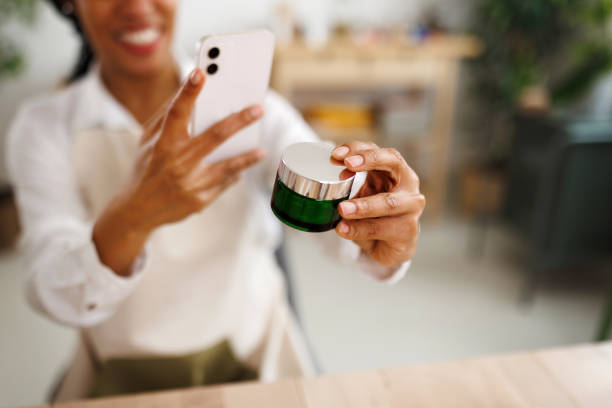
The world of high-end skincare is a realm of opulent promises, where jars of cream are adorned with price tags that rival fine jewelry. Among the most extravagant offerings are those infused with gold leaf or diamond dust, marketed as the ultimate elixirs for radiant, youthful skin. These products, often endorsed by celebrities and housed in sleek, heavy packaging, sell a dream of luxury translated into beauty. But beneath the shimmering surface, a critical question remains: do these creams with precious ingredients actually work, or are they merely a glittering facade?
From a dermatological and cosmetic science perspective, the benefits of gold and diamond dust in topical skincare are largely unsubstantiated. Let’s begin with gold. Proponents claim it has anti-inflammatory properties, can improve skin elasticity, and enhance luminosity. While colloidal gold has been studied in some medical contexts, the solid, flaky gold leaf suspended in creams is biologically inert. Its particles are far too large to penetrate the skin’s protective barrier. The primary effect is superficial: it sits on the skin, reflecting light to create an immediate, temporary glow—an effect easily achieved with far less expensive illuminating primers or highlighters. Any perceived “plumping” or “soothing” is more likely attributable to the cream’s base formula, which contains active humectants, emollients, and perhaps proven ingredients like peptides or ceramides, not the gold itself.
Diamond dust follows a similar trajectory of glamour over genuine efficacy. Marketed as the ultimate exfoliant, diamond powder is indeed a physically abrasive material. In theory, it can provide gentle manual exfoliation, sloughing away dead skin cells to reveal a smoother surface. However, this is not a unique property. Many effective and affordable exfoliants exist, from finely ground apricot kernels to synthetic microbeads or chemical exfoliants like alpha-hydroxy acids (AHAs), which are often more controlled and effective. The notion that diamonds impart “energy” or “clarity” to the skin is a metaphysical claim with no scientific basis. Like gold, the diamond particles remain on the skin’s surface, contributing more to the sensory and marketing experience than to any transformative biological process.
This leads to the core of the matter: the psychology of luxury. The true “active ingredient” in these creams is often the experience they sell. The weight of the jar, the visual spectacle of gold flakes, the knowledge that one is applying crushed diamonds—these elements trigger a powerful placebo effect and a sense of indulgent self-care. The ritual of using such a product can reduce stress, which in turn can have a positive, albeit indirect, impact on one’s complexion. Consumers are purchasing an emotion—a feeling of exclusivity, status, and pampering—that is inherently valuable to them, even if the precious additives themselves are functionally inert.
Furthermore, the exorbitant cost of these creams is rarely justified by their ingredient decks. A cream costing hundreds or thousands of dollars per ounce typically allocates a vast portion of its price to packaging, marketing, brand prestige, and the minuscule amount of precious material, not to a higher concentration of scientifically proven actives. A well-formulated drugstore cream with retinoids, vitamin C, hyaluronic acid, and broad-spectrum sunscreen will deliver more tangible, long-term results for skin health and anti-aging than a jar of gold-flecked moisturizer.
In conclusion, luxury creams containing gold or diamond dust work primarily as instruments of sensory delight and symbolic indulgence, not as superior skincare solutions. Their efficacy for actually changing skin biology is minimal to non-existent when compared to proven, penetration-friendly ingredients. The radiant glow they provide is a fleeting trick of the light, not a testament to cellular renewal. For those seeking genuine dermatological benefits, investment should be directed toward formulations backed by robust science and clinical data. However, for the consumer who understands they are buying a moment of glittering theater and unparalleled pampering, the value may be perfectly real—it just resides in the experience, not in the alchemy of precious stones and metals transforming the skin.