As of 2025, the quest for youth has undergone a profound and pragmatic shift. The final word on
anti-aging is no longer a singular miracle pill or a futuristic sci-fi concept; it is the definitive move from fragmented interventions to a holistic, integrated model grounded in proactive cellular health. The era of chasing quick fixes is being eclipsed by a data-informed, personalized approach that prioritizes longevity healthspan—the quality of years lived—over mere lifespan extension. The convergence of advanced science, accessible technology, and a deeper understanding of lifestyle’s genetic impact forms the cornerstone of this new paradigm.The most significant advancement lies in the democratization and refinement of longevity diagnostics. Comprehensive epigenetic clocks, which measure biological
age by analyzing chemical modifications to DNA, have become more accurate, affordable, and actionable. In 2025, these are not just vanity metrics but essential health tools. They integrate with routine blood panels, gut microbiome analyses, and wearable data streams—tracking sleep, heart rate variability, and metabolic markers—to create a dynamic dashboard of one’s rate of aging. This allows for highly personalized interventions; what accelerates aging in one individual may be inconsequential in another. The final word here is personalization:
anti-aging is no longer a one-size-fits-all endeavor but a tailored program based on one’s unique biological blueprint and real-time physiological feedback.This diagnostic precision fuels the second pillar: the rise of precision nutraceuticals and prescriptions. The blanket use of compounds like resveratrol or metformin is giving way to targeted senolytics and mTOR inhibitors, prescribed based on specific biomarker profiles. These pharmaceuticals are designed to clear senescent “zombie” cells that drive inflammation and to optimize fundamental cellular pathways like autophagy, the body’s recycling process. Critically, in 2025, these compounds are viewed as adjuncts, not replacements, for foundational lifestyle medicine. The narrative has solidified that no drug can fully compensate for poor sleep, chronic stress, a Standard American Diet, or sedentary behavior. The final word is synergy: cutting-edge pharmacology works best when combined with optimized nutrition, consistent movement, and psychological well-being.Indeed, the role of lifestyle has been elevated from generic advice to a non-negotiable, mechanistic component. Research continues to validate that diet, exercise, and stress management directly influence gene expression and epigenetic aging. The focus has shifted to actionable protocols: time-restricted eating to enhance metabolic flexibility, resistance training to preserve muscle and mitochondrial health, and mindfulness practices to mitigate the inflammatory effects of stress. In 2025,
anti-aging routines are as much about mental fitness and social connection as they are about skincare or supplements. The final word here is foundational: these lifestyle pillars are the bedrock upon which all other interventions are built, and their importance is now irrefutable in the scientific literature.Furthermore, the aesthetic dimension of
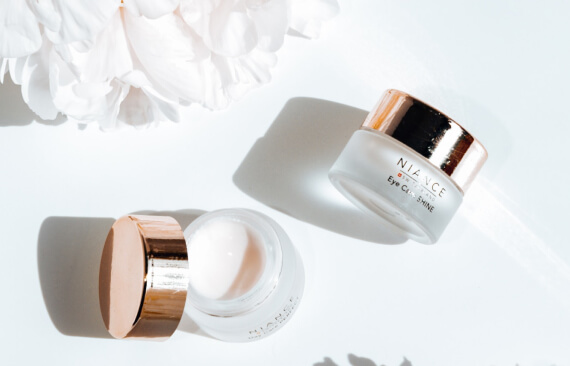
anti-aging has seamlessly merged with the systemic. Topical treatments now routinely include peptides that signal collagen production and skincare infused with stabilized antioxidants, but they are understood as the surface layer of a much deeper process. Technologies like LED therapy and microcurrent devices are popular for their non-invasive support of cellular energy and repair. The overarching philosophy is that truly healthy, resilient skin is an outward reflection of internal cellular vitality, not a mask applied from the outside.Therefore, the final word on
anti-aging in 2025 is integration. It is the sophisticated integration of deep personal data with targeted therapeutics, all underpinned by a non-negotiable commitment to lifestyle medicine. The goal is no longer to simply look younger but to be biologically younger—to function with vitality, resilience, and cognitive clarity for as long as possible. The promise is not immortality, but a revolution in healthspan, where one’s later decades are characterized by vigor and purpose rather than decline and disease. The future of
anti-aging has arrived, and it is profoundly holistic.