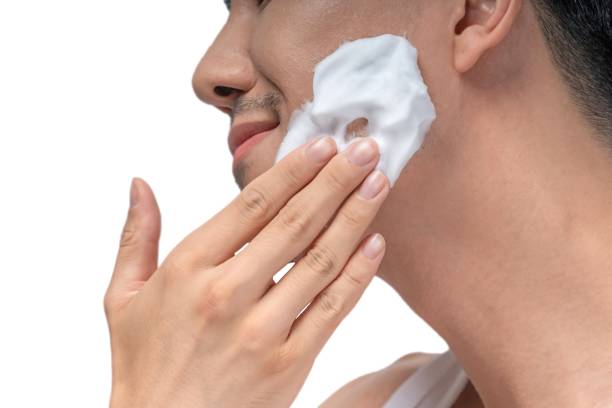
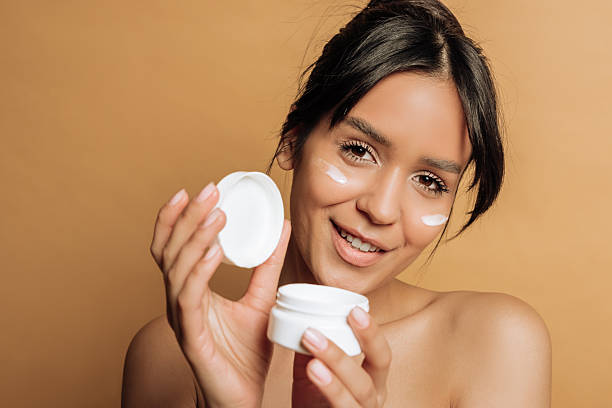
For those with oily skin, the quest for a clear, balanced complexion can feel like a constant battle against shine and congestion. In recent years, the Korean beauty-inspired practice of double cleansing has surged in popularity, touted as a transformative solution. But is this two-step ritual genuinely beneficial for oily skin types, or is it an unnecessary complication that could potentially exacerbate issues? A closer examination reveals that when performed correctly with suitable products, double cleansing can indeed be a highly advantageous practice for managing oily skin, primarily by addressing its root causes more effectively than a single cleanse alone.
The fundamental principle of double cleansing is simple: an initial cleanse with an oil-based or micellar water product, followed by a second cleanse with a water-based gel or foam cleanser. This method might seem counterintuitive to those who vigilantly avoid oil, but the chemistry behind it is sound. The first oil-based step is designed to dissolve oil-based impurities that a water-based cleanser cannot effectively tackle. This includes excess sebum (the skin’s natural oil), sunscreen, makeup, pollution particles, and the daily accumulation of environmental grime that adheres to the skin’s oily surface. By removing this layer first, the second cleanse can work more effectively on the skin itself, rather than struggling to penetrate a barrier of cosmetic and sebaceous residue.
For oily skin, this thorough removal of sebum and sunscreen is particularly crucial. When these substances are left on the skin, they can mix with dead skin cells and bacteria within the pores, leading to the formation of blackheads and inflammatory acne. Furthermore, the complete removal of pore-clogging agents allows subsequent skincare products, such as toners, serums, and moisturizers containing beneficial ingredients like salicylic acid or niacinamide, to penetrate more deeply and perform their intended functions. The second water-based cleanse then sweeps away any remaining residue, sweat, and dirt, often providing the familiar “clean” feeling that those with oily skin desire, without the tight, stripped sensation that can come from using harsh, drying cleansers alone.
However, the benefits are entirely contingent on product selection and technique. The cardinal rule for oily skin is to avoid heavy, comedogenic oils in the first cleansing step. Lightweight, non-comedogenic oils like grapeseed, safflower, or formulated cleansing balms are ideal, as they effectively bind to and lift impurities without adding a greasy film. The second cleanse should feature a gentle, pH-balanced foaming or gel cleanser, potentially one containing mild exfoliating agents like salicylic acid, but not a harsh, sulfate-based formula that can disrupt the skin’s moisture barrier. This is a critical point: overwashing or using stripping products can signal to the sebaceous glands to produce even more oil in a compensatory response, worsening the very problem one aims to solve.
In essence, double cleansing offers oily skin a more nuanced and complete form of hygiene. It moves beyond superficial cleaning to a deeper, more respectful dissolution of the substances that contribute to shine and breakouts. It promotes clearer pores, enhances the efficacy of an acne-fighting skincare routine, and can, over time, contribute to a more regulated sebum production by ensuring the skin is genuinely clean and balanced. While it requires a few extra minutes in one’s routine, the investment can yield a noticeable payoff in skin clarity and texture. Therefore, for individuals with oily and acne-prone skin, adopting a carefully curated double cleansing method is not merely a trend but a strategic and beneficial approach to achieving a healthier, less congested complexion.