Entering my 40s marked a subtle but profound turning point in my relationship with my skin. The anti-wrinkle strategy of my 30s, once a focused campaign against early lines, felt suddenly insufficient, like bringing a broom to a landslide. The biggest shift wasn’t merely adding a stronger cream or a new step; it was a fundamental change in philosophy. I moved from a tactic of correction to one of preservation and structural support, understanding that the wrinkles themselves were no longer the sole enemy, but rather symptoms of a deeper architectural shift.
In my 30s, my approach was predominantly surface-level and reactive. Fine lines would appear, and I would assail them with targeted serums, richer moisturizers, and my first forays into retinol. The goal was to smooth, to plump, to erase the evidence of a late night or a squint into the sun. It was a battle fought on the epidermis. My 40s, however, brought a different landscape. Dynamic lines from expressions had settled into static fixtures. There was a subtle loss of firmness, a softening of the jawline’s definition, a deepening of folds that no amount of surface hydration could fully lift. I realized I was witnessing not just skin changes, but changes in the very foundation: the gradual depletion of collagen, elastin, and hyaluronic acid, along with slower cellular turnover. The enemy was no longer at the gates; it was within the walls.
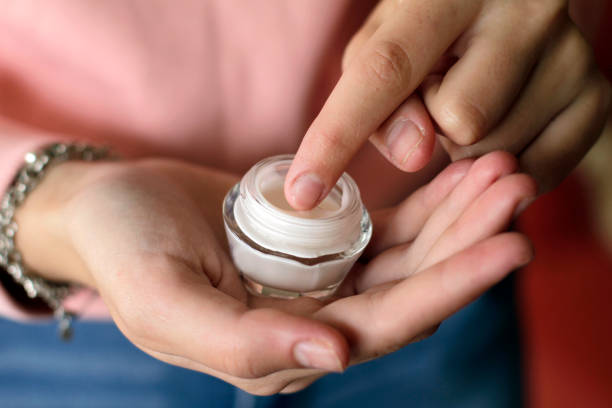
This recognition necessitated a strategic pivot. My routine became less about attacking lines and more about fortifying the skin’s infrastructure. Where once a peptide serum was an optional booster, it became a non-negotiable cornerstone, a daily signal to my skin to support its own collagen production. Retinol evolved from an occasional tool to a consistent, gentle ally, prioritized for its proven role in accelerating renewal and combating the slowing cellular turnover that contributes to dullness and thinness. Hydration transformed from a comfort goal to a structural one. I sought not just humectants to bind water, but emollients and ceramides to reinforce the skin barrier, which becomes more vulnerable with age and environmental assault. A compromised barrier accelerates every other sign of aging, making its health paramount.
Perhaps the most significant operational shift was the elevation of prevention to equal status with treatment. In my 30s, sunscreen was a duty, often applied hastily. Now, it is the sacred, non-negotiable bedrock of everything. Protecting the fragile collagen I’m working so hard to preserve from further photodamage isn’t just a step; it’s the entire premise. Furthermore, I began to see my skin not as an isolated organ, but as a reflection of my overall health. My strategy expanded beyond the bathroom shelf to include intentional lifestyle supports. Consistent sleep, managing chronic stress (a notorious collagen degrader), proper nutrition rich in antioxidants, and adequate water intake became recognized as critical, active components of my anti-wrinkle plan. They support the biological processes that creams can only encourage.
Finally, there was a shift in expectation and acceptance. The goal is no longer the pursuit of perfect, line-free skin—a quest that feels increasingly futile and misdirected. Instead, the strategy is about cultivating healthy, resilient, and luminous skin that looks its best for its age. It embraces consistency over quick fixes, understanding that results are measured in months and years, not days. This decade has taught me that the most effective anti-wrinkle strategy is a holistic, patient, and compassionate one. It’s about building up from within, protecting fiercely from without, and gracefully redefining the very notion of what it means to win the battle against time. The lines may be here to stay, but their narrative is no longer one of decline, but of a life lived—and a structure well-supported.