Your skin’s outer layer works like a brick wall. The “bricks” are skin cells, and the “mortar” is a mix of oils and ceramides that keep everything sealed tight. When that mortar gets thin—thanks to age, cold weather, or too many hot showers—moisture escapes and dryness moves in. That’s where squalane comes in. Squalane is a lightweight oil that mimics the moisturizing oil your skin naturally produces. It’s a practical fix for the tight, flaky feeling of dry, aging skin.
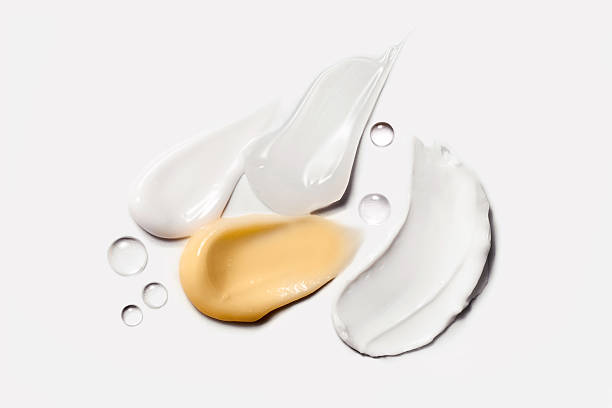
Here’s what makes squalane different from heavy oils. Your body makes a version called squalene when you’re young. After your twenties, production drops. By your forties, you’re working with a fraction of what you had. That decline is one reason aging skin feels rougher and looks duller. Squalane is the stable, shelf-friendly version, usually derived from olives, sugarcane, or rice bran. It’s refined to remove unstable parts, so it stays fresh. The result is a clear, odorless oil that sinks in fast and doesn’t sit on top of your skin like a greasy film.
The first big benefit for dry, aging skin is moisture retention. Think of squalane as a raincoat for your face. It forms a breathable seal that slows down water loss, so the moisture from your serum or moisturizer stays where you put it. If you’ve ever layered on a rich cream only to feel dry again two hours later, you know the frustration. Squalane helps fix that by acting as a finishing layer. You can mix a drop or two into your moisturizer, or press it on after your cream as the last step at night. It’s especially useful in winter, when indoor heating sucks the humidity out of the air.
The second benefit is barrier support. Aging skin doesn’t just lose oil production; it also loses the ability to repair itself quickly. The barrier gets “leaky,” which means irritants can get in and moisture can get out. Squalane supports that barrier by filling in the gaps between skin cells. It’s not a ceramide—ceramides are another key part of the mortar—but squalane works alongside them to keep the wall sturdy. If your skin stings when you apply certain products, or feels tight after washing, your barrier needs help. Squalane is gentle enough to use twice a day, even on sensitive skin, and it won’t clog pores the way heavier oils like coconut or mineral oil can. That’s a big deal for women who deal with both dryness and the occasional breakout—yes, you can have both.
Then there’s the texture issue. Dry, aging skin often looks dull and feels rough, especially on the cheeks and around the mouth. Squalane doesn’t just sit there; it softens the top layer of skin so light reflects more evenly. You won’t get a shiny, greasy look—just a quiet, healthy glow. Many women notice that fine lines look less pronounced after a few weeks of consistent use, not because squalane is a wrinkle eraser, but because well-hydrated skin plumps up and smooths out. It’s the same reason a dry sponge looks cracked and a wet one looks smooth. Squalane helps your skin hold onto that “wet sponge” quality without feeling heavy.
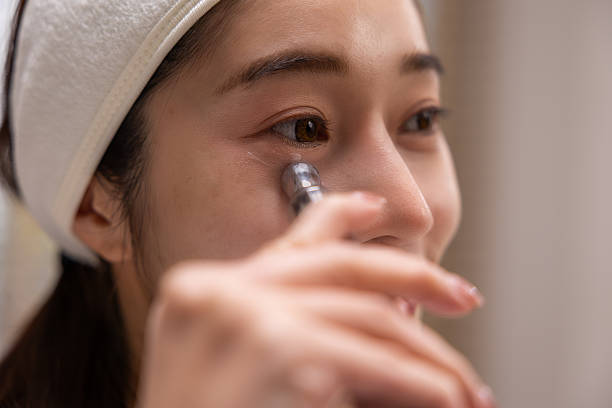
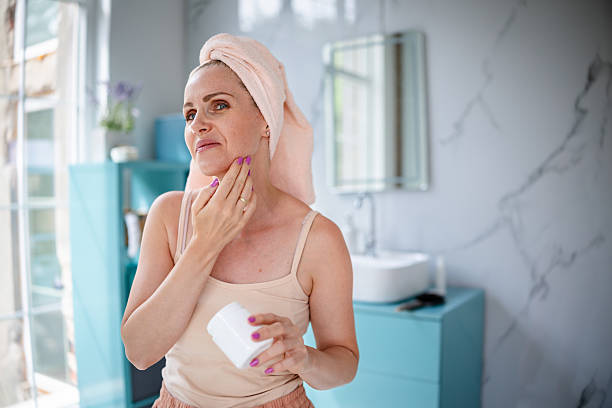
Using squalane is very simple. Start with clean, slightly damp skin. Apply your water-based serum or essence first, then your moisturizer, then a few drops of squalane pressed between your palms and patted over your face and neck. You can also mix a drop into your foundation if your skin feels tight by lunchtime. A little goes a long way—two or three drops is plenty for your whole face. Look for a product that lists squalane near the top of the ingredient list, ideally with no added fragrance or alcohol. And don’t be afraid to use it on your hands, cuticles, or the ends of your hair if they’re dry too.
The bottom line is that squalane is one of the few ingredients that works hard without making a fuss. It’s not a miracle cure, and it won’t replace a good sunscreen or a consistent routine. But for dry, aging skin that needs moisture retention and barrier support, it’s a reliable teammate. Your skin already knew how to make it once. Giving it back—every morning and night—is a simple way to keep that brick wall sealed and comfortable.