The delicate skin surrounding the mouth, known as the perioral area, presents a unique skincare conundrum. On one hand, it is a zone prone to visible texture, fine lines, and occasional breakouts that might seem to call for exfoliation. On the other, it is an area of exceptionally thin, sensitive skin with a high concentration of muscles used for talking and eating, making it vulnerable to irritation. The question of whether to use exfoliants here is not a simple yes or no but requires a nuanced understanding of skin biology, exfoliant types, and individual skin tolerance.Exfoliation, the process of removing dead skin cells from the surface, can indeed offer benefits for the perioral area when done with extreme care. Gentle exfoliation can help smooth the texture that sometimes accompanies this region, potentially allowing for a more even application of makeup. It may also help to prevent the clogging of pores that can lead to breakouts along the chin and jawline. Furthermore, by clearing away dead cells, exfoliation can enhance the penetration and efficacy of subsequent skincare products, such as moisturizers or targeted treatments for fine lines. For those concerned with the early signs of aging, certain chemical exfoliants, like lactic acid, can promote a brighter, more refined complexion.However, the risks of improper exfoliation around the
mouth are significant and often outweigh the potential benefits for many individuals. This skin is fundamentally more fragile than that on the
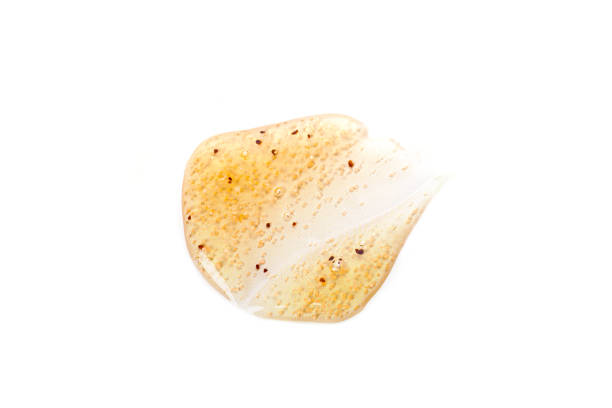
cheeks or forehead. Aggressive physical scrubs or overly potent chemical formulas can easily compromise the skin barrier, leading to redness, dryness, flaking, and a sensation of tightness. Perhaps the most common and distressing result is perioral dermatitis, a condition characterized by red, inflamed bumps and scaling that can be triggered or worsened by harsh skincare products, including exfoliants. Once this condition appears, it often requires a complete cessation of active products and medical intervention to heal. Additionally, over-exfoliation can lead to increased sensitivity, making the skin react negatively to products it once tolerated, and can even exacerbate the appearance of fine lines by causing chronic dehydration.The key to navigating this decision lies in selecting the correct type of exfoliant and employing a conservative, infrequent approach. Physical exfoliants with coarse particles should be strictly avoided in this area. Instead, if one chooses to exfoliate, gentle chemical exfoliants are the safer path. Opt for mild formulations with lower concentrations of acids like mandelic, lactic, or polyhydroxy acids (PHAs), which offer surface-level smoothing with less penetration and irritation. It is imperative to avoid applying exfoliants directly on the vermilion border—the precise line where the lip meets the facial skin—and to keep all products outside this margin. Frequency is critical; incorporating an exfoliant around the
mouth no more than once per week, or even every other week, is a prudent starting point. Always follow with a rich, barrier-supporting moisturizer to counteract any drying effects.Ultimately, the decision should be guided by your skin’s individual behavior and needs. If you have inherently resilient, non-sensitive skin and observe issues like persistent texture or clogged pores specifically in this area, cautious, minimal exfoliation may be beneficial. Conversely, if you have sensitive, reactive, or eczema-prone skin, or if you are already managing conditions like perioral dermatitis or rosacea, it is wise to forgo exfoliating this zone entirely and focus on gentle cleansing and intensive moisturizing. Listening to your skin’s feedback is paramount; any sign of stinging, redness, or peeling is a clear command to stop. In the realm of skincare, the area around the
mouth often thrives not on aggressive intervention but on consistent, gentle nourishment and protection.