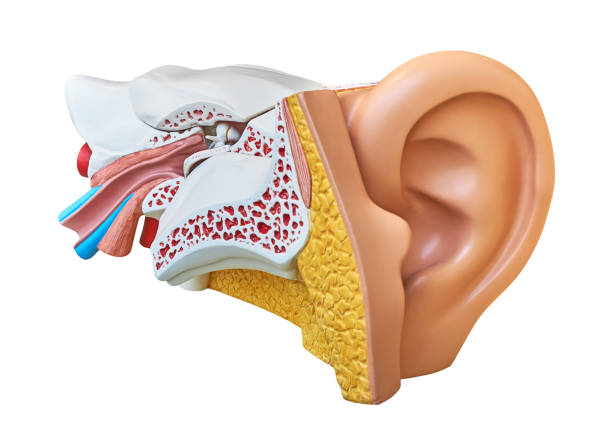
When we consider our daily skincare rituals, our focus typically lands on the face, neck, and hands. The ears, however, are often relegated to an afterthought, merely cleaned in the shower and forgotten. This raises a pertinent question: should we be moisturizing our ears? The answer, for most people, is a resounding yes. Just like the skin on the rest of your body, the skin on your
ears requires care and hydration to remain healthy, functional, and comfortable.The skin covering the outer ear, or pinna, is surprisingly delicate. It is thin, has little underlying fat for cushioning, and is constantly exposed to environmental aggressors such as sun, wind, and cold. Without adequate moisture, this skin can become dry, flaky, and itchy. In severe cases, excessive dryness can lead to cracking, which is not only painful but can also provide an entry point for bacteria, potentially leading to infections. Furthermore, the area behind the
ears contains folds of skin that can trap sweat and sebum. When this area is neglected, it can become a hotspot for dryness or, conversely, a damp environment conducive to irritation and fungal conditions. Applying a small amount of moisturizer here can maintain the skin’s barrier integrity, preventing these uncomfortable issues.It is also crucial to consider the effects of sun exposure. The
ears are a common site for sunburns and are frequently overlooked during sunscreen application. Repeated sun damage on the
ears can lead to actinic keratosis—precancerous lesions—and skin cancers, including melanoma. Therefore, incorporating your
ears into your sun protection routine is non-negotiable. Applying a moisturizer with a broad-spectrum SPF of 30 or higher to the
ears every morning is a simple, effective habit that safeguards this vulnerable area. This dual action of hydrating and protecting addresses two major needs simultaneously, making it a highly efficient step in personal care.However, the practice of moisturizing requires a critical caveat: never apply lotion inside the ear canal. The ear canal is a self-cleaning and self-regulating system, lined with specialized skin and protected by earwax, or cerumen. Introducing moisturizers, oils, or lotions into the canal can disrupt this delicate ecosystem. It can trap debris, lead to wax impaction, and create a moist, warm environment that promotes bacterial or fungal growth, potentially causing swimmer’s ear or other infections. The focus of moisturizing should be exclusively on the external, visible parts of the ear: the helix, lobe, antihelix, and the skin behind the ear.Choosing the right product is straightforward. For most individuals, the same gentle, fragrance-free moisturizer used on the face or body is perfectly suitable for the ears. Those with sensitive skin or conditions like eczema or psoriasis should opt for hypoallergenic, dermatologist-recommended formulas to avoid triggering flare-ups. The application process is simple: after cleansing your face or showering, take a pea-sized amount of moisturizer and gently massage it onto the entire outer ear, paying special attention to often-dry areas like the lobes and the back of the ear. Follow this with sunscreen during the day.Ultimately, moisturizing your
ears is a minor act that yields significant benefits for overall skin health. It is a logical extension of the principle that all skin deserves care and protection. This small, often-overlooked step can prevent discomfort, protect against long-term sun damage, and ensure that your
ears are not just heard, but also seen as a healthy part of you. In the grand symphony of personal care, do not let your
ears be the silent section; give them the modest hydration they need to stay healthy for years to come.