You spend roughly a third of your life in bed. If you sleep on your side or stomach, your face is pressed into a pillow for hours. The pillowcase tugs at your skin, folds it, and leaves creases behind. When you are young, those creases fade within an hour of waking. As your skin loses some of its natural bounce, they linger longer. This is not about one bad night. It is about repetition. The same spot, the same angle, the same pressure, night after night. That is how sleep lines slowly become more noticeable.
Back sleeping is the kindest position for your face. It keeps pressure off your cheeks, chin, and forehead. But if you have slept on your side your whole life, switching cold turkey is not realistic. Start with your pillowcase. Cotton can create friction, and friction is the enemy of smooth skin. Silk is smooth and gentle, but it can be pricey. Satin is more affordable and gives you much of the same glide. Oils, skincare, and sweat build up quickly, and a clean pillowcase is one of the simplest upgrades you can make.
Pillow height matters more than most women realize. If your pillow is too high, your face gets squished, and your neck bends awkwardly. If it is too flat, you may roll onto your stomach or side without noticing. Side sleepers need enough support to keep the head aligned with the spine, not propped up. Back sleepers do best with a thinner pillow. Stomach sleeping is the hardest habit to fix, because your face is turned and pressed into the pillow all night. If you must start there, use a very soft pillow and try to turn your face less. Then work on training yourself to shift.
Training yourself to sleep on your back takes patience. It will feel unnatural at first. Try placing a body pillow along one side of your body, or two pillows in a V shape, so rolling over feels blocked. Put a pillow under your knees to take pressure off your lower back. If you wake up on your side, roll back and go to sleep again. Do not make it a drama. Even a few hours on your back each night is better than none. Over a few weeks, your body can learn a new default.
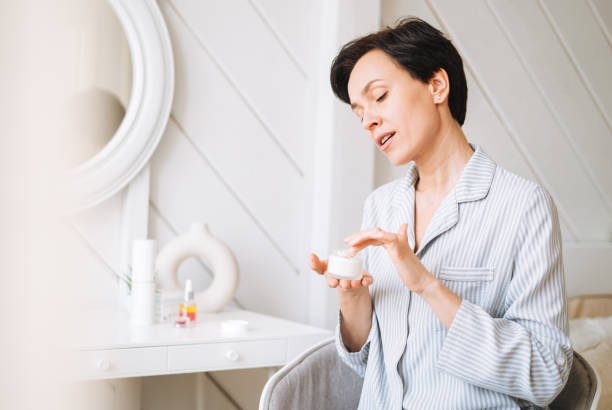
Your evening routine also shapes what your skin does overnight. If you pile on heavy creams and then press your face into a pillow, you are asking for clogged pores and unnecessary tugging. Cleanse, apply your treatment steps, and moisturize. Give everything a few minutes to settle. Try not to sleep in makeup. Drink most of your water earlier in the day so you are not waking up at two in the morning. Keep the room cool.
Quality sleep is the part no pillowcase can replace. Your skin does its best work when you are actually resting, not tossing, scrolling, or waking up every hour. A consistent bedtime helps more than a perfect one-night sleep. Dim the lights in the evening. Keep your room dark, cool, and quiet. If your partner or pet moves around a lot, use separate blankets or gently train the pet off your pillow. These changes may sound small, but they protect the hours when your skin is supposed to recover.
When you wake up with creases, do not panic. Splash cool water on your face, apply moisturizer, and give it time. If a line stays visible longer than it used to, treat that as useful information. You can alternate sides if you are a side sleeper, which spreads the pressure around instead of concentrating it on one cheek. You can also try sleeping slightly more on your back, even if you do not stay there all night. The goal is not perfection. It is progress you can live with.
Think of sleep as the skincare step you are already doing. Make it work for you. A smoother pillowcase, a smarter pillow, a cooler room, and a little patience can change how your face looks in the morning. Your future skin is built night by night, and you are in charge of the setup.