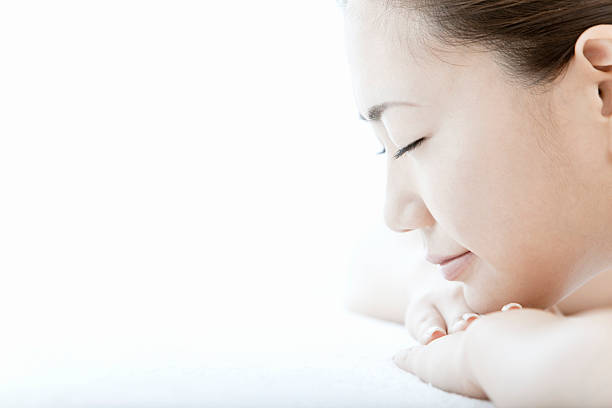
You’ve spent good money on serums, SPF, and a fancy night cream that promises to work while you snooze. But here’s the thing: your skin can’t do its overnight job if you’re sleeping in a room that feels like a sauna. The temperature of your bedroom isn’t just about comfort — it’s the hidden switch that turns on your skin’s natural repair mode. And getting it right is easier than remembering to take off your mascara.
When you crawl into bed, your core body temperature is supposed to drop. That drop is a signal to your brain that it’s time for deep, restorative sleep — the kind that leaves you looking refreshed, not haggard. If your room is too warm, that signal gets delayed. You toss, you turn, you kick a leg out from under the duvet, and your sleep stays shallow. Shallow sleep means your skin misses out on the good stuff: the spike in human growth hormone that triggers collagen production, the slowdown of cortisol (that stress hormone that breaks down elastic fibers), and the extra blood flow that carries oxygen to your face. In short, a warm bedroom is a wrinkle-friendly bedroom.
Keep your thermostat between 65 and 68 degrees Fahrenheit. That’s not a trendy wellness rule — it’s just biology. Think of it the way you think of skin prep before a big event. You wouldn’t apply your moisturizer on dirty, towel-dried skin, right? Similarly, your body needs a cool surface to start its nightly reset. If you share a bed with someone who runs hot, don’t start a climate war. Just layer your bedding. Use a light cotton sheet for yourself, keep a heavier blanket on their side, and invest in a cool-touch pillow that doesn’t trap heat against your face. Your cheeks will thank you Monday morning when they’re not puffy and red.
Speaking of puffy — have you ever woken up with a face that looks like you drained a salt shaker before bed? That’s inflammation. A hot sleeping environment worsens it because your blood vessels dilate and fluids pool in your facial tissues. A cool room helps constrict those vessels, reducing morning puffiness and that creased, slept-in look. You know those lines that are imprinted on your cheek when you wake up from a deep sleep on a warm pillow? They’re called sleep lines. Over time, if you sleep on your side on a warm, soft pillow that pushes your skin into folds, those temporary creases can become permanent wrinkles. A cooler fabric like silk or satin lets your skin slide instead of crumple, but the temperature matters too. If you’re sweating, your face sticks to the pillow, and that’s how creases form.
Here’s another sneaky benefit of a cooler bedroom: less nighttime sweating means less moisture loss. Hot, sweaty skin doesn’t hold hydration well. You might say your skin feels clammy, but actually it’s losing water through evaporation. That leaves your skin barrier looking dull and dry by morning. A cool environment keeps your skin’s own moisture where it belongs — locked in, so your night cream can do its thing. Think of that cooling temperature as a vacuum seal for your skincare.
Now, you don’t need to feel like you’re camping in the Arctic. If your feet get cold, wear socks (they help with the core cooling anyway). If you’re perimenopausal or just prone to night sweats, keep a small fan on your nightstand and point it low toward your chest, not your face — dry air isn’t great for skin, but you can balance it with a humidifier set around 50 percent. The goal is a comfortable cool, not a cold blast that keeps you awake shivering.
One more thing: cool rooms help you fall asleep faster and stay in that deep sleep phase longer. Deep sleep is when your skin cells double their turnover rate. You know that “I just woke up and my face looks amazing” feeling after a great night’s sleep? That’s your skin actually rebuilding its barrier, making new lipids, and flushing out inflammatory junk. But if you wake up in a sweat at 3 a.m., that phase is cut short. You drag yourself to the bathroom, look in the mirror, and feel like you aged a year overnight. That’s not dramatic — that’s reality.
So before you add another pricey cream to your cart, check your thermostat. Lower it by a few degrees, swap your polyester sheets for breathable cotton or bamboo, and give your skin the environment it needs to repair while you’re unconscious. You’ll wake up with a smoother, plumper, less creased face — and you’ll have saved money on overpriced sleep masks that don’t do anything your mattress temperature can’t.
Restorative rest isn’t about having an elaborate nighttime ritual. It’s about giving your body the cue to start the engine. A cool room is that cue. So turn down the heat, pull up the covers, and let your skin do what it already knows how to do — just a little smarter.