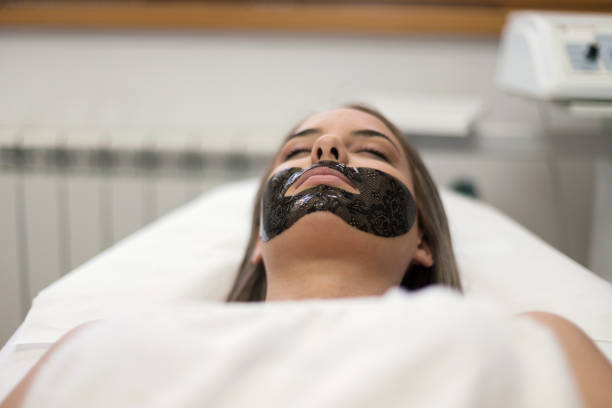
You have probably heard the term “beauty sleep” a million times. It sounds like something your grandmother would say over a cup of tea. But here is the truth: getting real, solid sleep is one of the most powerful things you can do to stop wrinkles before they even show up. It is not magic. It is biology doing its job while you are off in dreamland. And the best part? It costs nothing but a comfy pillow and a good routine.
Think of your skin like a busy office. During the day, it is dealing with stress, sun, pollution, and makeup. It is basically fighting a nonstop battle. By the time you lay your head down, your skin finally gets a chance to clean up the mess. This is when your body kicks into repair mode. Blood flow to your skin increases, which delivers oxygen and nutrients right where they are needed. Your cells start fixing damage from the day, like tiny mechanics patching up dents and scratches. This is not something you can fake with a fancy cream. It only happens when you are actually asleep and hitting those deep, restful stages.
When you cut your sleep short, your body pumps out more of a stress hormone called cortisol. Cortisol is not your friend when it comes to a smooth face. High levels of cortisol can break down the stuff that keeps your skin firm and springy. That stuff is collagen, and once it is gone, it is very hard to get back. Lack of sleep also messes with your skin’s ability to hold onto water. Dehydrated skin looks dull. It shows every tiny line much more clearly. You have probably woken up after a bad night and noticed those little creases around your eyes and mouth that were not there the night before. That is what happens when your skin does not get its overnight repair time.
Here is something you might not think about. When you sleep on your side or your stomach, you are literally pressing your face into a pillow for hours. This creates sleep lines. At first, these lines smooth out when you wake up. But over years and years, they can become permanent wrinkles. This is a real thing called sleep creases. If you are prone to sleeping on one side, you might notice more lines on that cheek or around your mouth. The fix is pretty simple. Sleeping on your back is the best position for your face. If you are a side sleeper and cannot change, a silk or satin pillowcase makes a huge difference. Cotton fabric can grab and tug at your skin, creating more friction. Silk lets your skin slide instead of bunching up.
The temperature of your room matters too. Sleeping in a cool room helps your body regulate its own temperature better. Overheating at night can speed up water loss from your skin. Keep your bedroom on the cooler side, around 65 to 68 degrees. A cool, dark, and quiet room sends a clear signal to your brain that it is time to do its repair work. Blackout curtains are a solid investment if you have streetlights or early morning sun creeping in.
Your before-bed routine matters just as much as the sleep itself. Washing off the day is not just about feeling clean. It is removing the layer of dirt, oil, and pollution that has settled on your face. If that stuff sits there all night, it can irritate your skin and clog things up. A gentle cleanse and a simple moisturizer are all you really need. This is not the time for harsh scrubs or strong treatments. You want to set the stage for repair, not stress your skin out right before it has to work.
Consistency is the secret ingredient. Your body loves a pattern. Going to bed and waking up around the same time each day helps your internal clock run smoothly. Erratic sleep schedules confuse your body and lead to that sluggish, puffy feeling in the morning. It takes time for these habits to show up on your face. You will not see a difference in one night. But stick with it for a few weeks, and your skin will start to look more rested, more even, and less lined. Prevention is all about what you do before the damage sets in. Sleep is free, it is easy, and it works better than anything you can buy in a jar.