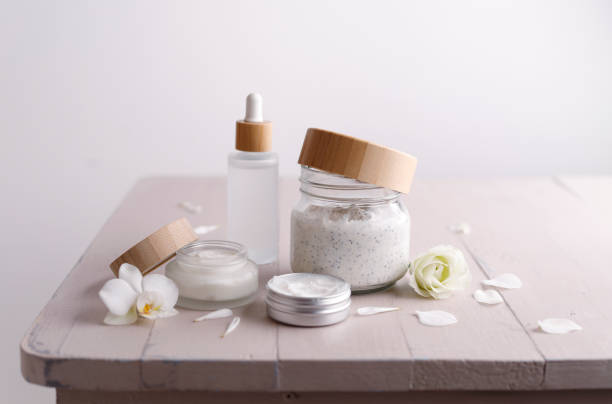
You have probably heard about hyaluronic acid by now. It is in almost every serum, moisturizer, and face mask on the shelf. And for good reason. This ingredient is like a big drink of water for your skin. It helps plump up fine lines and gives your face that bouncy, healthy look. But here is the thing. You can buy the most expensive hyaluronic acid serum in the world, and if you apply it the wrong way, it will not do you much good. So let us talk about how to actually use it so you get your money’s worth.
First, a quick and simple explanation. Hyaluronic acid is a substance your body already makes. Think of it as a sponge that holds onto water. It can hold hundreds of times its weight in moisture. That is why it is so good at making your skin look fuller and softer. When you put it on your face, it pulls moisture from the air and from deeper layers of your skin up to the surface. That is how it helps reduce the look of small wrinkles and creases.
But here is the catch. That sponge needs water to grab onto. If you apply hyaluronic acid to bone-dry skin, it will actually pull moisture out of your skin instead of bringing it in. That can leave you feeling tighter and more wrinkled than before. That is the opposite of what you want.
So the first rule is to always apply hyaluronic acid to damp skin. Right after you wash your face, do not dry it completely. Leave a little water on your skin. Or you can spritz your face with a simple facial mist or even plain water. Then put your hyaluronic acid serum on top. That water on your skin gives the ingredient something to grab onto right away. It locks that moisture in.
Second rule is to follow up with a moisturizer. Hyaluronic acid is great at pulling water in, but it is not great at keeping it there. It needs a seal. That is where your regular face cream comes in. After you let the serum sink in for a minute or two, apply a moisturizer. It does not have to be anything fancy. A basic cream that has ingredients like ceramides or even just good old glycerin will work. The moisturizer acts like a lid on a pot. It keeps the water from evaporating back into the air. Without that lid, the hyaluronic acid can actually dry out your skin over time, especially if you live in a dry climate or run the heat in winter.
Speaking of climate, this matters more than most people realize. Hyaluronic acid loves humidity. If you live in a place that is humid, it will pull moisture from the air and your skin will stay hydrated all day. But if you live in a dry area, there is not enough moisture in the air for the ingredient to grab. So it will pull water from deep inside your skin instead. That can lead to tightness and even more fine lines. If you are in a dry climate, you have to be extra careful about the two rules above. Damp skin first, then a thick moisturizer. You might even want to skip hyaluronic acid on days when the air is very dry and use a different hydrating ingredient like glycerin or squalane instead.
Another tip is to layer your products in the right order. You want the thinnest, most watery products first and the thickest, oiliest ones last. So after cleansing, you put on a toner or mist. Then your hyaluronic acid serum. Then maybe a lighter lotion. Then a heavier cream if you need it. This way each layer sinks in properly. If you put a heavy cream on first, the serum will just sit on top and not absorb.
Some people think more is better with hyaluronic acid. That is not true. You do not need to drown your face in it. A few drops of a good serum are plenty. Using too much can actually make your skin feel sticky or even cause pilling when you put makeup on top. Stick to the recommended amount on the bottle. Usually two to three drops for your whole face and neck.
If you are new to hyaluronic acid, start slow. Use it once a day, maybe in the morning. If your skin feels fine after a week, you can add it at night too. Some people with very sensitive skin can feel a slight tingle, but that usually goes away. If it stings or turns red, you might have a reaction to another ingredient in the product, not the hyaluronic acid itself. Try a different brand with fewer ingredients.
One more thing. Hyaluronic acid is not a miracle worker. It will not erase deep wrinkles or sagging skin. What it does is give you that plump, dewy look that makes fine lines less noticeable. For the price, it is one of the best hydrators you can add to your routine. Just remember the golden rule. Put it on damp skin, and always lock it in with a moisturizer. Do that, and your skin will thank you with a smoother, healthier, younger-looking glow.