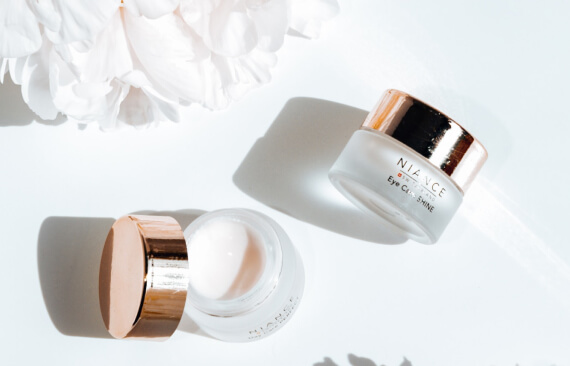
The invigorating feeling of a brisk outdoor adventure can sometimes come with an uncomfortable price: windburn. Often mistaken for sunburn, windburn is a distinct condition caused by the wind stripping away the skin’s protective outer layer of natural oils, leading to dryness, redness, irritation, and a sensation of tightness or burning. Protecting your skin from this environmental assault requires a proactive and layered approach focused on barrier reinforcement, moisture retention, and smart behavioral adjustments.The cornerstone of windburn
prevention is the creation of a robust physical and moisturizing barrier. Before heading out into windy conditions, applying a rich, emollient moisturizer is non-negotiable. Look for products containing ingredients like ceramides, hyaluronic acid, shea butter, or dimethicone, which help to fortify the skin’s lipid barrier and lock in hydration. For the face, a thicker cream is preferable to a light lotion. It is crucial to apply moisturizer on clean skin at least thirty minutes before exposure, allowing it to fully absorb and create an effective shield. Furthermore, do not neglect the lips, which are exceptionally vulnerable; a wax-based lip balm with soothing ingredients like lanolin or beeswax should be applied liberally and frequently.While the wind itself is the primary culprit, sun exposure often accompanies windy weather, and the two can work in tandem to cause significant damage. Therefore, integrating sun protection into your defense strategy is essential. A broad-spectrum sunscreen with an SPF of 30 or higher should be the final step in your skincare routine before facing the elements. For optimal protection, select a moisturizer that already contains sunscreen, or layer a dedicated sunscreen product over your moisturizer. This dual approach ensures you are guarded against both ultraviolet rays and the dehydrating effects of the wind. Reapplication is key, as wind can physically wear away sunscreen just as it does the skin’s natural oils, so carry your sunscreen and reapply every two hours during prolonged exposure.Beyond topical products, the most direct form of protection is physical covering. Creating a barrier between your skin and the wind is remarkably effective. Wearing a scarf, a
neck gaiter, or a hat with a brim can protect the sensitive skin on your face, ears, and neck. Sunglasses or goggles will shield the delicate eye area, which is particularly prone to dryness and irritation. Choose fabrics that are soft and non-abrasive, such as silk or high-quality cotton, to avoid further chafing against already sensitive skin. On extremely windy days, consider using a wind-resistant jacket with a high collar that you can raise for additional coverage.Your actions after exposure are just as important as your preparatory measures. Upon coming indoors, gently cleanse your skin with a lukewarm water rinse or a mild, fragrance-free cleanser to remove any environmental debris without further stripping its oils. Avoid hot water and harsh scrubbing, which can exacerbate irritation. Follow this immediately with another application of your rich moisturizer to replenish lost hydration and support the skin’s recovery process. If your skin is already showing signs of windburn, treat it with the same care you would a sunburn. Aloe vera gel can provide a cooling sensation, and products containing colloidal oatmeal or calendula are excellent for calming inflammation. Most importantly, allow your skin time to heal by avoiding further wind exposure until the redness and sensitivity subside.Ultimately, protecting your skin from windburn is an exercise in mindful preparation and consistent care. By diligently moisturizing, faithfully applying sunscreen, utilizing physical barriers, and adopting a gentle recovery routine, you can confidently enjoy the great outdoors without surrendering your skin’s comfort and health to the whims of the wind. This holistic approach ensures that your skin remains resilient, allowing you to embrace the fresh air with nothing but a healthy glow.