The quest for radiant, smooth skin often leads us to the crucial step of exfoliation. Yet, many approach this practice with a one-size-fits-all mentality, applying the same techniques and products regardless of their environment. The truth is that our skin is a dynamic organ, constantly interacting with and reacting to the world around it. Consequently, the question of whether to exfoliate differently in various climates is not only valid but essential for maintaining a healthy skin barrier. The answer is a definitive yes; adapting your exfoliation habits to your climate is a cornerstone of intelligent skincare.
In arid, desert-like climates or during cold winter months, the air holds minimal moisture, which can swiftly dehydrate the skin. This environment often leads to a compromised skin barrier, resulting in feelings of tightness, visible flakiness, and increased sensitivity. Here, aggressive or frequent exfoliation can strip away the skin’s already fragile lipid layer, exacerbating dryness and potentially causing micro-tears that lead to irritation and inflammation. The adaptive strategy in such conditions calls for a gentle, nurturing approach. Chemical exfoliants like lactic acid or polyhydroxy acids (PHAs) are preferable, as they offer hydrating properties while delicately dissolving dead cells. Physical exfoliation should be used sparingly, if at all, with the softest tools and minimal pressure. The frequency should also be reduced, perhaps to once a week, always followed immediately by a rich, reparative moisturizer to seal in hydration and support barrier repair.
Conversely, humid tropical or summer climates present a different set of challenges. High heat and moisture can lead to increased sebum production, a proliferation of sweat and bacteria, and a feeling of congestion on the skin’s surface. In this setting, the skin may benefit from more frequent exfoliation to prevent clogged pores, blackheads, and a dull, sluggish complexion. Chemical exfoliants like salicylic acid, a beta-hydroxy acid oil-soluble, are particularly effective as they can penetrate into the pores to clear out excess oil and debris. Glycolic acid can also help slough off the sticky layer of dead cells that may feel more prevalent. While the frequency can be increased to two or three times a week for oily skin types, vigilance remains key. Over-exfoliation in humidity is still a risk, potentially leading to an overproduction of oil as the skin tries to compensate for lost moisture, or worse, to compromised skin that is vulnerable to sun damage and hyperpigmentation.
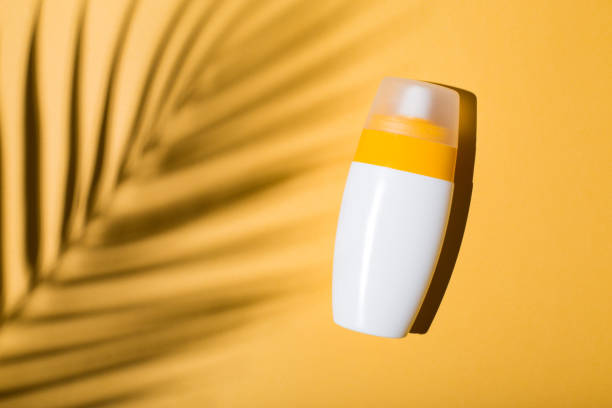
Furthermore, climate adaptation extends beyond mere product selection. It encompasses a holistic view of your skincare ritual. In sunny climates, regardless of humidity, exfoliation increases photosensitivity. This makes daily, broad-spectrum sunscreen non-negotiable; failing to apply it diligently can reverse any benefits and accelerate photoaging. In windy, cold climates, exfoliation should be paired with even more robust protective measures, like barrier creams before facing the elements. It is also wise to listen to your skin’s daily cues—a sudden cold snap or a heatwave may necessitate an immediate, temporary adjustment to your routine.
Ultimately, viewing exfoliation through the lens of climate is an exercise in working with your environment, not against it. The skin’s needs are not static, and a routine that remains rigid will inevitably falter as geography and seasons change. By observing how your skin responds to different atmospheric conditions—be it the parched air of a heated room or the oppressive moisture of a coastal summer—you can tailor your approach. This mindful adaptation ensures that exfoliation remains a beneficial act of renewal rather than a source of stress for your skin. The goal is always to support the skin’s natural balance, and that balance is profoundly influenced by the very air we live in.