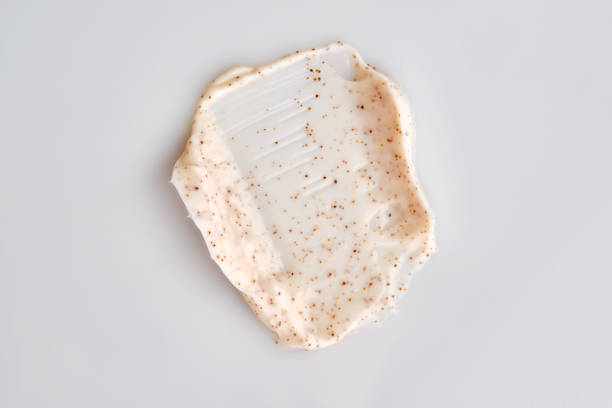
The quest for smooth, radiant skin often leads us to exfoliation, the process of removing dead cells from the skin’s surface. However, for those already battling dryness, this practice can feel like a double-edged sword. While effective exfoliation can help product absorption and reveal a fresher complexion, an overly aggressive approach can strip the skin’s natural oils, compromise its barrier, and lead to increased flakiness, tightness, and irritation. The key lies not in avoiding exfoliation altogether, but in adopting a mindful, gentle strategy that supports the skin’s health rather than depleting it.First and foremost, selecting the appropriate exfoliant is a critical step. Harsh physical scrubs containing large, jagged particles like crushed walnut shells or apricot pits can create micro-tears in dry, delicate skin, exacerbating moisture loss. Instead, one should opt for gentler physical alternatives, such as a soft washcloth used with light pressure, a konjac sponge, or formulas with perfectly spherical jojoba beads. Yet, for
dry skin, chemical exfoliants are often the superior choice. These work by dissolving the bonds between dead skin cells rather than manually abrading them. Ingredients like lactic acid and mandelic acid, which are alpha hydroxy acids (AHAs) derived from milk and almonds respectively, are particularly beneficial. They not only effectively slough away dead cells but also possess humectant properties, meaning they attract and bind water to the skin, thereby enhancing hydration during the exfoliation process.The frequency of exfoliation is equally as important as the method. For skin prone to dryness, less is unequivocally more. A robust daily exfoliation routine is a recipe for a damaged moisture barrier. Instead, incorporating exfoliation just once or, at most, twice a week allows the skin ample time to recover and replenish its natural lipids. It is essential to listen to the skin’s signals; if any stinging, redness, or increased tightness persists beyond a few minutes post-treatment, it is a clear indicator to reduce frequency or switch to a milder product. Consistency with a gentle routine will yield better long-term results than sporadic, harsh treatments that shock the skin.The moments surrounding exfoliation are arguably where the battle against dryness is won or lost. Preparation begins with using lukewarm water, as hot water can strip essential oils from the skin. After exfoliating, patting the skin gently
dry with a towel—never rubbing—preserves a bit of that surface moisture. Immediately following, while the skin is still slightly damp, one must apply a hydrating toner or essence containing ingredients like
hyaluronic acid or glycerin to draw in water. This should be sealed in promptly with a richer, nourishing moisturizer formulated with ceramides, fatty acids, or cholesterol. These components are the building blocks of the skin’s lipid barrier, helping to repair and fortify it against moisture loss. This practice locks in hydration and creates a protective layer, ensuring the benefits of exfoliation are not undone by trans-epidermal water loss.Finally, a holistic approach to skin care must be considered. Daily sunscreen use is non-negotiable, as exfoliation can make the skin more susceptible to sun damage, which in turn can impair the skin’s ability to retain moisture. Furthermore, supporting the skin from within by staying adequately hydrated and maintaining a balanced diet rich in essential fatty acids contributes to overall skin resilience. Ultimately, exfoliating
dry skin successfully is an exercise in balance and patience. It requires a shift from seeking immediate, abrasive results to cultivating a nurturing ritual. By choosing gentle, hydrating chemical exfoliants, practicing infrequent application, and diligently reinforcing the skin’s barrier with rich moisturizers, one can safely unveil a smoother, brighter complexion without sacrificing the essential moisture that keeps skin healthy, supple, and comfortable.