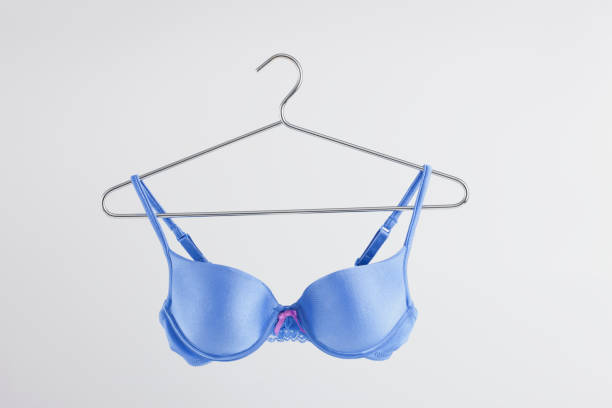
The question of whether a bra can cause wrinkles is one that circulates through fitting rooms and online forums, often shrouded in anecdote and misunderstanding. To address it directly, the answer is nuanced: while your everyday bra is highly unlikely to cause permanent, aging-related wrinkles in the skin, certain types of bras, when ill-fitting, can contribute to temporary skin markings and may influence skin health in specific ways. Understanding the distinction between temporary indentations and lasting wrinkles is key to demystifying this common concern.First, it is essential to define what we mean by “wrinkles.“ True wrinkles, associated with aging and photoaging, are caused by the breakdown of collagen and elastin fibers in the dermis, the skin’s deeper layer. This process is primarily driven by genetics, sun exposure, smoking, and repetitive facial expressions. The skin on the chest, or décolletage, is indeed thin and susceptible to sun damage, which is the leading cause of wrinkles in that area. A bra, however, does not possess the mechanism to break down these critical structural proteins. It does not cause the biological processes that lead to permanent wrinkling.Where the confusion arises is with temporary skin markings. An ill-fitting bra—particularly one with tight, narrow straps or an overly constricting band—can certainly create pressure-induced indentations on the shoulders and around the torso. These are similar to the marks left by socks or tight waistbands. They are a result of fluid displacement and temporary compression of the superficial skin and tissue, and they typically fade within minutes to hours after removing the garment. While persistent, daily pressure from a badly fitted bra could theoretically lead to more lasting impressions or even mild skin breakdown over a period of years, these are not the same as the fine lines and creases we classify as age-related wrinkles.There is, however, a more plausible connection between bras and skin texture that merits consideration: friction and skin barrier health. A bra that constantly rubs against the skin, especially if made from non-breathable, synthetic fabrics, can contribute to irritation, chafing, and even a condition called acne mechanica. This friction can degrade the skin’s surface, potentially making fine lines more noticeable in the short term and compromising the skin’s healthy appearance. Furthermore, for some, the pressure and occlusion from a bra might contribute to lymphatic fluid buildup in the
chest area, though evidence is largely anecdotal; some proponents of “bra-free” lifestyles claim this can lead to a less toned appearance over time.The most significant skin concern related to the bra-wearing area is, without question, sun exposure. Many
women apply sunscreen diligently to their faces but neglect their chest. A bra covers the skin, providing excellent protection, but it also creates a stark tan line. Repeated cycles of sun exposure on the upper
chest and sun protection under the bra can lead to significant photoaging differences. The skin under the bra may appear paler and potentially smoother simply because it has been shielded from the sun’s ultraviolet rays, not because the bra has actively prevented wrinkles.In conclusion, the fear that your bra is causing wrinkles akin to those on your face is largely unfounded. The permanent wrinkling process is a complex biological event that a piece of clothing cannot instigate. The real culprits for
chest wrinkles are the same as those for the face: the sun and the natural aging process. That said, wearing a well-fitting, comfortable bra made from breathable fabrics is a cornerstone of good skin health and overall comfort. It prevents unnecessary pressure marks, reduces friction, and supports tissue. For those concerned about décolletage aging, the prescription is simple and clear: apply broad-spectrum sunscreen daily to the
chest area, moisturize, and focus on finding a bra that fits perfectly. Your bra is not the enemy of youthful skin; the sun, however, most certainly is.