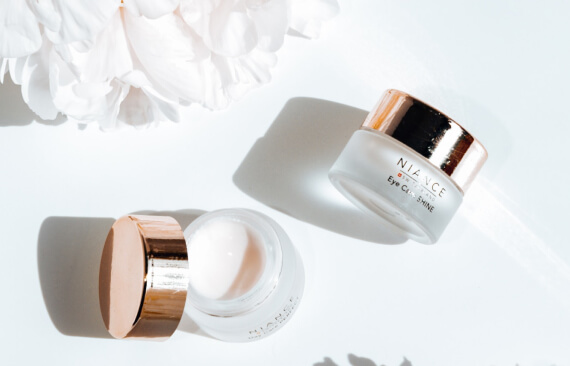
The quest for supple, hydrated skin has long moved beyond the medicine cabinet and into the kitchen. As we look toward 2025, the convergence of nutritional science, personalized wellness, and a deeper understanding of skin biology suggests that strategic diet changes will not merely help
dry skin but become a cornerstone of managing it. The emerging answer is a nuanced yes—dietary adjustments can significantly improve
dry skin, but their efficacy hinges on moving beyond simplistic trends and embracing a holistic, evidence-based approach to nourishment.Fundamentally, skin health is a reflection of internal well-being. The outermost layer of our skin, the stratum corneum, relies on a delicate matrix of lipids, including ceramides, cholesterol, and fatty acids, to maintain its barrier function and prevent transepidermal water loss. When this barrier is compromised, dryness, flakiness, and irritation ensue. Diet plays a pivotal role in supplying the raw materials to construct and maintain this barrier. Therefore, the dietary focus for 2025 is shifting toward targeted nutrient consumption rather than generic advice. Essential fatty acids, particularly omega-3s found in fatty fish like salmon, chia seeds, and walnuts, are crucial for reducing inflammation and supporting the skin’s lipid layer. A deficiency in these fats can directly manifest as dry, itchy skin.Furthermore, the anticipated food trends of 2025 align fortuitously with skin hydration needs. The growing emphasis on “food as medicine” and functional ingredients will bring compounds like
hyaluronic acid and collagen peptides from supplemental forms into everyday foods and beverages. Imagine fortified smoothies or snacks designed to boost the skin’s moisture retention from within. Simultaneously, the continued rise of plant-forward and fermented diets offers profound benefits. A diverse intake of colorful fruits and vegetables provides antioxidants—vitamins C and E—which protect skin cells from oxidative stress that can impair barrier function. Meanwhile, fermented foods like kimchi, kefir, and miso support gut microbiome diversity. This is critical, as a healthy gut microbiome modulates systemic inflammation, which is increasingly linked to inflammatory skin conditions, including some forms of severe dryness and eczema.However, the relationship between diet and
dry skin is not solely about addition; it is also about mindful subtraction. The dietary landscape of 2025 will likely see greater awareness of how pro-inflammatory foods can sabotage skin health. High consumption of processed foods, refined sugars, and certain unhealthy fats can promote inflammation throughout the body, potentially disrupting the skin’s natural balance and exacerbating dryness. Therefore, a beneficial dietary shift involves reducing these elements while increasing nutrient-dense, whole foods. Moreover, adequate hydration remains a timeless, yet often neglected, pillar. While drinking water may not directly plump up
dry skin in individuals who are sufficiently hydrated, chronic low fluid intake will certainly compromise overall organ function, including the skin’s ability to maintain moisture. The integration of water-rich foods like cucumbers, celery, and watermelon will complement fluid intake effectively.Crucially, 2025’s approach must be tempered with realistic expectations. Diet is a powerful modulator, but it is not a standalone cure for all causes of
dry skin. Genetic predispositions, hormonal fluctuations, environmental factors like cold weather and low humidity, harsh skincare products, and underlying medical conditions all play significant roles. Therefore, dietary strategies should be viewed as a fundamental, synergistic component of a broader skincare regimen that includes gentle topical moisturizers and sun protection. In conclusion, the evolving nutritional insights and trends poised for 2025 offer a compelling toolkit for combating
dry skin. By consciously incorporating barrier-supporting fats, antioxidant-rich plants, gut-friendly fermented foods, and ample hydration, while minimizing inflammatory triggers, individuals can nourish their skin from the inside out. This internal foundation, when paired with appropriate external care, promises not just temporary relief but a sustainable path toward resilient, naturally hydrated skin.