In the relentless pursuit of youthful skin, modern science offers a dizzying array of serums and treatments. Yet, a compelling argument is emerging that some of the most effective anti-wrinkle strategies are not found in laboratories, but are woven into the fabric of cultural heritage. While no tradition can stop time, many long-held skincare rituals from around the world offer preventative, holistic approaches that address the root causes of skin aging, potentially delaying the onset and minimizing the appearance of wrinkles.The efficacy of these traditions often lies in their foundational principles, which modern dermatology now confirms. Many cultures emphasize
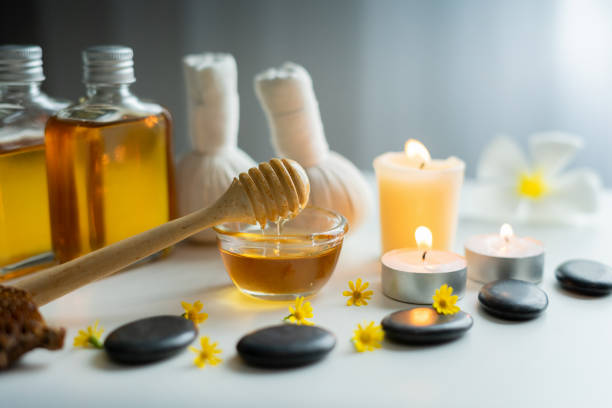
prevention over correction, a concept central to anti-aging. For instance, the cornerstone of Korean skincare is meticulous sun protection, historically achieved through wide-brimmed hats and clothing, now supplemented with high-SPF products. Since ultraviolet radiation is responsible for up to eighty percent of visible facial aging, including deep wrinkles and loss of elasticity, this cultural habit is arguably the single most powerful wrinkle-prevention practice in existence. Similarly, many traditions, from the Ayurvedic practices of India to the holistic approaches of the Middle East, prioritize hydration. The use of oils like sesame, argan, or jojoba creates a protective barrier, locking in moisture. Well-hydrated skin maintains a plumper appearance, making fine lines less noticeable and helping to preserve the skin’s barrier function, which weakens with age.Furthermore, these rituals frequently utilize natural ingredients rich in antioxidants and nutrients that combat oxidative stress, a key driver of wrinkle formation. The Japanese tradition of using green tea, both consumed and applied topically, provides catechins that neutralize free radicals generated by pollution and UV exposure. The widespread use of turmeric in South Asian skincare offers curcumin, a potent anti-inflammatory that can soothe skin and potentially mitigate collagen breakdown. The Mediterranean practice of incorporating olive oil, both in diet and on skin, delivers oleic acid and polyphenols that nourish and protect. These ingredients, honed over centuries, deliver bioactive compounds that help shield the skin’s supportive collagen and elastin fibers from degradation.Beyond topical applications, cultural skincare is often inseparable from lifestyle and diet, presenting a whole-body approach to aging. The French “art de vivre” underscores the connection between well-being and skin health, advocating for a balanced diet rich in fruits and vegetables, adequate hydration, and stress management—all factors that influence skin quality. Chronic stress elevates cortisol, which can break down collagen, while poor sleep impairs skin repair. Traditions that incorporate facial massage, such as the Japanese “Kobido” or the Chinese “Gua Sha,“ may offer benefits beyond relaxation. By stimulating blood circulation and lymphatic drainage, these techniques can promote a healthy glow and may, with consistent practice, help maintain muscle tone and skin firmness, contributing to a smoother complexion.It is crucial, however, to approach these traditions with informed discernment. Not all ancient practices are universally safe or effective by modern standards, and individual skin responses vary. The contemporary approach is not to abandon science but to integrate the wisdom of these traditions with evidence-based dermatology. The most powerful anti-wrinkle regimen likely combines the preventative, holistic ethos of cultural practices—rigorous sun protection, antioxidant-rich nutrition, mindful hydration, and stress reduction—with modern advancements like proven retinoids and broad-spectrum sunscreens.Ultimately, cultural skincare traditions offer a timeless lesson: preventing wrinkles is less about a single miracle ingredient and more about a consistent, holistic philosophy of care. They teach us to view skin health as an extension of overall well-being, to protect diligently from the sun, to nourish from within and without, and to treat skincare as a ritual of self-care rather than a frantic corrective measure. In this synergy of ancestral wisdom and contemporary science lies the most promising path to preserving skin’s vitality and delaying the signs of aging.