You know the feeling. The first cold snap hits, and suddenly your go-to moisturizer feels like it’s doing nothing. Or spring arrives with a humid day, and your face turns into an oil slick by noon. That’s not your imagination playing tricks. Your skin is responding to real changes in the air around you, and the smartest thing you can do is treat those shifts like you would a wardrobe change. You wouldn’t wear a puffy coat in July, so why keep using the same thick cream when the weather turns warm and sticky? The trick is to pay attention to what your skin is telling you, then make small, sensible swaps that keep your face comfortable, protected, and happy.
Let’s start with the most obvious culprit: humidity. When the air is dry, whether it’s winter’s cold outdoor air or the forced heat pumping through your living room, your skin loses water faster than it can hold onto it. That’s why you get that tight, almost itchy sensation after washing your face. The solution isn’t to pile on more product. It’s to switch to a gentler cleanser that doesn’t strip away whatever natural oils you still have. Think creamy instead of foamy. If your current cleanser leaves your skin feeling squeaky clean, that’s a red flag. Squeaky means stripped. Swap it for something that rinses off without that tight feeling, and you’ll already notice a difference within a couple of days.
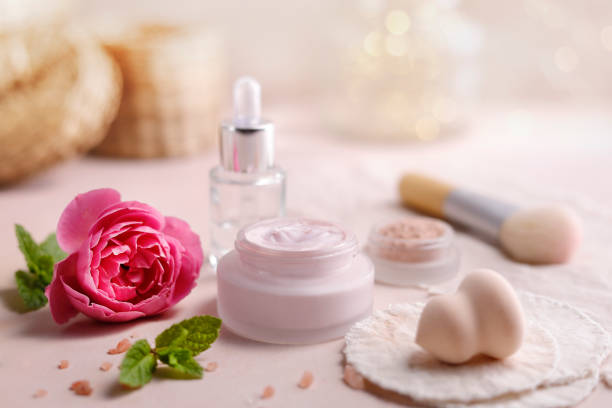
Your moisturizer needs a seasonal personality too. In dry months, look for something richer and more emollient. A cream or balm that sits on the skin for a bit is your friend. In humid months, you can switch to a lighter lotion or even a gel-based moisturizer. Your skin still needs hydration, but it doesn’t need a heavy barrier when the air is already offering up moisture. The same logic applies to your body. Your hands and lips are often the first to crack in winter. Keep a hand cream in your bag and a lip balm in your pocket. That’s not fussy. That’s practical.
Now, about sun protection. This one trips up a lot of people because they think sunscreen is only for beach trips or midsummer afternoons. The truth is, UV rays don’t take a holiday when the temperature drops. Snow actually reflects sunlight, which means you can get just as much exposure on a bright winter day as you do in summer. So keep your daily SPF going year-round. The only adjustment you might make is in the formula. A mineral-based sunscreen with zinc oxide can be less irritating on dry, wind-chapped skin than some chemical filters. And if your moisturizer already has SPF, great, but make sure it’s at least 30 and that you’re applying enough. A thin smear isn’t going to cut it.
Exfoliation is where a lot of women go wrong when the seasons shift. In winter, your skin’s cell turnover slows down, and that can leave your complexion looking dull. But cranking up your exfoliation to fix it is a mistake. Overdoing it leads to more dryness and irritation. Instead, dial it back to once a week with a gentle exfoliant. In summer, when sweat and oil build up, you might exfoliate twice a week. The key is to listen to your skin. If it feels raw or stings after applying your regular products, you’ve gone too far. Back off and let it heal.
What about the indoors? Your environment inside the house changes with the seasons too. Winter heating zaps moisture out of the air, so running a humidifier in your bedroom while you sleep does wonders. It’s a simple, low-tech fix that helps your skin look plump instead of parched. In summer, air conditioning does the same drying thing, just to a lesser degree. So keep that humidifier handy or place a bowl of water near a heat vent if you don’t have one. It sounds old-fashioned, but it works.
One more quiet hero: your nighttime routine. In colder months, your skin repairs itself while you sleep, so give it a little extra help with a nourishing night cream. In warmer months, you might not need anything heavier than your regular moisturizer. If you use a treatment serum, keep it consistent but adjust the layering. Thin, watery serums go on first, then moisturizer on top. That’s it.
The biggest mistake women make is treating their skincare like a permanent contract. It’s not. It’s a flexible relationship. You’re not betraying your favorite product by using something lighter in July. You’re just being realistic. Smart women don’t force a routine that doesn’t match reality. They adapt. So pay attention to how your face feels after you wash it, after you step outside, after you’ve been in a heated room for an hour. Your skin is giving you information. All you have to do is respond.