Let’s be honest about something that a lot of beauty advice gets wrong: having a perpetually shiny T-zone is not a curse. Sure, you’ve spent years blotting papers, powdering at lunch, and experimenting with mattifying gels that promise a poreless, flat finish. But here’s the secret that dermatologists know and most commercials won’t tell you—oily skin, especially the true seborrheic type, tends to age more slowly than its dry counterpart. That extra slickness you’ve been fighting? It’s a built-in moisturizer, a natural barrier, and honestly, a bit of a time machine.
Let’s talk about what seborrheic skin actually means for you. This isn’t about acne or breakouts, though those can happen. It’s simply a skin type that produces more sebum than average. That sebum is a fantastic lipid cocktail that keeps your skin pliable, supple, and protected from environmental nasties like wind, cold, and even some UV damage. Think of it as your personal silk wrap. While your friends are slathering on heavy creams by age thirty to mimic that bounce, you’ll still be waking up with a natural glow that doesn’t come out of a jar. The catch? You need to work with that oil, not against it, if you want the anti-aging benefits to last.
The biggest mistake women with seborrheic skin make is over-cleansing. When your face feels greasy by 2 PM, your instinct is to scrub it off with a harsh foaming wash, maybe a toner with alcohol, and then a water-based moisturizer. Stop right there. That aggressive routine strips your sebaceous glands into panic mode. They think, “Oh no, we’re losing all our protective oil!” and then they produce even more. You’re not solving the problem; you’re fueling it. Instead, treat your oil like a helpful friend. Use a gentle, sulfate-free cleanser morning and night that removes the day’s dirt without leaving your skin squeaky tight. That “squeaky” feeling is actually your skin crying for help.
Now, here’s where seborrheic skin gets its unfair reputation. Because you can see shine, you assume that your skin is hydrated enough. But oil and water are two different things. You can have high sebum output and still be dehydrated at the cellular level. That’s why you’ll sometimes notice fine lines around your eyes or mouth even though your forehead glistens like a glazed donut. The solution? You need a light, gel-based moisturizer that contains hyaluronic acid. Not a heavy cream, not a facial oil (you’ve got that covered), but a lightweight humectant that pulls water into the skin. Apply it to damp skin after cleansing, and let that oil lock it in. This is the secret handshake for seborrheic skin aging well: a layer of hydration underneath your natural sebum works better than any expensive night cream.
When you hit your late thirties and forties, something interesting happens. That sebum production naturally slows down. Women who spent their twenties blotting suddenly wonder why they feel dry around their temples. This is your opportunity to transition without panic. Because you’ve likely avoided the deep, etched wrinkles that come from years of dry, tight skin, you’re already ahead. But you have to adjust your routine before you start to lose your advantage. Start incorporating a gentle beta hydroxy acid (yes, salicylic acid is okay) two or three times a week to keep your pores clear without nuking your natural moisture. And you can start using a slightly richer moisturizer at night, just on the areas where you feel tightness, not all over.
Another thing to keep in mind: sun protection. Seborrheic skin does not make you immune to UV damage. The oil may give you a bit of a buffer, but it won’t save you from collagen breakdown. Find a lightweight, non-comedogenic sunscreen that doesn’t feel like a mask. A gel-based SPF 30 or higher is your best friend. Apply it every single morning, even when it’s cloudy. The women who swear they have a natural tan that doesn’t wrinkle are fooling themselves until they hit fifty—then it shows. Don’t be that person. Use your oil’s protective qualities as an extra layer, not a replacement.
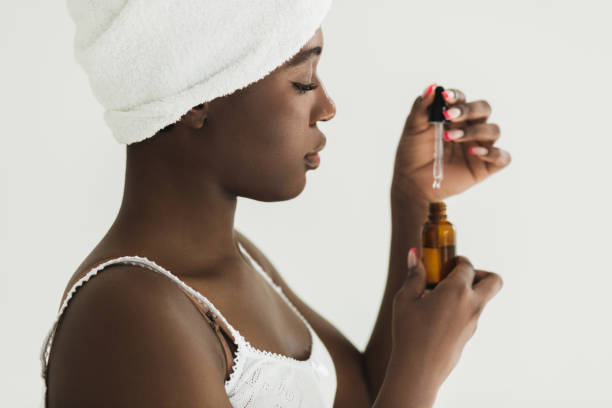
Here’s the most counterintuitive piece of advice you’ll hear about seborrheic skin and aging: don’t skip face oils. You might think adding oil to oily skin is crazy, but think about the type. A few drops of squalane or a rosehip seed oil, applied at night, can help signal your skin to slow down its own overproduction. It’s like telling your sebaceous glands, “Hey, we’ve got enough help now, you can take a break.” This ultimately balances your oil levels and reduces midday shine. Most women see a surprising shift within two weeks: less grease, smoother texture, and no more tide-mark forehead.
Your goal is not to have matte, powdery skin. That look, while popular in selfies, actually emphasizes every little line and flake. Healthy, well-managed seborrheic skin has a dewy, luminous quality that reads as youthful. So stop chasing the flat finish. Instead, embrace a slimmed-down skincare lineup: a gentle cleanser, a hydration serum, a lightweight SPF, and perhaps a squalane oil at night. That’s it. Your natural oil production will do the heavy lifting for sustained firmness and elasticity. In fact, when you compare yourself to friends with dry skin ten years from now, you’ll notice they’ve been buying retinol creams by the truckload and still have more fine lines than you. That’s your payoff for years of dealing with blotting papers.
Being oily isn’t a problem to solve. It’s a gift to manage. Treat it with respect, keep your hydration up, and let your sebum be the invisible assistant that keeps your face looking younger, longer.