You get to your desk at nine, coffee in hand, face freshly washed and moisturized. By noon, things start to feel a little tight. By three, you catch your reflection in the monitor and wonder if you aged five years since breakfast. Sound familiar? It’s not your imagination, and it’s not just stress. It’s the air around you. Office air conditioning and heating systems may keep the temperature comfortable for the masses, but they are absolutely brutal on a woman’s skin. The constant recirculated air pulls moisture from your face faster than you can say “hydration mist.” And here’s the kicker: even if you’re not feeling dry yet, the damage is happening invisibly, setting you up for more visible lines in the years ahead.
Let’s break down what’s actually going on, minus the science jargon. Your skin has a natural protective layer that works like a brick wall, holding in moisture and keeping irritants out. When the air around you is dry—which happens every single time a building cranks up the AC or heat—that wall starts to crack. Water evaporates from your skin at a much faster rate than it does in humid air. Your face becomes less elastic, more prone to fine lines, and more sensitive to anything you put on it. If you have oily skin, you might think you’re safe, but you’re not. When your skin loses moisture, it panic-produces extra oil to compensate, leading to a greasy T-zone at 2pm while your cheeks feel like paper. It’s a cruel trick of nature.
You also might notice your makeup looks cakey or settles into creases by afternoon. That’s not the foundation’s fault. Dry skin literally has a rougher texture, so products lay unevenly and grab onto flaky patches you couldn’t even see before you left the house. This is why your morning skincare routine and your lunchtime touch-up routine need to be two different animals. The good news? You don’t have to quit your job or carry a cooler of misting water to fix this. You just need to think like a smart woman who knows her environment and adapts.
First, take a hard look at your morning moisturizer. If it’s light or gel-based, swap it for something more substantial during workdays. You want a creamy, barrier-supporting moisturizer that feels like it’s actually sitting on your skin, not sinking in instantly. Think of it as a shield. Apply it on slightly damp skin—right after you wash your face, pat dry, then immediately layer on that moisturizer. That traps a little extra water where it belongs. Then, and this is huge, reapply something at your desk. Not the heavy cream you used in the morning, because that can turn slick or pill under makeup. Instead, use a thin facial mist or a hydrating toner in a travel spray bottle. Spritz it over your face about halfway through your morning shift. Let it air dry for ten seconds, then gently press your palms into your skin to seal it. No rubbing. This gives you an instant “drink” and smooths out any tightness.
Another underrated trick: place a tiny personal humidifier on your desk. They’re about the size of a coffee mug and cost less than one good eyeshadow palette. Aim it toward your face while you work. The extra moisture in your immediate breathing zone makes a measurable difference in how your skin feels by quitting time. If a humidifier feels too extra, fill a regular coffee mug with water and place it near your keyboard. Evaporation will help a little, though honestly the dedicated humidifier is worth it. Also, check your seating position. If you sit directly under or near a vent, the airflow is harsher. Move your chair a few feet away if possible, or adjust the vent’s louvres so the air doesn’t blast your face on the way to your keyboard.
Don’t forget about sun protection, even indoors. Office windows let in UV rays, and those rays dig into collagen regardless of the temperature. A light sunscreen in your morning routine is non-negotiable. If you’re already wearing a foundation or tinted moisturizer with SPF, double-check that it’s at least SPF 30 and that you’re using enough. Most people don’t. And for makeup, ditch the powder. Powders absorb moisture, which is the last thing your office skin needs. Switch to cream blushes, cream eyeshadows, and a hydrating setting spray instead of a powder-setting one. Your skin will thank you by looking dewy instead of dusty.
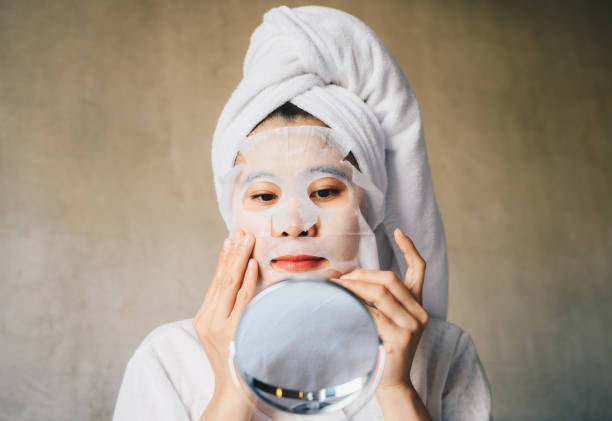
Finally, listen to your skin. If it feels itchy or looks red by late afternoon, that’s a signal to up your hydration game, not just at your desk but overnight. Use a thicker night cream or add a few drops of facial oil in the evening to repair what the office air broke down. Consistency beats intensity—a little bit of care every single workday will keep those premature lines at bay far better than an aggressive Sunday mask. So take control. Your office air may be dry, but your skin doesn’t have to be.