You dress for the office. You pack lunch, charge your laptop, maybe even remember the umbrella. But the one thing most women overlook is the air they sit in for eight hours. Office heating and air conditioning are designed for buildings, not faces. They keep rooms comfortable while quietly pulling moisture from the air—and from your skin. By 3 p.m., that tight, dull, slightly itchy feeling isn’t your imagination. It’s your skin asking for a different workplace skincare strategy.
The tricky part is that office air problems don’t announce themselves. You won’t see a warning label on the vent above your desk. You’ll just notice that your cheeks feel rough, your forehead looks shinier than usual, and the fine lines around your eyes seem more obvious under fluorescent lights. That combination is common. When the air is dry, your skin loses water. When your skin loses water, it can overproduce oil to compensate. So you end up both dry and shiny—a frustrating duo that makes makeup settle into places you didn’t know you had.
Start with your desk position. If you can, move your chair so the vent isn’t blowing directly on your face or hands. A direct stream of heated or cooled air is the quickest way to dehydrate skin. If moving isn’t possible, a small desk screen or even a stack of binders can redirect the airflow. In winter, when office heat runs hard, a compact humidifier at your desk can make a real difference. You don’t need a spa-sized machine; a modest one that runs while you work is enough to keep the air around you from feeling like a hair dryer.
Your morning routine should match your office reality. If you know you’ll be in dry air all day, don’t leave the house with skin that feels “just clean.” That clean, tight feeling is not a good sign. It usually means your skin needs moisture. Use a gentle cleanser, then apply a moisturizer while your skin is still slightly damp. That helps seal in water before the office air gets a chance to steal it. If your skin is very dry, a richer cream at night and a lighter lotion in the morning can be a better combo than one heavy product used twice.
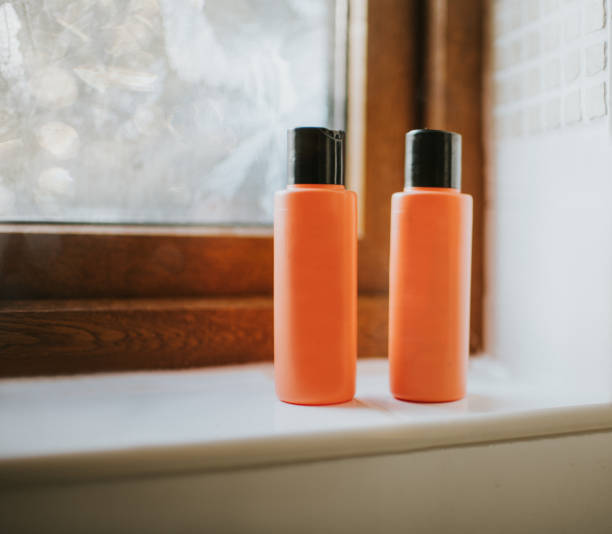
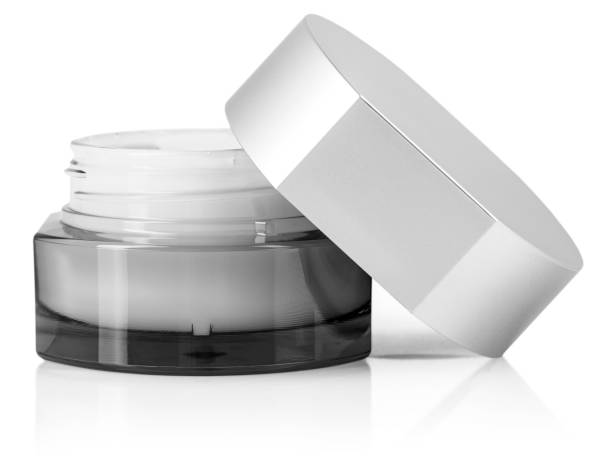
Think about timing, too. A quick layer of moisturizer before you leave for work is smart, but it won’t last forever in dry air. Keep a small tube of face moisturizer in your desk drawer and use a pea-sized amount after lunch. This is especially helpful if you wash your hands often, because hands show office dryness fast. Keep hand cream next to your keyboard and use it after every few washes. Your lips need the same attention. A hydrating lip balm on your desk is not vanity; it’s practical maintenance.
Don’t forget the window seat. If your desk gets strong daylight, office skincare includes sun protection even in winter. UVA rays come through glass, and they are one of the main reasons people see uneven tone and early lines on the side of the face that faces the window. A broad-spectrum sunscreen in the morning is non-negotiable if you sit near a window. Reapply a sunscreen powder or stick over makeup at lunch if you’ll be near the glass all afternoon. It’s a small step with a long-term payoff.
Water helps, but it isn’t a magic fix. Drink throughout the day, yes, but don’t count every sip as a skincare plan. You still need products that hold moisture in place, and you still need to protect your skin from the air around you. A desk mist can feel refreshing, but don’t rely on it alone. If you mist and walk away, you can actually make dryness worse as the water evaporates. Spritz, then pat on a thin layer of moisturizer to lock in the water.
At the end of the day, give your skin a simple reset. Cleanse gently, moisturize well, and let your skin recover overnight. You don’t need ten steps. You need consistency, a little awareness of your office environment, and the willingness to keep a few smart products within arm’s reach. The thermostat may be out of your control, but your desk drawer, your routine, and your timing are not.