Let’s be honest about one thing. When you see a retinol cream priced at eighty bucks and a drugstore tube at fifteen, the first thought is usually “that’s just the fancy label talking.” But after a decade of watching smart women spend real money on everything from haircare to handbags, here’s the truth about premium retinol formulas. They aren’t just about the status. They’re about the way the whole package works with your skin instead of against it.
First, consider what retinol actually does. It’s the gold standard for smoothing fine lines and keeping collagen production humming along. But retinol is also a diva. It degrades in light, gets grumpy in heat, and loses its power when exposed to air. That’s where the money goes in a luxury version. Premium brands use special delivery systems that keep the active molecule stable until the moment it touches your face. Some use tiny encapsulations that release slowly over several hours. Others package it in airtight pumps that protect the formula from oxygen. That ten dollar tube might be oxidizing in your bathroom cabinet before you even unscrew the cap. The expensive one stays fresh and potent for months, which means you’re actually getting the retinol you paid for instead of a watered-down ghost of it.
Then there’s the texture story. Nobody talks enough about how much your willingness to apply a product matters. If a retinol feels greasy, stings on application, or sits like a sticky film on your skin, you’re going to skip it. And skipped products never prevent wrinkles. Luxury formulations spend serious time on the base that carries the active ingredients. They use fast-absorbing squalanes, silky esters, and calming botanicals that make the experience feel like a small self-care ritual. When you actually look forward to that step in your night routine, you use it consistently. Consistency is what turns a good ingredient into visible skin changes. A premium retinol might be the reason you don’t give up after two weeks of mild flaking, because it’s buffered with soothing compounds like bisabolol or allantoin that keep irritation in check.
Let’s talk about concentration, too. The drugstore shelf often hides its true strength behind ambiguous terms like “retinyl palmitate,” a weaker cousin that needs multiple conversions in the skin before it does anything. Premium retinol serums usually list actual percentages right on the box, and they often use retinol itself or even retinaldehyde, which is one step closer to retinoic acid. That means you get more visible results for the same amount of nightly effort. You might need six months with a cheap formula to see a noticeable difference in your crow’s feet. A well-made luxury one can show softening in eight weeks. While the upfront price is higher, the cost per effective dose often lands in your favor because you don’t have to buy endless bottles of barely-working stuff.
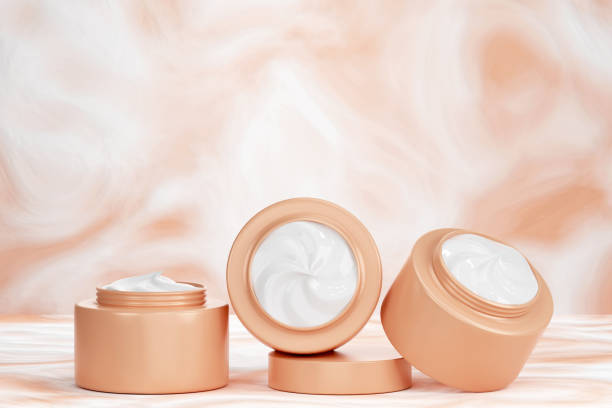
The packaging and preservation matter more than you’d expect. Retinol is notoriously sensitive to pH and temperature changes. Many budget options come in jars, which means every time you dip your fingers in, you’re introducing bacteria and oxygen to the whole batch. Luxury lines typically use nitrogen-flushed airless pumps or single-dose capsules. That design protects the ingredients and also makes sure you get a consistent amount every single night. No guessing if you’re using too little or too much. No panicky panic when the tube starts to dry out. Your skin gets the same steady dose, which is exactly what collagen production needs to keep building that support structure under your expression lines.
Now, is this to say that cheap retinol is completely useless? No, and any honest beauty expert will tell you that a budget option is still way better than nothing. But the conversation here is about premium investments, and that’s about upgrading your results, your comfort, and your overall experience. For a woman in her late twenties or thirties who is looking at the first hints of forehead lines, retinol is the single most effective non-prescription ingredient you can add. Paying a little more for a version that doesn’t irritate, that stays stable, and that you’ll actually enjoy using isn’t vanity. It’s strategy. It’s the difference between buying a generic black sweater that pills after three washes and investing in the cashmere one that still looks sharp five years later. Your face is a long-term asset. Treating it to a serum that works as hard as you do is simply smart economics.
Because here’s the kicker. No amount of expensive moisturizer or fancy masks will erase wrinkles that already have a head start. Retinol is the closest thing we have to a time machine in a war against fine lines. And when you spring for a luxury formulation, you’re not just buying a molecule. You’re buying research, fresh raw material, careful production, and a sensory experience that makes you feel like you’re worth the effort. And you are. So the next time you wince at the price of that little amber bottle, do the math. Divide the cost by six months of nightly use. That’s less than a single latte per day for a smoother, brighter, more resilient face. Some investments pay off in weekly dividends. This one pays off every time you catch your reflection in a window and pause, because you look exactly like yourself, just more rested and a little bit softer around the edges. That’s what premium anti-aging really promises. And for that, a few extra dollars is a bargain.