The quest for a youthful appearance often feels like a battle against the elements. From the desiccating winds of arid deserts to the humid, sun-drenched coastlines, each climate presents its own unique assault on the skin. While it is tempting to search for a location-specific miracle cure—a heavier cream for the cold, a lighter serum for the heat—the true key to anti-aging transcends geography. It is not found in a single product, but in a foundational, unwavering commitment to two universal principles: comprehensive sun protection and intelligent skin hydration. These pillars, consistently applied, form the bedrock of effective anti-aging in any environment.
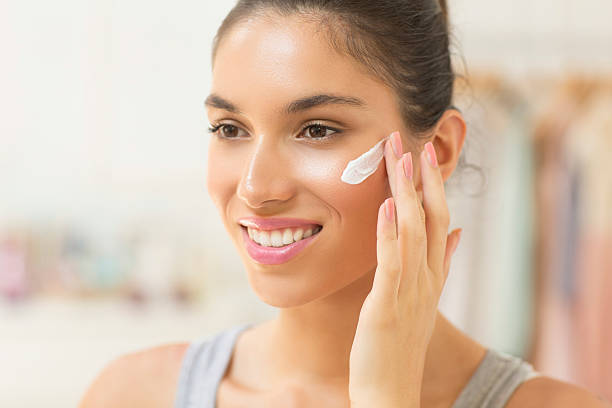
Sun exposure is the single greatest accelerator of extrinsic aging, responsible for up to 90% of visible skin changes. Ultraviolet (UV) radiation does not discriminate based on your zip code; it is a constant, pervasive force. While its intensity may vary, its damaging effects are cumulative and irreversible. UVA rays, which penetrate clouds and glass, lead to loss of elasticity, deep wrinkles, and pigmentation by breaking down collagen and elastin deep within the dermis. UVB rays are primarily responsible for surface-level damage like sunburn. Therefore, the first non-negotiable ritual is daily, year-round application of a broad-spectrum sunscreen with an SPF of 30 or higher. This is as crucial on a gloomy winter day in London as it is on a summer beach in California. In this single habit, one addresses the primary cause of photoaging, making it the most powerful anti-aging action a person can take, regardless of climate.
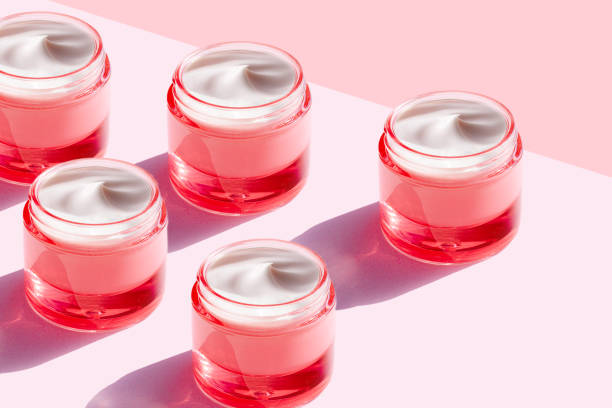
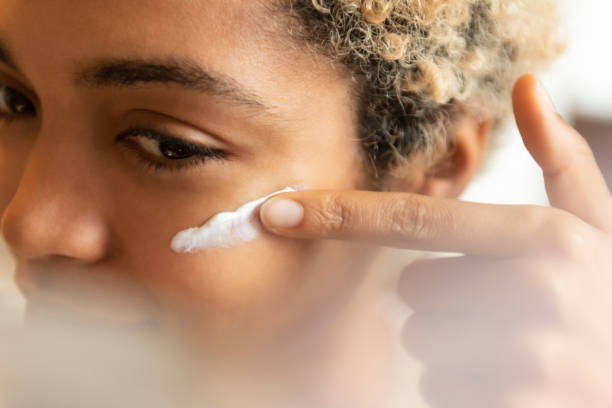
The second pillar, hydration, is where climate awareness intelligently informs—but does not dictate—your strategy. The goal remains constant: to support the skin’s barrier function, which retains moisture and protects against pollutants and irritants. However, the method of achieving this balance requires subtle adaptation. In arid or cold climates, where moisture is stripped from the skin, the focus should be on preventing transepidermal water loss. This often means employing richer, occlusive moisturizers containing ingredients like ceramides, fatty acids, and hyaluronic acid applied to damp skin to seal in hydration. Conversely, in hot, humid climates, the air is saturated, but sweat and sebum production can increase, potentially leading to clogged pores. Here, the strategy shifts to lightweight, humectant-rich gels or lotions that draw moisture to the skin without a heavy, occlusive feel. The constant is the act of daily hydration tailored to the skin’s immediate needs, not the abandonment of the practice altogether.
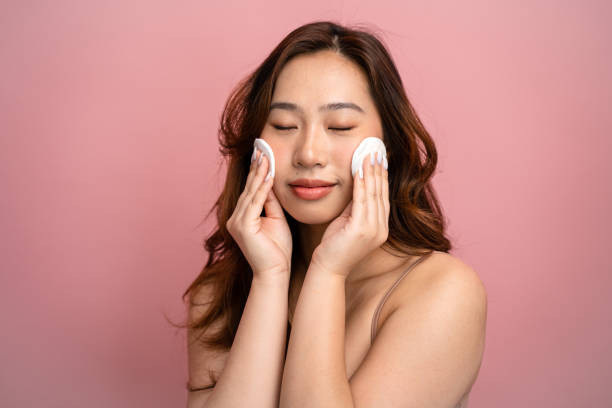
Beyond these core pillars, a holistic approach fortifies their effects. A diet rich in antioxidants—found in colorful fruits, vegetables, and green tea—provides an internal defense against the free radicals generated by UV exposure and pollution, a factor in every climate. Consistent, gentle cleansing removes impurities without compromising the skin barrier. Furthermore, managing stress and prioritizing quality sleep are universal anti-aging strategies; cortisol accelerates collagen breakdown, while sleep is when cellular repair peaks. These lifestyle choices create an internal environment conducive to resilience, upon which topical skincare can work more effectively.
Ultimately, the geography of aging is not defined by the weather outside your window, but by the discipline inside your daily routine. Chasing climate-specific fads leads to a fragmented and often ineffective approach. The key is to recognize that while environmental aggressors vary, the skin’s fundamental needs for protection and nourishment do not. By establishing the non-negotiable habit of sun protection and adapting the delivery of hydration with wisdom, one builds a robust, flexible defense. This consistent, dual-focused regimen is the universal constant, the true secret to preserving skin health and vitality, proving that the most powerful climate for anti-aging is the one of unwavering personal care.