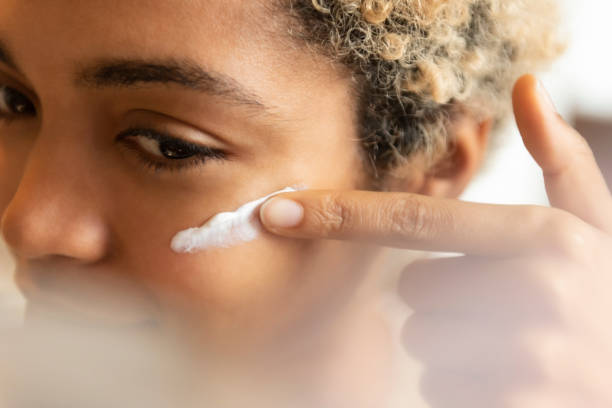
You step outside, and the air feels thick. Maybe you live near a busy road, or your office sits in the middle of downtown. Either way, your skin takes note. Pollution isn’t just a headline about the environment. It’s a daily assault on your face, and it’s one of the sneakiest causes of premature wrinkles. The good news? You don’t need a lab coat or a ten-step routine to push back. You just need a few smart habits that fit into your real life.
Here’s what’s happening. Microscopic particles from car exhaust, construction dust, and factory smoke float through the air. They land on your skin, and because they’re so tiny, they slip into your pores. Once there, they set off a chain reaction that breaks down collagen and elastin, the stuff that keeps your face firm and bouncy. Think of it like leaving a metal bike out in the rain. It rusts. Your skin doesn’t rust, but it does wear down faster. Pollution also teams up with sunlight to create a double whammy. The sun already damages skin. Add pollution, and the damage multiplies. That’s why city dwellers often notice fine lines around their eyes and mouth earlier than friends in cleaner zip codes.
So what do you do? Start with your evening cleanse. This is the most important step you’re probably not doing thoroughly enough. After a day in the city, your face is covered in a film of grime you can’t see. A quick splash of water won’t cut it. Use an oil-based cleanser first to melt away sunscreen, makeup, and oily pollution particles. Then follow with a gentle water-based cleanser to sweep away sweat and leftover dirt. Don’t scrub hard. Rough treatment creates tiny tears that let more irritants in. Be thorough but kind.
Next, think antioxidants. You’ve heard of vitamin C serums, and there’s a reason they’re everywhere. Antioxidants act like bodyguards for your skin cells. They neutralize the unstable molecules that pollution creates before those molecules can damage collagen. Apply a vitamin C serum in the morning after cleansing and before moisturizer. Look for one that feels lightweight and doesn’t sting. Consistency matters more than price. A drugstore option used daily beats a fancy one used once a week.
Sunscreen is non-negotiable. Pollution and UV rays are partners in crime. Sunscreen creates a shield that keeps both from sinking in. Choose a broad-spectrum SPF 30 or higher. Yes, even in winter. Even on cloudy days. Especially if your commute involves walking past idling buses. Reapply if you’re outside for more than two hours. Keep a stick in your bag for touch-ups over makeup.
Your moisturizer does more than hydrate. A strong moisture barrier is your skin’s first line of defense. When that barrier is healthy, pollution particles have a harder time getting through. Look for moisturizers with ceramides or fatty acids. These ingredients fill in the cracks between skin cells, like spackle on a wall. Apply while your skin is still slightly damp from cleansing to lock in water.
Weather matters too. When the air is dry and cold, your barrier weakens, and pollution finds it easier to get in. When it’s hot and humid, sweat mixes with grime and clogs pores. Adjust your routine with the seasons. A richer moisturizer in winter, a lighter gel in summer.
Don’t forget your hairline and jaw. Pollution loves to hide there. When you cleanse, pay attention to the edges of your face. Same with your neck. Wipe down your phone screen too, since it presses against your cheek all day.
At night, after cleansing, consider a gentle exfoliant once or twice a week. Not a scrub with rough beads. A liquid exfoliant with lactic acid or salicylic acid helps loosen dead skin cells that trap pollution. Over-exfoliating backfires, so keep it mild.
Finally, think about your indoor air. A simple air purifier in your bedroom reduces the pollution that settles on your pillow. Wash your pillowcases weekly. Your skin spends eight hours pressed against them.
You can’t escape the city, and you don’t have to. With a thorough cleanse, an antioxidant, sunscreen, and a solid moisturizer, you’re giving your skin the backup it needs. Pollution is persistent, but so are you.