The quest to understand the signs of aging often focuses on the face and hands, but our feet, the foundation of our mobility, are equally subject to the passage of time. Among the various changes that occur, the development of wrinkles on the
feet is a common, yet frequently overlooked, phenomenon. While genetics and the natural loss of skin elasticity with
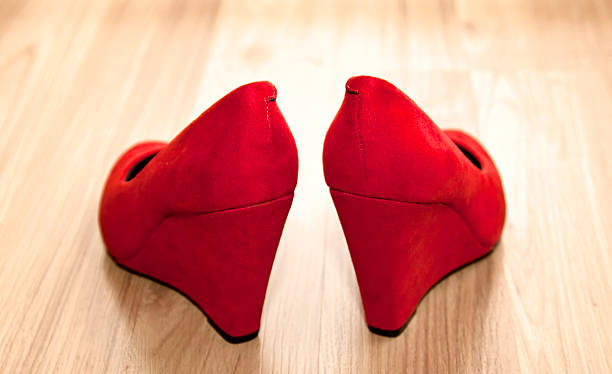
age are primary drivers, the role of footwear is far from insignificant. Indeed, the shoes we choose can profoundly influence the pattern, depth, and premature formation of wrinkles on our feet, acting through mechanisms of pressure, friction, and environmental control.Fundamentally, wrinkles form due to the repetitive folding of skin combined with the degradation of collagen and elastin. On the feet, this folding is not random; it follows the lines of movement and pressure. Ill-fitting shoes are a primary culprit in dictating these lines. Footwear that is too tight or narrow compresses the toes and the top of the foot, forcing the skin to crease in specific, unnatural positions for prolonged periods. Over years, these temporary compression lines can become permanent wrinkles, much like the way repeated facial expressions lead to expression lines. Conversely, shoes that are excessively loose cause the foot to slide, creating friction that can lead to both wrinkles and calluses as the skin thickens in response to constant rubbing.The design and structure of the shoe itself also script the story of our skin. Consider the classic example of high heels. They force the foot into a steep incline, jamming the toes into the front of the shoe and creating intense pressure on the ball of the foot. This position not only causes horizontal wrinkles across the toes but also leads to vertical creasing on the top of the foot as the skin is stretched and buckled. Similarly, rigid footwear with poor flexibility, such as certain formal shoes or stiff boots, restricts the foot’s natural bending motion at the metatarsal joint. When the foot attempts to move within this rigid shell, the skin is forced to crumple against the unyielding material, accelerating wrinkle formation in those specific zones.Beyond mechanical pressure, footwear dictates the microenvironment of the foot, which indirectly affects skin health and resilience. Non-breathable materials, like certain synthetics, trap sweat and moisture. This constant hydration can temporarily plump the skin, but the subsequent cycles of wetness and drying can actually degrade the skin’s barrier function and collagen over time, making it more susceptible to creasing. Furthermore, a damp environment leads to maceration—the softening and breaking down of skin—which can make existing wrinkles more pronounced and the skin overall less resilient.However, it is crucial to recognize that footwear can also be a tool for prevention. Well-designed, properly fitted shoes that accommodate the foot’s natural shape and gait cycle can minimize damaging pressure and friction. Features like adequate toe box space, flexible soles that bend at the correct point, and breathable, soft materials can allow the foot to function with minimal constriction. This supportive environment reduces the repetitive, damaging skin folding that leads to deep, premature wrinkles. In this sense, consistent choices in supportive footwear are a form of long-term skincare for the feet.In conclusion, while the aging process is inevitable, the specific topography of wrinkles on our
feet is not merely a genetic blueprint. Footwear acts as a daily sculptor, through compression, shear force, and environmental control. The chronic stress imposed by poorly chosen shoes can etch premature and pronounced lines into the skin, while thoughtful, ergonomic choices can help preserve the foot’s natural contour and delay significant wrinkle formation. Therefore, viewing shoes not just as fashion accessories but as guardians of podiatric skin health is a step toward maintaining not only our comfort but also the youthful appearance of our
feet for years to come.