You do not need a ten-step routine to look awake. You need five minutes, a smooth stone, and the willingness to stop dragging your skin around. Facial massage and gua sha are manual lifting techniques. Done right, they help your face look less puffy and your jawline more defined. Done wrong, they just make you red. So let’s do it right.
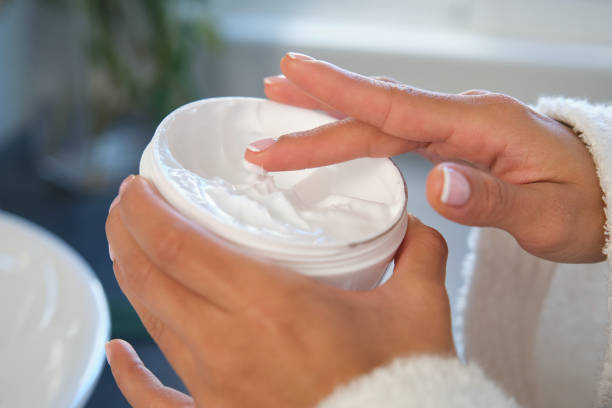
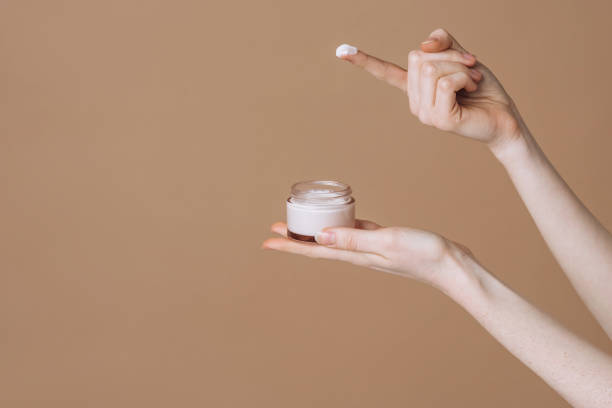
First, prep. Start with a clean face. If you have makeup on, take it off. A facial oil or rich moisturizer lets the stone glide without pulling. The stone should never skip across dry skin. Think of ironing a silk blouse. You would not press hard on a dry iron.
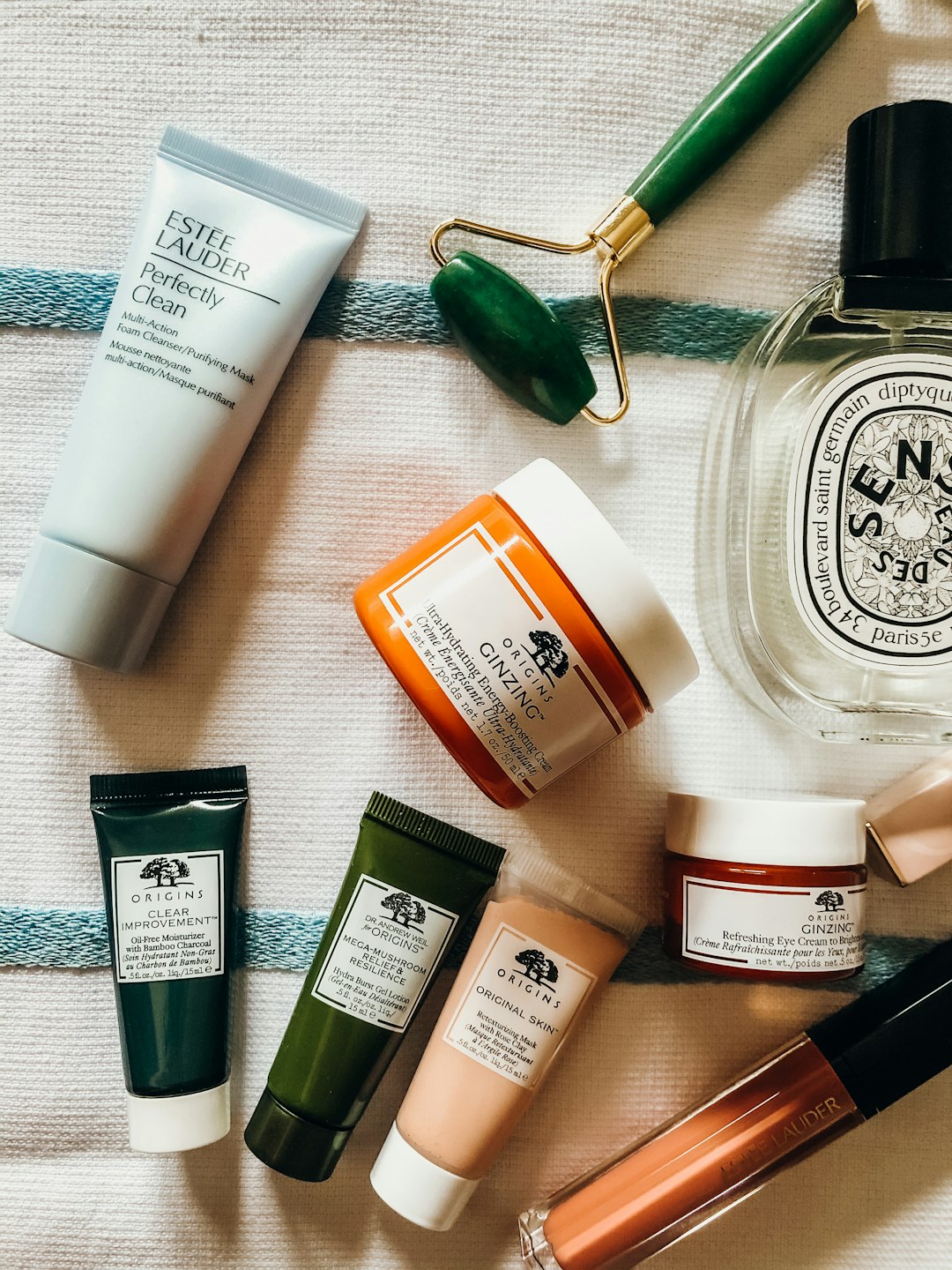
Hold your gua sha stone flat against your skin, not on its thin edge. The edge is for tight spots like the jaw, but even then, use a gentle angle. The stone should feel cool and smooth, not like a scraper. You are not carving your cheekbones out of stone. You are encouraging movement and releasing tension. That means light pressure, short strokes, and a relaxed jaw. If you are clenching your teeth, you are missing the point.
Start at your neck. This is the step most women skip, and it makes the biggest difference. Use gentle downward strokes from behind your ear down the side of your neck to your collarbone. Do five to eight on each side. You are not pushing hard. You are helping fluid that has settled there move along. Then move to your jawline. Place the stone flat along your chin and sweep toward your ear. Use short, overlapping strokes. Do one side, then the other. Anchor your skin with your free hand, but keep the pressure even.
Next, your cheeks. Start near your nose and sweep outward and upward toward your ear. Then start at the corner of your mouth and sweep to your ear. These strokes should feel like a gentle lift, not a tug. If your skin is pulling, add slip. If your stone is dragging, you are pressing too hard. Under your eyes, go very light. Use the small end of the stone and sweep from the inner corner toward your temple. The skin there is thin, so treat it like tissue paper. For your forehead, start between your brows and sweep outward to your temples. Then sweep down to your neck. Finish with a few neck strokes.
What about the lifting part? The lift is not permanent, and it is not bone-deep. It is a temporary effect from moving fluid, relaxing tight muscles, and giving your skin a fresh dose of circulation. That is why consistency matters more than intensity. Five minutes every morning can make your face look less puffy before makeup. Five minutes at night can help you unwind your jaw and forehead after a long day. If you only do it once a week, you will feel good, but you will not see the subtle change in your jawline that comes from repetition.
A few rules. Do not gua sha over active breakouts, sunburn, or irritated skin. Do not press hard enough to leave red marks. Do not expect it to replace sleep, water, sunscreen, or moisturizer. It is not a facial in a stone. It works best when you treat your skin kindly. Clean your stone after each use with mild soap and warm water. If you do not have a stone, your fingers can do a version of this. Use your knuckles gently along your jaw, and your fingertips for the rest. The tool is nice. The technique is what counts.
If you want to level up, book a professional facial massage or gua sha session. A trained esthetician can show you the right pressure and direction for your face. Then bring those moves home. That is the real professional intervention: learning how to keep the results going. Your face is not a problem to fix. It responds to touch, rest, and consistency.
Do this routine for a week. Not for an hour. For five minutes. You will look less puffy. Your jaw will feel looser. Your skin will look more awake. And you will have a new habit that costs almost nothing. That is a good trade.