The quest to soften the persistent lines of the forehead—those horizontal creases born from expression, sun, and the simple passage of time—is a common skincare pursuit. Unlike some signs of aging, forehead wrinkles are often a combination of dynamic movement and static, sun-damaged skin. Therefore, the most effective treatment strategy involves a multi-ingredient approach that targets both the muscle activity beneath the skin and the skin’s structure itself. The best ingredients for treating forehead wrinkles are those backed by science, working to relax muscles, boost collagen, accelerate cell turnover, and protect from further damage.
At the forefront of any discussion on expression lines are neurotoxins, such as Botox, which are considered the gold standard for treating dynamic wrinkles. Administered by a medical professional, these treatments work by temporarily blocking the nerve signals that cause the forehead muscles to contract. This relaxation of the muscle allows the overlying skin to smooth out, dramatically reducing the appearance of existing lines and preventing the formation of new, deeper ones. For deeper static lines that remain visible even when the face is at rest, dermal fillers containing hyaluronic acid can be a powerful tool. By injecting this naturally occurring substance beneath the wrinkle, practitioners can physically plump and lift the crease, restoring volume and creating a smoother surface. While these are in-office procedures, they represent the most direct and potent intervention for pronounced forehead lines.
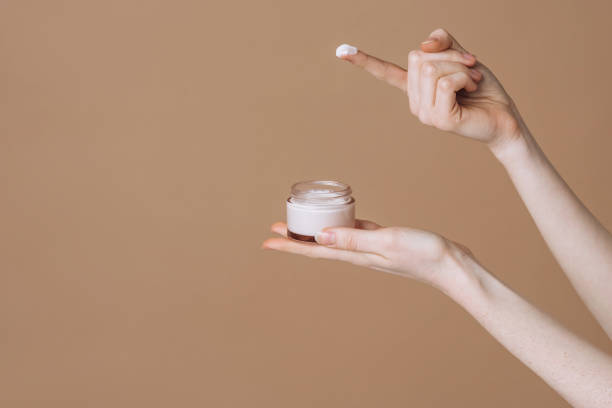
For daily at-home care, a regimen built on proven topical ingredients is indispensable. Retinoids, derived from vitamin A, are arguably the most powerful ingredient one can apply from a bottle. Prescription-strength retinoids like tretinoin, and their over-the-counter cousin retinol, work by accelerating cellular turnover and, most crucially, stimulating the deep layers of the skin to produce new collagen and elastin. This process effectively thickens the skin and repairs the underlying support structure, softening the appearance of fine lines and wrinkles over time. Consistent use, coupled with patience, can yield transformative results for forehead texture and tone. To complement this renewal process, vitamin C is a cornerstone antioxidant. It helps defend skin from free radical damage caused by UV rays and pollution—a primary driver of premature aging. Furthermore, vitamin C is essential for collagen synthesis itself, brightens skin tone, and can enhance the protective efficacy of sunscreen, forming a critical part of a preventative anti-wrinkle strategy.
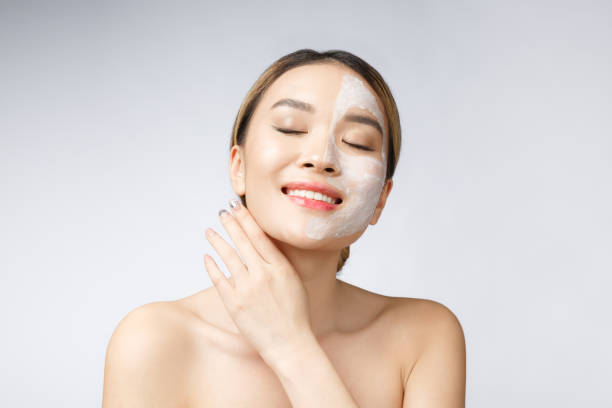
No anti-aging regimen is complete without relentless sun protection, making broad-spectrum sunscreen a non-negotiable ingredient. Ultraviolet radiation breaks down collagen and elastin fibers, directly causing and deepening wrinkles, including those on the forehead. Daily use of an SPF 30 or higher sunscreen is the single most effective way to prevent further damage and protect the investment made in other treatments. Finally, the importance of hydration cannot be overstated. Ingredients like hyaluronic acid, a humectant capable of holding a thousand times its weight in water, are excellent for plumping the skin’s surface. When applied topically, it draws moisture into the outer layers of the skin, temporarily diminishing the appearance of fine lines by making them less visible. While this effect is not permanent, it contributes to a smoother, more supple complexion and supports the skin’s overall health.
In conclusion, treating forehead wrinkles successfully requires a layered strategy that addresses both cause and effect. The most potent path often combines professional interventions for significant lines with a disciplined at-home routine centered on collagen-building retinoids, protective antioxidants like vitamin C, and diligent daily sun protection. Supporting this with hydrating agents ensures the skin’s barrier remains healthy and resilient. Ultimately, understanding and consistently utilizing this synergy of ingredients—from the clinically administered to the meticulously applied—offers the most promising route to a smoother, more youthful forehead.