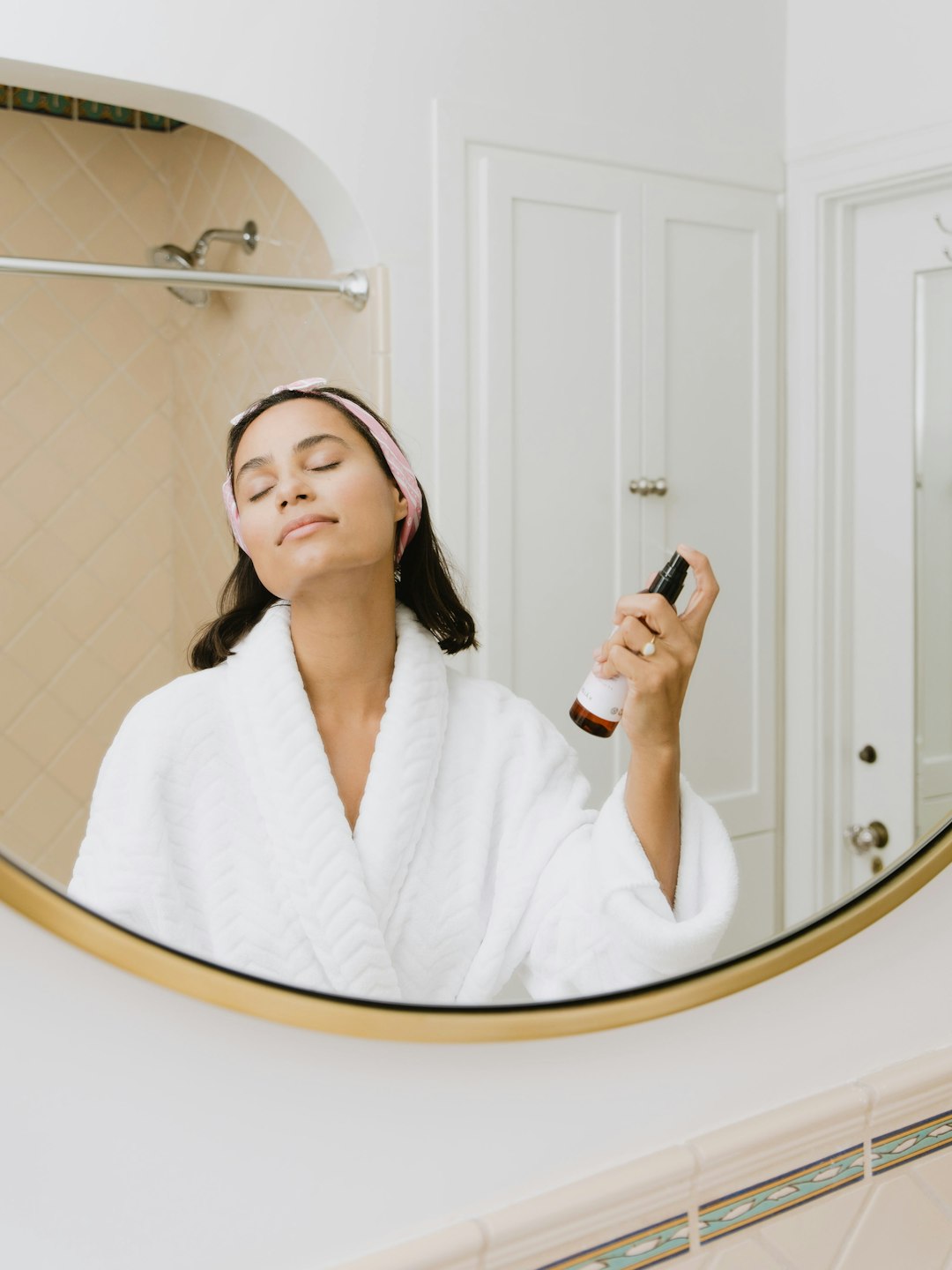
At the end of a long day, your skin is not asking for a complicated routine. It is asking for a clear signal that the day is over. How you dim the lights, wash your face, and let your shoulders drop sets the stage for the repair work your skin does overnight. If your evenings feel like a race to the pillow, your skin feels it too. You do not need ten steps or an hour of self-care theater. You need a short, repeatable wind-down that tells your body it is safe to switch from defense mode to recovery mode.
Think of your evening routine as a handoff. During the day, your skin defends itself from sun, pollution, makeup, sweat, and the general friction of being a person. At night, it shifts into maintenance: replacing what was lost, calming what got irritated, and rebuilding moisture. That shift does not happen just because the clock says ten. It happens when your body gets the memo. Lower the lights. Put your phone across the room. Stop answering one last email. Even five minutes of less stimulation helps your body move toward rest, and your skin follows.
Then cleanse—but cleanse like you mean it and then stop. If you wore sunscreen or makeup, take it off completely. A gentle cleanser and lukewarm water are enough for most nights. Warm, not hot, is the sweet spot. Hot water feels good for ten seconds and then leaves your skin tight and cranky. If you double cleanse, keep it kind: an oil or balm first if you need it, then a mild second cleanse. Your skin needs some of its natural oil to stay comfortable and resilient overnight.
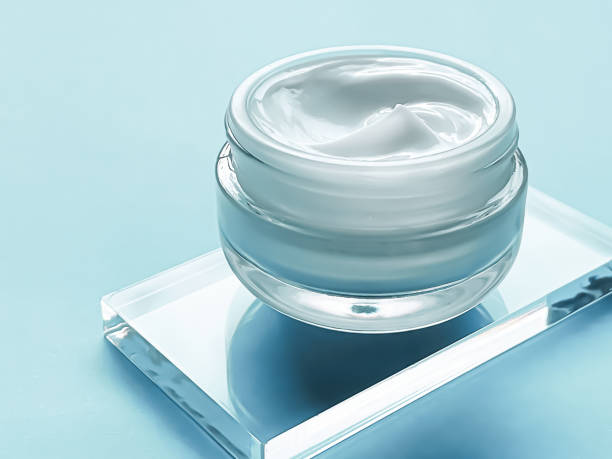
While your skin is still slightly damp, seal in water. This is when moisturizer works best. Look for a formula that feels good on your skin, not one that promises to change your life, just one you will actually use every night. If your skin is dry, choose something richer. If you are breakout-prone, choose something lightweight but still hydrating. Press it in with your palms instead of rubbing. That little pause, palms on cheeks, is part of the wind-down. It is a moment of contact that says, we are done for today.
Now think about what you are not doing. You are not layering five actives because you had a bad skin day. You are not using a strong exfoliant at eleven and hoping for the best. Evening is for recovery, not experimentation. If you use a stronger treatment, give it its own night and follow the instructions. More is not better. Consistency is better. Your skin repairs in a rhythm, and that rhythm loves repetition more than drama. That is how good skin actually happens.
Your bedroom matters too. A clean pillowcase is a simple upgrade. If you sleep on your side or stomach, you spend hours pressing your face into fabric that holds oil, drool, and leftover hair products. Change your pillowcase every few days. If you can, train yourself to sleep on your back. Even starting the night on your back gives your face a break from creasing. Keep the room cool and dark. A cool room helps you sleep deeper, and deeper sleep is when your skin does its best work. Small changes add up.
The last piece is the one most of us skip: put down the day. Stress shows up on your face. Not as a single wrinkle overnight, but as tension you carry in your jaw, your brow, your shoulders. Over time, that tension can leave its mark. So before you close your eyes, unclench. Take a slow breath in through your nose. Let it out longer than it came in. Relax your forehead. Relax your tongue from the roof of your mouth. This is basic maintenance for a body that has been holding it together all day.
Your evening wind-down does not need to be perfect. It needs to be repeatable. Cleanse, moisturize, cool room, clean pillowcase, a few minutes of quiet. Do that most nights, and your skin gets the one thing it really needs to recover: a consistent chance to rest. That is the routine that shows up in the mirror—not as a miracle, but as calm, comfortable, better-looking skin over time.