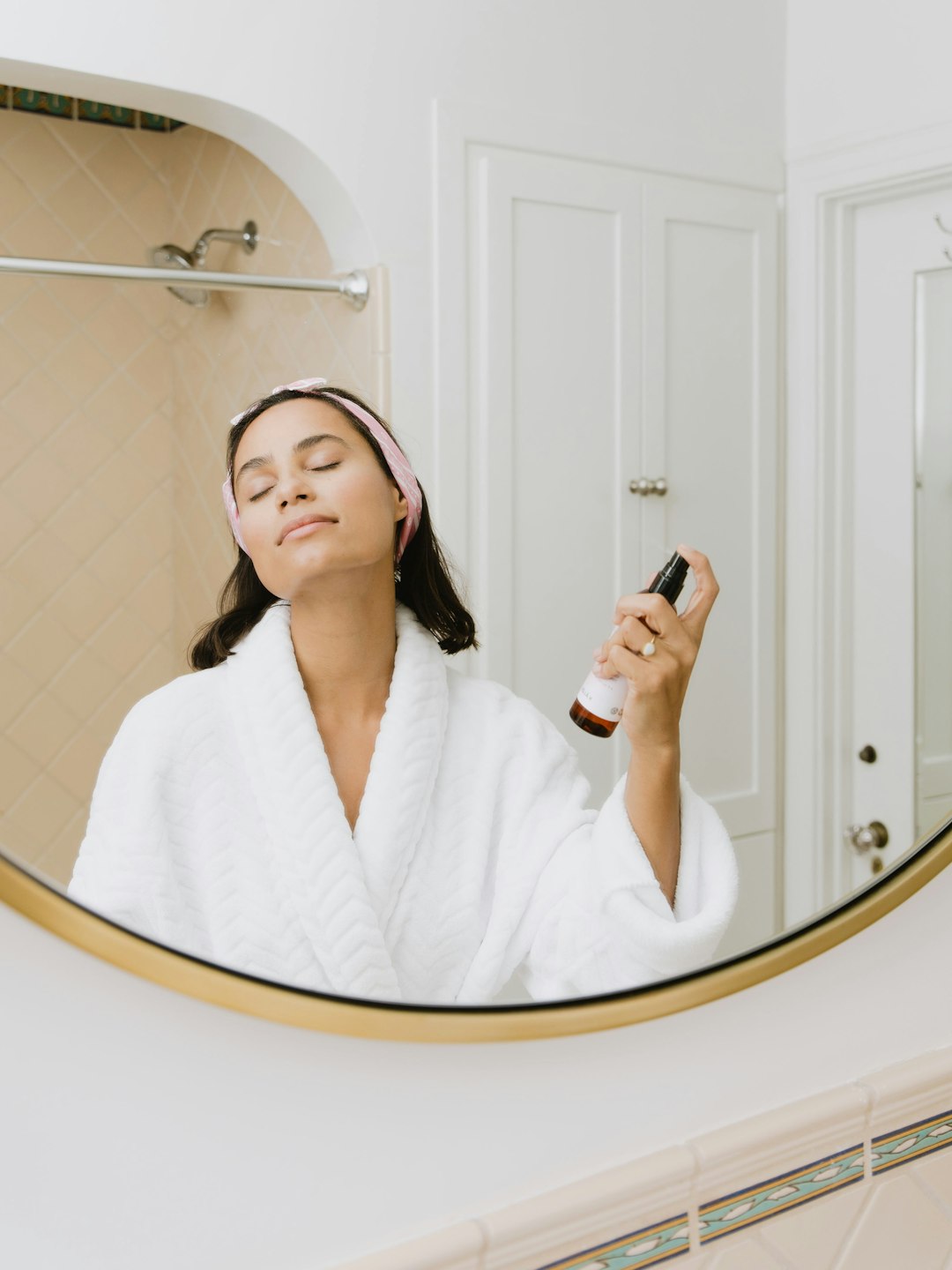
You already know that a good night’s sleep does wonders for your face. But here’s the part most people miss: it’s not just the sleep itself—it’s how you spend the thirty minutes right before your head hits the pillow. That transition from busy day to quiet night is when your skin decides whether it will spend the next seven hours repairing or just running on damage control. If you’ve been treating your evening routine like a rushed checklist, you’re basically sending your skin into the night with one hand tied behind its back.
Think about your average evening. Maybe you’re still answering emails while eating dinner, then you watch a stressful show, scroll through social media in bed, and finally wash your face with a wipe because you’re too tired to do anything else. Sound familiar? Your body doesn’t switch into repair mode just because you’re horizontal. It needs a clear signal. And that signal comes from how you wind down. When you stay mentally stimulated right up until the moment you close your eyes, your stress hormones stay elevated. Those hormones—especially cortisol—tell your skin to stay on alert. And skin that’s on alert doesn’t produce collagen as efficiently, doesn’t turn over dead cells as quickly, and doesn’t repair the day’s damage to your delicate facial tissues.
Here’s the good news. You don’t need an hour-long spa ritual or a shelf full of fancy gadgets. You need a simple sequence that lowers your stress response and lets your skin’s natural overnight recovery process actually start. Your skin cells have their own internal clock. They expect darkness, cooler temperatures, and a drop in stimulation. When you give them that, they get to work rebuilding the support structure that keeps your face looking smooth and firm. When you don’t, they get stuck in a half-alert state, and the fine lines you’re trying to prevent start settling in deeper.
Start by dimming your lights about thirty minutes before you want to fall asleep. Bright overhead lights are like a caffeine jolt to your brain, and your skin picks up on that tension. Switch to a lamp with a warm bulb or light a candle. This simple change drops your body’s arousal level, which instantly reduces the tension in your jaw, forehead, and around your eyes. You know how those little stress furrows feel after a long day? This is the moment they start to soften, and that’s exactly what you want before your anti-aging products go on. Because here’s the thing—your serums and creams work better when your face isn’t tight.
Then put your phone in another room. Not on airplane mode on your nightstand. In another room. The blue light from your screen tricks your brain into thinking it’s daytime, which delays the release of melatonin. That not only makes it harder to fall asleep, but it also blunts the quality of the repair work your skin does once you’re out. If you need to listen to something to wind down, pick a podcast that’s calm or a chill playlist. Let your eyes rest while your ears take over. While you’re at it, lower the temperature in your bedroom a couple of degrees if you can. Cooler air helps your skin retain moisture and keeps inflammation down, so you wake up looking less puffy and more refreshed.
Now, add a small face-focused ritual. Do this after you wash your face and before you apply your moisturizer or night cream. Take a second to press your palms against your cheeks and hold them there for a few slow breaths. Let the warmth of your hands settle your facial muscles. Then, using your ring fingers, gently trace from the corner of your eyes outward, as if you’re smoothing away the day. You don’t need pressure—just a light, deliberate touch. This tells your nervous system that your face is safe, and it also boosts circulation right where the first fine lines tend to appear. Do it while you apply your product, and you’ll turn a mundane step into a mini massage session.
The key is repetition. Your skin doesn’t care about a perfect wind-down once every few weeks. It cares about what you do consistently. Think of your evening routine as a nightly appointment with your future face. The more you lower your stress before bed, the more your skin can focus on rebuilding collagen and smoothing out the surface. You’ll start to notice that you not only sleep better, but your morning face looks more rested, dewier, and less creased. No harsh chemicals, no complex theories—just an honest, direct way to treat your skin the way it wants to be treated. So tonight, do one thing differently. Dim the lights earlier. Put the phone down a little sooner. And give your face the quiet, calm ending it’s been waiting for. Your skin will thank you in the morning.