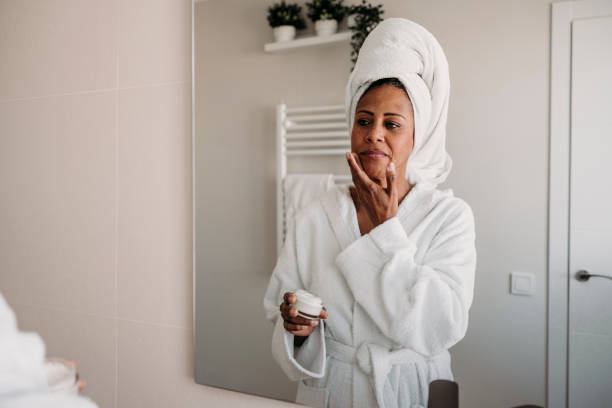
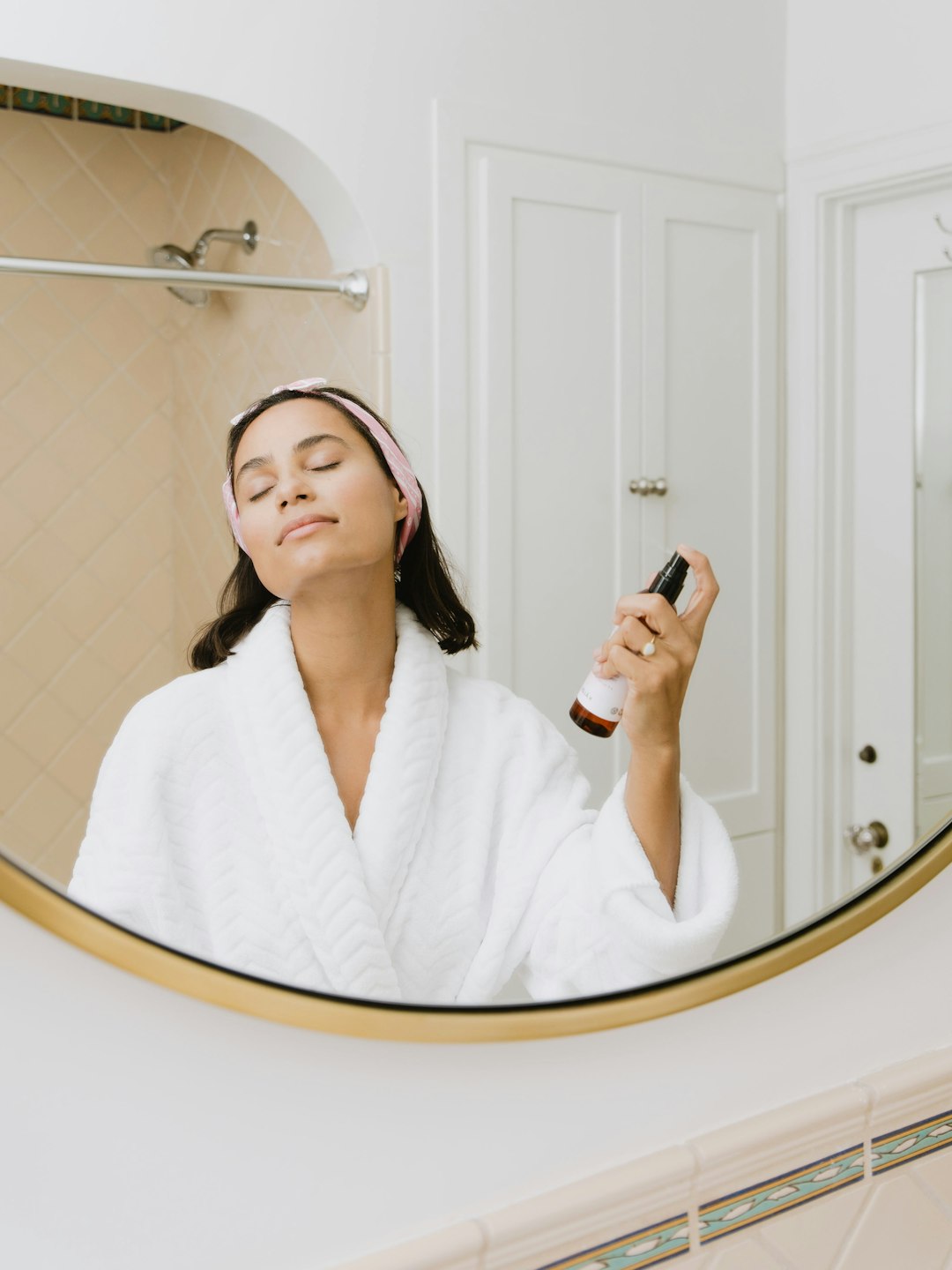
Your face gets the mirror time, but your chest is often the first place to spill the truth. The skin there is thinner than your cheeks, with fewer oil glands and less cushion. It spends more time exposed than you think. A V-neck in summer, a scoop neck at brunch, a low neckline at dinner—all of it adds up. Then you go to sleep, and the same delicate skin gets folded, pressed, and dragged for eight hours. That one-two punch is why chest wrinkles show up earlier than you expect and why they can be stubborn once they settle in.
Sun is the big one. Not just beach days. The walk to the car, the drive with the sunroof open, lunch outside. UV rays don’t need a special occasion. They reach the chest at an angle, often missed by the sunscreen you carefully rubbed into your face. Over time, that daily dose breaks down the skin’s support structure. The result is not a sudden line but a slow change: crepey texture, dark spots, fine lines that deepen into etched creases.
The fix is not complicated, but it is consistent. Treat your chest like your face. In the morning, after you moisturize, apply a broad-spectrum sunscreen with at least SPF 30. Don’t stop at your jaw. Go down your neck, across your chest, and over the tops of your shoulders. If your shirt has a lower neckline, that area needs its own pass. Reapply every two hours when you’re outside, and don’t skip cloudy days. If you’re driving, remember that side windows still let sun through. A lightweight scarf or a UPF layer can help when you don’t want to feel greasy. The goal is not to avoid the sun forever. It’s to stop the daily sneak attack.
Sleep is the other half of the story. You can’t control every toss and turn, but you can change the setup. Side sleeping is the usual suspect. When you sleep on your side, the top breast can press against the bottom one, creating a crease that stays in the same spot night after night. Stomach sleeping can flatten and fold the chest, too. If you wake up with a red line or a temporary dent that takes an hour to fade, that’s your skin telling you it spent the night in a bad position. Over years, those temporary marks can become permanent.
Training yourself to sleep on your back is the most effective move, even if it feels awkward at first. A pillow under your knees can keep you from rolling. A body pillow can help you feel supported if you’re used to curling up. If side sleeping is non-negotiable, try a soft bra or a fitted camisole that keeps your breasts from pressing together. A silk or satin pillowcase won’t magically erase wrinkles, but it creates less friction than cotton, so your skin isn’t tugged all night. You can also place a small pillow between your breasts to reduce compression.
Your nighttime skincare should support what you’re doing in the day. Wash away sunscreen and sweat with a gentle cleanser. While your skin is still damp, smooth on a moisturizer that feels rich enough for the chest but doesn’t clog. If you use a treatment for fine lines on your face, ask whether it can be extended to your chest. Many can, but the skin there may be more sensitive, so start slowly.
Think about your wardrobe, too. Tight, stiff necklines can rub and crease the chest. Loose, soft fabrics let skin breathe and move. When you’re in the sun, choose a higher neckline or a light layer. When you sleep, choose smooth fabrics and a position that doesn’t fold you in half. Small changes, done most days, are what protect the décolletage from the two things it faces most: sun and sleep.
The chest doesn’t need a miracle. It needs the same smart habits you already know, just extended a few inches lower. Sunscreen past the collarbone. A sleep position that doesn’t press. Moisture. A little attention. Do that, and you’ll protect the skin you’ll be showing off for years.