You check your face every morning for new lines and spots, but what about the skin just below your chin? The décolletage – your upper chest and neck area – is usually the last thing you think about and the first thing people see when you wear a V-neck. It’s also one of the most delicate zones on your body. The skin there is thinner than your face, has fewer oil glands, and gets exposed to the sun every time you step outside in a scoop-neck top. Add in the fact that you probably sleep on your side, and you’ve got a recipe for wrinkles that show up years before your face does.
Sun damage is the biggest offender. UVA rays, which are present year-round and even through clouds, penetrate deeply into the skin and break down collagen. Your face gets daily SPF because you know sun exposure causes wrinkles. Your chest? Maybe not. A quick swipe of sunscreen on your face in the morning, and that’s it. Meanwhile, your chest is soaking up the same rays while you commute, walk the dog, or sit by a café window. The fix is simple: make SPF part of your chest routine, not an extra. Choose a lightweight sunscreen that doesn’t feel greasy, and apply it generously from collarbone to cleavage line. Reapply if you’re outdoors for more than two hours.
Now for sleep wrinkles. If you’re a side sleeper, you know those creases that appear across your chest when you wake up? They’re not just temporary. Each night, your chest skin gets pressed against the mattress, bending and folding in the same spots. Over time, those folds become etched in. This is called a sleep crease, and it’s a major cause of vertical chest wrinkles that don’t go away. The most effective way to prevent them is to sleep on your back. But if you simply can’t stay on your back all night – and many of us can’t – try using a firmer pillow or a specialty pillow that supports your side without compressing your chest. A silk or satin pillowcase also reduces friction, so the skin slides instead of bunching up.
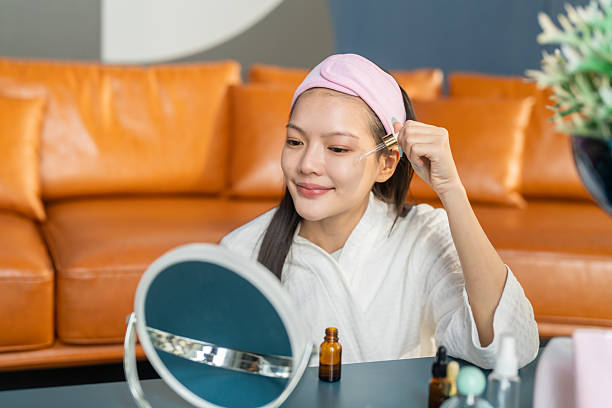
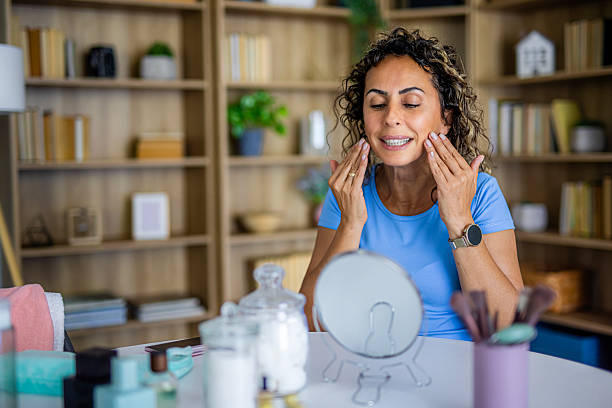
Your chest needs a skincare routine, and it’s surprisingly easy. At night, cleanse the area with the same gentle face wash you use on your face. Then apply a moisturizer packed with ceramides to strengthen that thin skin. If you want to tackle existing fine lines, introduce a retinol product – start with a low percentage and use it only two or three nights a week. Retinol helps speed up cell turnover, which smooths out dullness and softens wrinkles. In the morning, after cleansing and moisturizing, don’t forget that SPF. You can also layer a vitamin C serum under your sunscreen – vitamin C is a powerful antioxidant that helps protect against sun damage and brightens those pesky brown spots.
There are a few lifestyle tweaks that go a long way. Pay attention to your posture. Hunching shoulders create deep creases in your chest, the same way they give you a tech neck. When you catch yourself slouching at your desk or over your phone, roll your shoulders back and down. This not only improves your posture but also reduces the pressure on your chest skin. Hydration matters too, but drinking eight glasses of water alone won’t erase wrinkles – it’s more about keeping your skin from looking parched. Pair your water intake with a humidifier in your bedroom to keep the air from drying out your skin overnight.
Finally, treat your chest like the precious real estate it is. When you buy a new face mask, pat the excess serum onto your chest. When you pick an outfit, think about sun protection – a silk scarf or a lightweight linen top with a higher neckline can give your chest a break during peak sun hours. You don’t need to wrap yourself in a turtleneck, just be a little more aware. The goal isn’t perfection; it’s to stop adding new damage. With a few simple changes to your daily routine, you can keep your chest looking as smooth and healthy as your face. And that means the next time you glance in the mirror, you won’t have to look away.