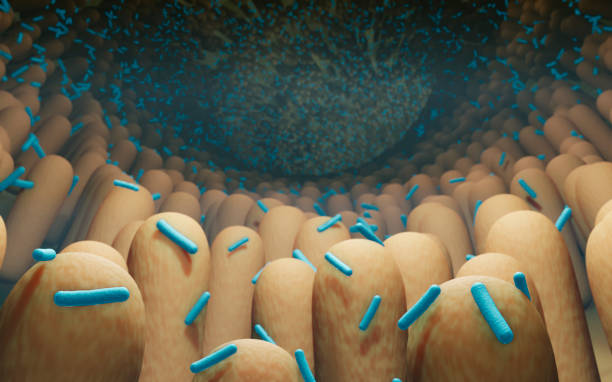
As we look toward the landscape of skincare in 2025, one dominant trend rises above fleeting ingredients and high-tech devices: the shift toward hyper-personalization, fundamentally rooted in a sophisticated understanding of the skin microbiome. This movement represents a paradigm shift from a one-size-fits-all approach to acne management toward treatments as unique as the individual’s biological fingerprint. The biggest trend is no longer a single product, but a holistic, data-driven strategy that leverages advanced diagnostics to balance the skin’s ecosystem, targeting acne at its source with unprecedented precision.For decades, acne treatments have largely operated on general principles: reduce oil with retinoids, kill bacteria with benzoyl peroxide, or ease inflammation with salicylic acid. While effective for many, this blanket approach often leads to a frustrating cycle of trial and error, damaged skin barriers, and antibiotic resistance. The revolution for 2025 lies in moving beyond treating the symptom—the pimple—to addressing the individual’s unique pathogenic landscape. Central to this is the skin microbiome, the complex community of bacteria, fungi, and viruses that reside on our skin. Research has conclusively shown that acne is not merely the presence of C. acnes bacteria, but an imbalance in the microbial diversity, where certain strains proliferate and trigger inflammatory responses. The future of treatment, therefore, focuses on restoring this balance rather than indiscriminately sterilizing the skin.This is where hyper-personalization comes into play. The trend is being powered by accessible at-home microbiome testing kits and in-clinic advanced genomic analysis. By taking a simple skin swab, individuals can now receive a detailed report of their unique microbial composition. This data becomes the blueprint for a truly customized regimen. In 2025, we will see the rise of bespoke skincare formulas, where topical serums and creams are compounded with specific prebiotics, postbiotics, and targeted actives designed to suppress problematic strains while nourishing beneficial ones. Imagine a probiotic topical that introduces calming microbial species to your skin, or a phage therapy that precisely targets only the inflammatory C. acnes strains, leaving the healthy microbiome intact. This level of specificity minimizes collateral damage, strengthens the skin barrier, and promotes long-term resilience.Furthermore, this personalized approach extends beyond topicals. Dermatologists and skincare experts will increasingly integrate microbiome data with other personal metrics—such as genetic predispositions, hormonal levels analyzed through at-home hormone tests, lifestyle factors, and even dietary habits—to build a comprehensive acne management protocol. Treatment plans may include personalized nutritional advice to reduce internal inflammation, stress-management recommendations tailored to cortisol impact, and prescription medications chosen based on genetic markers for drug efficacy. The line between dermatology, wellness, and biotechnology will blur, creating a fully integrated model of care.In conclusion, the most significant trend in acne treatment for 2025 is the move from generalized solutions to an era of hyper-personalized, microbiome-centric medicine. It is a trend that champions the individuality of skin, acknowledging that the path to clarity is as unique as one’s DNA. This evolution promises not only more effective and sustainable results but also a more compassionate and scientific approach to a condition that affects millions. The future of clear skin is not found in a single miracle ingredient on a shelf, but in a personalized report that unlocks the secret to balancing your skin’s unique ecosystem, making truly targeted, effective, and gentle acne care a reality for all.