The human face is a canvas of expression, identity, and vitality, and the
cheeks play a starring role in this presentation. They frame our smiles, lift our expressions, and contribute significantly to our perceived youth and health. Yet, in the pursuit of beauty, health, or simply through daily habit, a single, pervasive mistake overshadows all others in cheek care: the relentless pursuit of hollowed or excessively sculpted cheeks, often at the expense of facial volume and natural harmony. This fundamental misunderstanding of facial aesthetics and anatomy leads to a cascade of unintended consequences, from prematurely aged appearances to an unnatural, strained visage.For decades, prominent cheekbones have been held as a gold standard of beauty, a sign of definition and structure. This ideal, heavily promoted by fashion photography and digital media, has driven many to seek a chiseled look at any cost. The mistake is not in appreciating good bone structure, but in believing that to highlight the bones, one must eliminate the soft tissue that gracefully covers them. People make this error through extreme dieting, overzealous contouring with makeup, or seeking invasive procedures that remove fat without consideration for the overall facial landscape. The cheek is not an isolated plateau; it is a central pillar of the midface, seamlessly connected to the temples, under-eyes, and mouth. Stripping it of its natural padding disregards this interconnected architecture.The consequence of this volume loss is a face that appears older and more fatigued, not more refined. Youthful
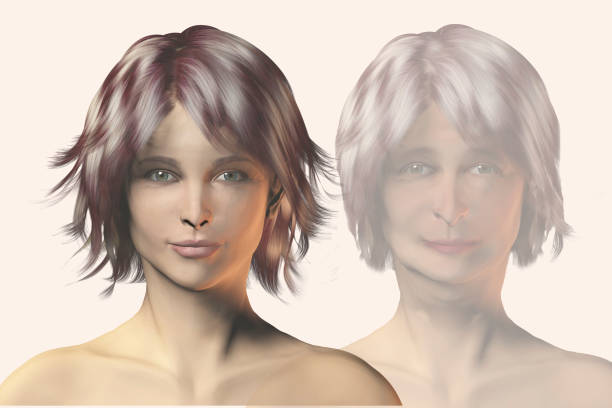
cheeks are characterized by a gentle, full curve that creates a smooth transition from the eye to the jaw. When subcutaneous fat—which naturally diminishes with age—is aggressively removed or starved, the skin loses its supportive foundation. This can lead to a drawn appearance, the accentuation of nasolabial folds, and the emergence of shadows under the eyes. Instead of the desired high, sharp cheekbone, the result is often a midface that looks deflated, pulling the entire face downward and replicating the very signs of aging many seek to avoid. The irony is profound: in trying to achieve a sculpted ideal, people inadvertently accelerate the visual timeline of their face.Furthermore, this mistake extends beyond the physical into the realm of expression. Our
cheeks are essential for non-verbal communication. They lift when we genuinely smile, crinkle in laughter, and soften in moments of compassion. An over-sculpted, volumeless cheek can appear immobile and rigid, creating a barrier to authentic expression. The face can take on a perpetually sharp or severe look, even when at rest, which can be perceived as unapproachable or cold. The natural light reflection that comes from the gentle roundness of a healthy cheek is replaced by stark highlights and dark contours, which can be visually jarring and unmistakably artificial.The correction for this widespread error is a shift in perspective: from one of reduction to one of balance and support. Modern aesthetic medicine now emphasizes a “less is more” approach, focusing on strategic replenishment rather than removal. The goal is to restore or maintain a harmonious volume that supports the skin from within, creating a refreshed and natural lift. In daily routines, this translates to using makeup to enhance rather than reinvent—opting for a touch of blush on the apples of the
cheeks to mimic a healthy flush, rather than heavy, dark contour meant to create shadows that do not exist. It means nourishing the skin with hydrating products that support the skin barrier and recognizing that a healthy glow from proper nutrition and hydration contributes more to beauty than any sharp angle.Ultimately, the biggest mistake with our
cheeks is treating them as a feature to be carved in stone, rather than a living, integral part of our expressive and dynamic humanity. True beauty in the
cheeks lies not in stark definition, but in the vitality, softness, and light they bring to the human face. By embracing the natural volume and function of our cheeks, we preserve not only a more youthful appearance but also the authentic warmth and expressiveness that define our connection to others.