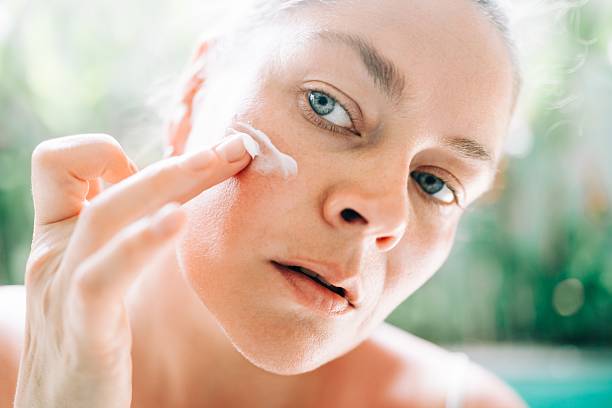
Crow’s feet are not a mystery. They are expression lines—the little creases that show up when you smile, squint, or laugh—and they live in the thinnest, most mobile skin on your face. That skin deserves delicate care, but most of us treat the eye area like an afterthought. We sweep moisturizer near it, tap on concealer, and then send it into the day with almost no sun protection. If you want to prevent crow’s feet from deepening, start with the step you are probably skipping: sunscreen around your eyes.
The sun is ruthless around the eye area. It reaches the skin from above, from the side, and even through cloud cover. That delicate skin has fewer layers to buffer the damage, and it moves constantly. Every smile and squint is normal. Sun exposure makes those natural expression lines look sharper and more permanent over time. You do not need to fear the sun or hide indoors. You need a realistic habit that protects the eye area without irritation, blurry vision, or a greasy film that ruins your makeup.
The first trick is choosing a sunscreen your eyes can tolerate. Many women avoid eye-area sunscreen because it stings, migrates, or makes their eyes water. That is not a sign to give up; it is a sign to change the formula. Look for a gentle, broad-spectrum sunscreen with a smooth finish. If lotions creep into your eyes, try a stick formula made for the face and glide it along the bony rim around your eye—not directly on the lid. A small amount is enough. You are not frosting a cake. You are covering the area where crow’s feet sit, plus the upper cheek and brow bone where sun hits hardest.
Application matters more than the bottle. Most people put sunscreen on the center of the face and stop before the hairline and eye area. Start with your cheekbones and tap outward, then press a thin layer along the outer corners of your eyes where the lines gather. Use your ring finger, because it is naturally lighter. Do not drag or rub. Pat. Let it set for a minute before foundation or concealer. If your makeup pills, use less moisturizer underneath or choose a sunscreen that doubles as a makeup primer. The goal is a layer you will actually wear every day, not a perfect routine you abandon by Wednesday.
Reapplication is where smart women get practical. You do not need to redo your whole face at lunch. Keep a sunscreen stick in your bag and swipe it along the outer eye area and cheekbones before you walk outside. If you wear makeup, use a stick with a clear or sheer finish and tap it on with your fingers. If you are outdoors for hours, wear sunglasses with proper coverage and a hat. Sunglasses are not just an accessory; they reduce squinting, which is one of the main reasons those expression lines show up so clearly. Choose a pair that sits close to your face and covers the sides. Hats with brims add shade without any effort.
At night, keep the eye area calm. Use a gentle cleanser and remove sunscreen and makeup without scrubbing. A simple moisturizer or eye cream can cushion the skin, but do not pile on strong products just because you see lines. Crow’s feet are delicate. Harsh scrubs, rough makeup removal, and too many products can leave the area dry and irritated, which makes every line look louder. Smooth, hydrated skin reflects light and looks softer. That is not magic; it is just careful care.
The real payoff comes from consistency. One day of sunscreen will not erase crow’s feet, and one missed day will not ruin your face. But daily protection around the eyes is the quiet habit that keeps expression lines looking like expressions—not like permanent etchings. The best routine is the one that feels almost boring, because boring routines are the ones you repeat. You already smile, squint, and laugh. Protect the skin that makes those faces. Your future self will see the difference in the mirror, especially when she is still wearing the same favorite sunglasses and the same easy routine.