You’re scrolling through your phone right now, and unless you’re in a very brightly lit room, you’re probably doing it. Squinting. That tiny, unconscious squeeze of your eye muscles that helps you focus on the screen. It feels like nothing, lasts a few seconds, and then you forget about it. But do that a few hundred times a day, every single day, and you’re basically ironing creases into the most delicate skin on your body. The skin around your eyes is already thin and vulnerable. When you squint, you bunch it up over and over, in exactly the same spots. And those spots become lines. Then those lines become grooves. By the time you’re in your late forties, you’re wondering why crow’s feet look like permanent ink, when they actually started as a habit you could have stopped in your twenties.
The good news? You don’t need a clinic or a magic cream to fix this. Early intervention means catching the squint before it turns into something deeper. And it all starts with noticing why you’re squinting in the first place. You squint for three reasons. One: there’s too much light. Two: there’s not enough light or something is too small to read. Three: you’re just zoned out and your face defaults to that tight, focused expression. Let’s tackle each one, because the solutions are stupidly simple.
First, too much light. This is the easiest fix, and I’m not talking about sunscreen (though you should wear that every damn day). I’m talking about sunlight hitting your eyeballs directly. When you walk outside without sunglasses, you narrow your eyes into slits as a protective reflex. That reflex is great for your vision, terrible for your this area. So buy multiple pairs of sunglasses. Keep one in your car, one in your bag, one on your desk. Not expensive ones, just ones you’ll actually grab. Anytime you feel that glare, put them on. Stop punishing your eyes with squinting when a $10 pair of shades would save your skin.
Second, you’re straining to see something close up. That tiny font on a restaurant menu, the fine print on a label, a text from your friend that’s slightly blurry because your old screen protector has a scratch. Instead of bringing the item closer or turning on a lamp, you lean in and squint. That squint chases the detail, but it also folds your skin between your brows and pushes your cheekbones up. Over time, that becomes the dreaded “11” lines between your eyebrows, plus extra creases under your lower lashes. Here’s the early intervention secret: adjust the environment, not your face. Turn on a reading light. Enlarge the font on your phone to something your grandmother would use. Get a cheap pair of reading glasses if you’re over forty and things start to blur. Yes, you might feel silly wearing them, but feeling silly is better than looking permanently squinted.
Third, the stress squint. You’re not trying to see anything. You’re just thinking hard, or annoyed, or concentrating on a spreadsheet. Your eyes narrow automatically because your whole face teams up to “look serious.” This is the nastiest kind because you don’t even realize you’re doing it. You could be sitting in a quiet room with perfect lighting, daydreaming about your weekend, and still have your face scrunched up like you’re staring into the sun. Catch yourself right now. Is your forehead smooth? Are your eyebrows relaxed? Or are you slightly frowning without knowing it? If you’re like most people, you’re a little tense. That’s fine. The point is to build a little habit of checking in.
Set a reminder on your phone for every couple of hours. When it goes off, glance at your reflection in the screen or use the front camera. Consciously lift your eyebrows high, then let them drop. Open your eyes wider than normal for a second. That resets the muscles. Do this consistently for a week, and you’ll start squinting less on autopilot. You won’t become a blank-faced robot, you’ll just stop making that unnecessary tight face that has zero benefit for you.
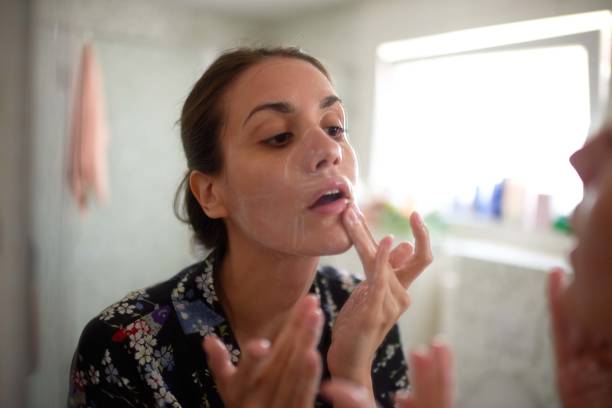
And here’s where early intervention gets a bit more physical. Even with awareness, you’ll still squint occasionally. That’s okay. What matters is that your skin stays resilient enough to bounce back. Twice a day, after cleansing, pat a light layer of moisturizer around your eye area. Then add a sunscreen that doesn’t sting your eyes. The combination keeps that thin skin hydrated and protected because sun damage makes squint lines ten times worse. When your skin is supple, it won’t hold onto every fold you make. When it’s dry and weakened, those squint creases start to set like concrete.
You don’t need to buy fancy “anti-aging” gadgets. You need to break a simple habit. Every time you catch yourself squinting, do a quick fix: blink slowly, loosen your jaw, and imagine your face melting into a calm, flat state. It sounds silly, but it works. And unlike invasive treatments, this one costs zero dollars and takes zero recovery time. You just have to care enough to stop yourself mid-scrunch.
Here’s the thing nobody tells you: facial lines don’t come from aging. They come from repetition. You’ve been squinting since you were a kid looking for a lost toy under the sofa. The problem is now you have decades of that repetition under your belt. But you also have something you didn’t have in your twenties: the understanding that every habit shows up on your face sooner or later. So use that smart brain of yours. Wear the sunglasses. Turn on the lamp. And for heaven’s sake, relax your forehead. Your future fifty-year-old self will thank you.