If you have ever looked in the mirror and noticed a fine line creeping in around your eyes or mouth, you are not alone. Most of us want to keep our skin looking smooth and young for as long as possible. And when you start looking for help, you will hear a lot about two big players: retinol and sunscreen. A lot of women think they have to pick one or the other. But here is the truth: these two work best as a team. You really need both if you want to stop wrinkles before they start.
Let’s talk about retinol first. Retinol is a form of vitamin A that your skin loves. It helps speed up the way your skin cells turn over, which is a fancy way of saying it pushes fresh, new cells to the surface. Think of it like a gentle scrub from the inside. When you use retinol regularly, it helps soften fine lines, even out your skin tone, and make your skin feel firmer. It also boosts collagen, which is the stuff that keeps your skin plump and bouncy. As we get older, our collagen production slows down, and that is where wrinkles start to show up. Retinol helps your body make more of it.
But here is the catch. Retinol can make your skin more sensitive to the sun. When you first start using it, you might notice some redness, dryness, or even peeling. That is normal, but it also means you are more likely to get sun damage if you step outside without protection. And sun damage is the number one cause of premature wrinkles. You could be using the best retinol in the world, but if you skip sunscreen, you are basically undoing all that hard work.
That is where sunscreen comes in. Sunscreen is your daily shield. It blocks the ultraviolet rays that break down collagen, cause dark spots, and make fine lines deeper. You have probably heard that you should wear sunscreen every single day, even when it is cloudy or you are just running errands. That is because those rays come through windows and through clouds. They are sneaky. A good sunscreen with at least SPF 30, and one that says “broad spectrum” on the label, will protect you from both UVA and UVB rays. UVA rays are the ones that age you, and UVB rays are the ones that burn you. You need protection from both.
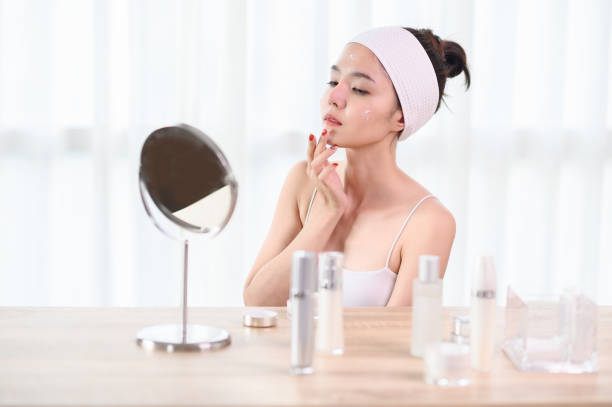
Now, you might be wondering, how do I use these two together without messing up my skin? It is simpler than you think. The best routine is to use retinol at night and sunscreen during the day. Retinol works best when your skin is repairing itself while you sleep, and it does not like sunlight anyway. So put your retinol on after you wash your face at night, and then follow up with a good moisturizer. In the morning, wash your face, put on a moisturizer with sunscreen, and you are ready to go. If you want to use a separate sunscreen, that is fine too. Just make sure you put it on as the last step in your morning routine, before your makeup.
A common mistake is thinking you can skip sunscreen on days you are mostly indoors. But think about it: you sit near a window at work, you walk to your car, you grab coffee outside. Those little moments add up. The sun damage you get from everyday exposure is actually more harmful than the occasional day at the beach, because it happens all the time. So make sunscreen a habit, like brushing your teeth.
Another thing to keep in mind is that you do not need to start with a strong retinol. If you have never used it before, start with a low strength, like 0.25% or 0.3%. Use it only two or three times a week at first. Give your skin time to get used to it. Over a few weeks, you can slowly increase how often you use it. And always wear sunscreen the next day. Even if you only used retinol the night before, your skin is still more sensitive for a few days.
Some women worry that retinol and sunscreen together will make their skin feel sticky or heavy. But today there are lightweight sunscreens that feel like moisturizers and do not leave a white cast. You can find one that works for your skin type, whether you are oily, dry, or combination. And retinol comes in serums and creams that absorb quickly. So you do not have to feel like you are wearing a mask.
The bottom line is simple. Retinol and sunscreen are not enemies. They are partners. Retinol helps your skin repair and renew itself. Sunscreen protects that hard work from being ruined by the sun. If you only do one, you are leaving results on the table. But when you do both, you give your skin the best chance to stay smooth, firm, and young-looking for years to come. Start small, be consistent, and your future self will thank you.