You know that slightly grimy feeling you get on your face after a long commute through stop-and-go traffic? That lingering film isn’t just city dust. It’s a mix of exhaust particles, heavy metals, and other airborne junk that settles into your skin like uninvited guests at a dinner party. And unlike the smudge on your car windshield, this stuff doesn’t just sit there. It works its way into your pores, triggers a chain reaction of stress, and over time, does the one thing you really don’t want: it makes you look older than you are.
Think of your skin barrier like a brick wall. It’s designed to keep moisture in and irritants out. But pollution particles are like tiny wrecking balls. They land on the surface and, thanks to their microscopic size, they can slip between the bricks. Once they’re in, they start generating oxidative stress. That’s a fancy way of saying they create unstable molecules that bump into your healthy collagen and elastin—the proteins that keep your skin plump and springy—and damage them. The result? Fine lines appear sooner, under-eye circles look darker, and that fresh “just slept eight hours” glow gets traded for a dull, tired finish. Yes, even if you never skip your moisturizer.
Here’s the thing: you don’t have to move to the countryside to protect your face. You just need to be a little more deliberate about your routine. Because while you can’t control the air around you, you absolutely can control how your skin responds to it.
Start with cleansing. Not just any splash of water. When you’ve been out in an urban environment, your skin is carrying more than the day’s makeup and sweat. It’s carrying a layer of pollution that needs to be properly removed. This is where a double cleanse comes in. First, use an oil-based cleanser or a cleansing balm. Rubbing it over your face helps break up the oily, stubborn particles that cling to your skin’s natural sebum. Then follow with a gentle water-based foaming or gel cleanser to wash everything away. This two-step approach isn’t about being extra—it’s about genuinely lifting off the grime before it has a chance to sink in. If you only ever use a makeup wipe, you’re leaving a good amount of pollution behind.
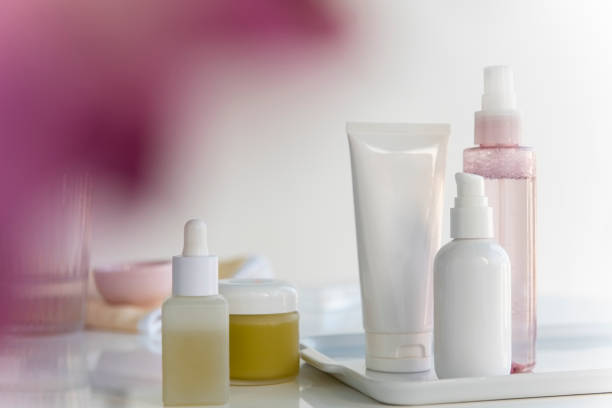
Next, think about adding a serum that gives your skin some backup. Vitamin C is your best friend here. Not because it’s trendy, but because it’s a proven defender. When pollution particles create that oxidative stress, vitamin C steps in and neutralizes the damage before it reaches your collagen. It’s like having a bodyguard for your skin cells. Apply a few drops of a vitamin C serum every morning, right after cleansing and before your moisturizer. Look for one with stable vitamin C (often listed as ascorbic acid or sodium ascorbyl phosphate) and use it consistently. The effects aren’t instant, but after a few weeks, you’ll notice your skin looks brighter, more even-toned, and less reactive to the day’s gunk.
Sunscreen is non-negotiable. You’ve heard this before, but here’s the pollution twist: UV rays and pollution actually work together to age you faster. Sun exposure weakens your skin barrier, which makes it easier for pollution particles to get in. And pollution makes your skin more sensitive to UV damage. It’s a double whammy. So that daily SPF 30 or higher isn’t just protecting you from sunspots—it’s also creating a literal physical shield that makes it harder for those microscopic particles to attach. Choose a moisturizer or primer with built-in SPF to keep it simple, and reapply if you’re outside for hours. Even on gray days, pollution is still in the air, and UV rays still get through clouds.
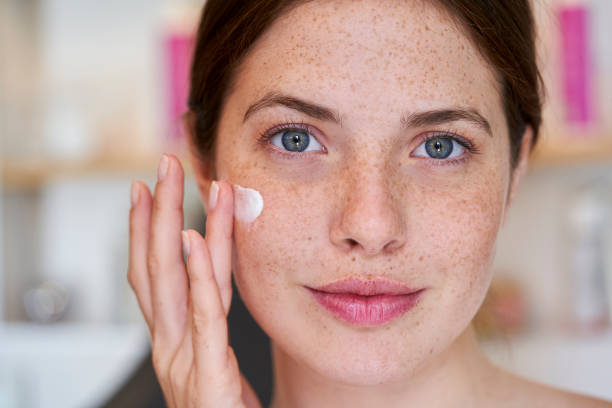
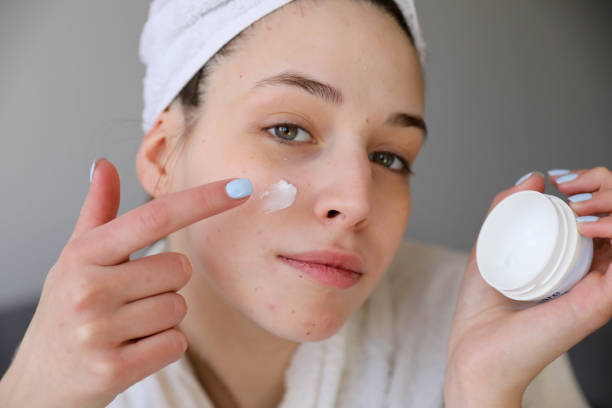
Before you head out, consider a thin layer of a protective moisturizer or barrier cream. These products are designed to sit on top of your skin and act like a temporary cover. Think of it as a raincoat for your face. Ingredients like ceramides, squalane, or even a simple silicone-based primer can create a smoother surface that pollution particles slide off of rather than embed into. If you wear foundation, you’re already halfway there—makeup acts as a physical barrier too. Just make sure you’re removing it fully at night, which loops back to that double cleanse.
Also, don’t forget your night routine sends a repair crew in after the onslaught. At night, swap your serum for one with niacinamide or a peptide-based formula. These help your skin recover and rebuild that barrier while you sleep. And keep your face hydrated inside out—drink water, yes, but also consider a humidifier if your bedroom air is dry. Well-hydrated skin is more resilient skin. It wrinkles less easily and bounces back faster from daily stresses.
Finally, be smart about your environment. If you can, avoid walking directly next to busy roads during rush hour. On high-pollution days, you can check the air quality index on your phone just like you check the weather. When it’s particularly bad, a wide-brimmed hat isn’t just a style choice—it provides shade for your face and cuts down on the amount of particles that land on your skin. And while it might sound over-the-top, some women swear by the bare minimum of just not touching your face throughout the day. Every transfer from your fingers adds a little extra oil, dirt, and whatever you’ve picked up along the way.
The takeaway is simple. Pollution is a real, invisible accelerant for wrinkles. But you’re not powerless. By cleaning properly, adding a vitamin C serum, wearing SPF daily, and giving your skin a fighting chance with moisturizing and barrier support, you can keep your face looking younger for longer—no matter where you live. Your skin doesn’t need a miracle. It just needs a plan.