You walk out the door, and within minutes, your skin is in a fight it didn’t sign up for. Exhaust from buses, smoke from someone’s cigarette, dust from a construction site—these tiny specks land on your face and stay there. You can’t see them, but your skin can feel them. That’s why pollution is one of the most underrated causes of dullness, clogged pores, and early lines. You don’t need a complicated routine or a cabinet full of expensive products. You need a few smart habits.
Pollution doesn’t just sit on top of your skin. The smallest particles can slip into your pores and mix with your natural oil, sunscreen, and makeup. That can lead to blackheads, rough texture, and a grayish cast that makes you look tired even when you slept eight hours. Over time, the constant exposure can weaken your skin’s natural support system. Think of it like walking through a city all day in the same outfit—by evening, you’d want to change. Your skin wants the same courtesy.
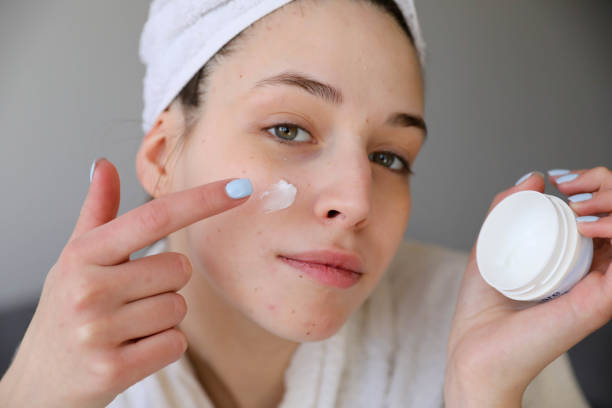
The first move is a proper evening cleanse. Not a harsh scrub. Not five different cleansers. A gentle, thorough wash that removes the day. If you wear sunscreen or makeup—and you should wear sunscreen—start with a micellar water or a cleansing oil to break everything down. Then follow with a mild gel or cream cleanser. Use lukewarm water, not hot. Pat dry. Your goal is clean skin, not squeaky, tight, uncomfortable skin. If your face feels stripped, you’ve gone too far. A damaged outer layer lets pollution in more easily, which is the opposite of what you want.
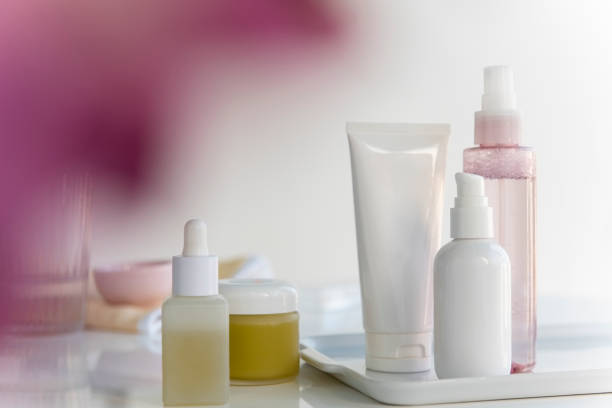
In the morning, think defense. A vitamin C serum is a smart choice because it helps skin stand up to the day’s exposure. It can brighten and even out tone over time. Apply it after cleansing and before moisturizer. If your skin is sensitive, start a few times a week. Then moisturize. A good moisturizer doesn’t just feel nice; it helps seal your skin’s outer layer so irritants have a harder time getting in. And never skip sunscreen. Sun and pollution are a terrible team. The sun weakens your skin’s defenses, and pollution piles on. A sunscreen with SPF 30 or higher is non-negotiable, even on cloudy days, even in winter, even if you’re mostly indoors near windows.
During the day, you can’t hide from the world, but you can reduce the buildup. If you’re outside in a city, try not to touch your face. Your hands collect everything. Reapply sunscreen if you’re outdoors for more than two hours. Wear sunglasses and a hat—not just for sun, but to keep windblown dust and grit off your delicate eye area. At home, clean your phone screen regularly. It touches your cheek more than you think. Change your pillowcase every few days. Wash your makeup brushes. These small moves keep pollution from getting a free overnight stay.
Don’t forget indoor air. Cooking fumes, candles, and even office printers can add to the mix. Run a vent while cooking. Open a window when you can. If you live in a high-pollution area, a quality air purifier in your bedroom can make a difference while you sleep, which is when your skin does its best repair work. And speaking of sleep, don’t underestimate it. Lack of sleep shows up as dark circles, dullness, and more visible lines. Your skin repairs itself overnight, so give it the chance.
Your diet and lifestyle matter too, but keep it simple. Colorful fruits and vegetables, plenty of water, and less alcohol and smoking all help your skin look healthier. You don’t need a fancy cleanse or a strict plan. You need steady, boring consistency. Wash your face after you sweat. Don’t let sweat and pollution sit together.
Finally, be patient. Pollution damage doesn’t happen overnight, and neither does repair. You won’t see a difference in one day. But after a few weeks of gentle cleansing, morning protection, and evening removal, you’ll notice your skin looks clearer, brighter, and more even. The goal isn’t perfect skin. It’s resilient skin. The kind that can handle a busy day in the real world and still look like you. Your skin routine should be the easy part.