Hyaluronic acid gets called a magic ingredient, but it isn’t magic. It’s a water magnet. When it has water to hold, it plumps up the surface of your skin and makes fine lines look softer. When it doesn’t, it can leave your face feeling tight and dry. The difference between a product that works and one that doesn’t usually comes down to how you use it.
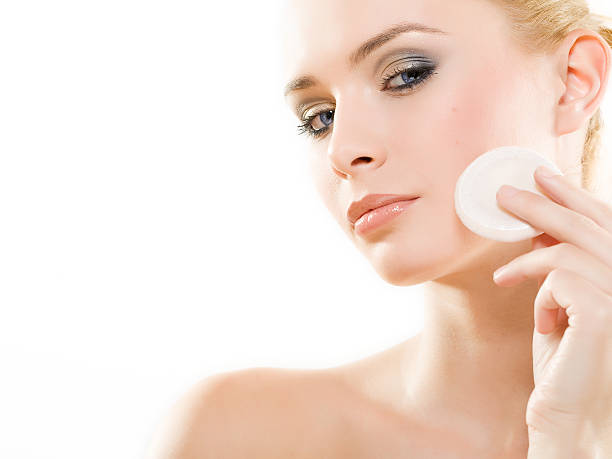
The first rule is simple: apply it to damp skin. After you cleanse, don’t towel your face until it’s bone dry. Leave it slightly wet. A little water gives hyaluronic acid something to grab onto. Put a few drops of serum in your palms, press it into your cheeks, forehead, chin, and neck, then pat gently. Don’t rub. If your skin feels dry, splash it with lukewarm water or use a hydrating mist.
The second rule matters just as much: seal it in. Hyaluronic acid pulls water to the surface, but it can’t keep that water there forever. If you stop at serum, the water evaporates, and your skin can end up feeling drier than before. Follow with a moisturizer that suits your skin type. If you’re oily, a lightweight gel cream works. If you’re dry, go richer. You need a cream that feels comfortable and locks in the water you just added. Think of hyaluronic acid as the sponge and moisturizer as the lid.
Environment plays a bigger role than most people admit. In humid weather, hyaluronic acid is easy to love. It grabs moisture from the air and your skin looks bouncy within minutes. In dry winter air or aggressive office air conditioning, it needs backup. Mist first, apply serum, and follow with a heavier cream. At night, a humidifier can make a real difference. You don’t need to live in a rainforest. You just need to stop asking one ingredient to do the work of three.
Layering is where smart routines get better. In the morning, cleanse gently, apply hyaluronic acid to damp skin, add moisturizer, and finish with sunscreen. If you use vitamin C, apply it before your moisturizer. At night, use hyaluronic acid before or after a treatment like retinol, depending on how your skin feels. If retinol makes you flaky, hyaluronic acid can cushion the dryness. If you use exfoliating acids, keep the rest of your routine calm and hydrating. The goal is balance, not a ten-step contest.
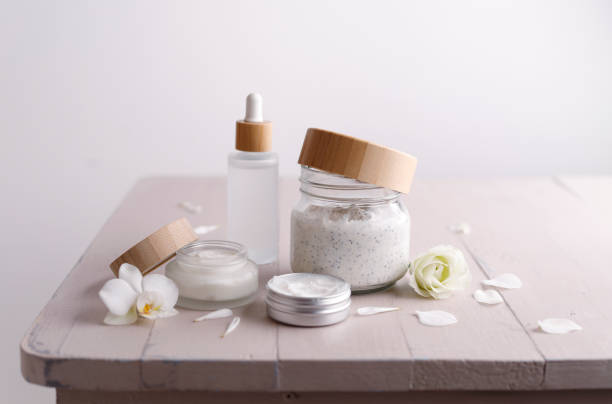
Product format matters less than you think. Serums are flexible because you can layer them under almost anything. Creams with hyaluronic acid are great for beginners because they hydrate and seal in one step. Masks give you a quick plump look before an event, but the effect is temporary. Use them when you want a fast boost, not as your entire strategy. When you check labels, look for hyaluronic acid or sodium hyaluronate near the front. You don’t need the most expensive bottle. You need one you’ll actually use every day.
Manage your expectations. Hyaluronic acid is not a wrinkle eraser. It won’t replace sunscreen or undo years of sun damage. What it can do is make your skin look smoother, fuller, and more awake. That plumpness is temporary, but it’s visible. With consistent use, you’re building a hydration habit. And hydration is one of the few things in skincare that almost every skin type can benefit from.
Don’t forget the rest of your face and body. Your neck, hands, and under-eyes can use the same logic. A tiny amount of hyaluronic acid eye product, applied to damp skin and sealed with a gentle cream, can soften fine lines. Lips love it too, but they need a balm on top. If you want your foundation to look better, apply hyaluronic acid, moisturizer, and wait a minute before makeup. Too much product can pill, so use thin layers.
At the end of the day, the best routine is the one you can repeat. Cleanse, leave skin damp, apply hyaluronic acid, seal with moisturizer, wear sunscreen. If your skin feels tight, add more water or a richer cream. If it feels greasy, switch to a lighter moisturizer. Hyaluronic acid is a tool, not a miracle. Use it right, and you’ll see softer, plumper skin because you gave your skin what it actually needs.