Retinoids are the gold standard for a reason. They actually change how your skin behaves over time, smoothing fine lines, clearing pores, and fading dark spots in a way that no fancy moisturizer can fake. But if you have ever slathered on a strong formula and woke up looking like a tomato, you know the learning curve is real. The good news? You do not need to suffer for results. You just need a smarter game plan.
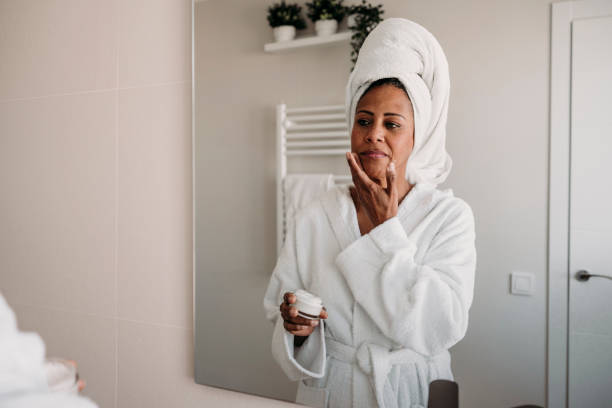
First, forget the idea that more is better. A pea-sized amount of retinoid covers your whole face. That tiny dot is not a suggestion. It is the dose. Squeeze it onto your fingertip, dot it across your forehead, cheeks, nose, and chin, then blend. If you use a pump, one pump is plenty. If you use a tube, a single pea. Using extra does not speed up results. It only speeds up irritation. Your skin can only absorb so much, and the rest just sits there causing trouble.
Second, start low and go slow. This is the part everyone hears and almost everyone ignores. Do not begin with a prescription-strength formula every night just because your favorite influencer does. Start with an over-the-counter retinol or a gentle retinoid two nights a week. Yes, two. For the first two weeks, that is it. Then add a third night if your skin feels calm. Then a fourth. Building up over a month or two is not babying your skin. It is training it. Your skin needs time to adjust to the active, and rushing that process is how you end up with peeling, stinging, and a sudden urge to hide under a hat.
Third, learn the sandwich method. Wash your face, pat it dry, and apply a plain moisturizer. Let that sink in for a minute. Then apply your pea-sized retinoid. Then follow with another layer of moisturizer. This buffers the active so it releases more slowly, which means less shock to your skin without killing the benefits. On nights when your skin feels tight or sensitive, the sandwich is your best friend. On nights when your skin feels strong, you can apply the retinoid directly to clean, dry skin and follow with moisturizer. Either way, moisturizer is not optional. It is part of the job.
Fourth, keep the rest of your routine boring. Retinoids are powerful, and they do not play well with every other active. If you are using a strong exfoliating acid, a scrubbing cleanser, or a vitamin C serum with a low pH, you are stacking irritants. That does not mean you can never use them. It means you need to separate them. Use your retinoid at night, and save your acids for another night. Skip the physical scrubs entirely while your skin is adjusting. And do not layer a benzoyl peroxide spot treatment right on top of your retinoid unless you want a red, angry patch. Keep things simple: gentle cleanser, moisturizer, sunscreen, and your retinoid. That is a complete routine.
Fifth, sunscreen is non-negotiable. Retinoids make your skin more sensitive to the sun, and sun exposure undoes the very anti-aging work you are paying for. Every morning, rain or shine, apply a broad-spectrum sunscreen with at least SPF 30. If you are going to invest in a retinoid, you have to invest in sun protection. Otherwise you are just spinning your wheels. Think of sunscreen as the seatbelt for your retinoid: it does not make the active work better, but it keeps the whole process from going sideways.
Finally, give it time. Retinoids are not a quick fix. You might see smoother texture in four weeks, but fine lines and dark spots take three to six months to really change. That feels like forever when you are staring in the mirror every morning. But the women with the best skin are not the ones who found a magic product. They are the ones who stuck with a sensible routine long enough to let it work. Start slow, use less, moisturize more, and protect your face from the sun. That is how you get the gold standard results without the gold standard drama.