You’ve probably spent a good chunk of your life trying to get rid of oil. Blotting papers, mattifying primers, clay masks that suck every last drop of shine right out of your pores. So it might feel strange to hear that oil is actually one of the best anti-aging friends you have. Your skin’s natural sebum isn’t a problem to be eliminated. It’s a protective shield that keeps moisture locked in, keeps irritants out, and helps your face stay plump and springy. The trick is learning how to manage that oil without destroying the very thing that’s keeping your wrinkles at bay.
Here’s the thing about seborrheic skin—the fancy way of saying you naturally produce more sebum than average. That extra oil means your skin barrier is usually stronger and more resilient than someone with dry skin. You’re less likely to develop fine lines early, because that constant layer of lipids keeps your skin cells hydrated and bouncy. In fact, dermatologists have long noticed that people with oilier skin tend to show visible signs of aging later than their dry-skinned peers. But that doesn’t mean you’re off the hook. As you move through your late twenties and into your thirties and forties, your sebum production starts to shift. It doesn’t just suddenly stop—instead, it can become uneven. You might have a slick T-zone in the morning and tight, flaky patches around your cheeks by noon. That’s the beginning of the balancing act.
The biggest mistake women with oily skin make is over-cleansing. You think you need to wash away every trace of oil to keep pores clear, so you grab a harsh foaming cleanser and scrub twice a day. But that approach backfires. When you strip your skin of its natural oils, your sebaceous glands panic and produce even more to compensate. You end up with a greasier face than before, plus a weakened barrier that lets moisture escape and irritants in. The solution isn’t more washing. It’s smarter washing. Look for a gentle gel cleanser with no sulfates or alcohol. Use lukewarm water, not hot. And only wash twice a day—once in the morning, once before bed. You want to remove the surface oil but leave the deeper lipid layer intact.
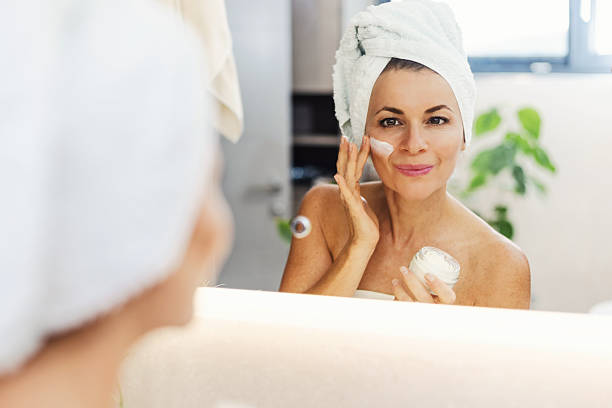
Now, what about moisturizer? If you have oily skin, you might skip it entirely, thinking you don’t need it. But here’s where aging changes the game. Your skin produces less hyaluronic acid and ceramide as you get older, even if you’re still oily. That means you can have a slick surface and dehydrated deeper layers at the same time. The fix is a lightweight, oil-free moisturizer with humectants like glycerin or hyaluronic acid. These ingredients pull water into your skin without adding extra grease. Apply it while your face is still slightly damp after cleansing, so the moisture gets sealed in. And don’t be afraid to use a little extra around your eyes and mouth, those are the first places to show crinkles.
Exfoliation is another area where you need to walk a fine line. Your natural oil can trap dead skin cells, making your face look dull and bumpy. But over-exfoliating with gritty scrubs or strong acids can strip your barrier and cause inflammation—which, over time, breaks down collagen and accelerates wrinkling. Instead, use a gentle chemical exfoliant with salicylic acid two or three times a week. Salicylic acid is oil-soluble, so it gets into your pores and dissolves the gunk without disturbing the healthy surface oils. Avoid physical scrubs with beads or walnut shells, especially as you age. Your skin’s natural exfoliation rate slows down, and you need to be kinder to it, not rougher.
Sun protection is non-negotiable, and here’s a secret: your oily skin might be making you skip SPF because sunscreen feels heavy or greasy. But new lightweight gel sunscreens are designed specifically for sebaceous skin. Look for a formulation that says “oil-free,” “non-comedogenic,” or has a matte finish. Apply it every single morning, rain or shine. UV radiation is the number one cause of premature wrinkles, and it also breaks down the quality of your sebum, turning it from a protective lubricant into a pro-inflammatory substance. So if you don’t wear sunscreen, all that natural oil isn’t helping you as much as it could.
Another overlooked factor is diet. High-glycemic foods—think white bread, sugary drinks, and processed snacks—spike your insulin, which then signals your sebaceous glands to pump out more oil. That extra oil isn’t the good kind; it’s thicker and more likely to clog pores. Instead, lean into foods that support healthy oil production from the inside. Omega-3 fatty acids from salmon, walnuts, and flaxseeds help regulate sebum quality. Zinc-rich foods like pumpkin seeds and chickpeas support skin repair. And don’t forget water. Even oily skin needs hydration from within to stay flexible.
Finally, resist the urge to aggressively blot throughout the day. Those little blotting papers can be useful for shine control, but pressing them too hard or using them constantly can pull away the oils your skin needs. If you’re shiny at lunchtime, just gently pat with a tissue or a light blotting paper, never wipe. You can also set your makeup with a dusting of translucent powder that contains no added oils. That way you manage the shine without upsetting the balance.
At the end of the day, your oily skin isn’t a curse. It’s a built-in anti-aging system. Treat it with respect. Cleanse gently, moisturize strategically, exfoliate smartly, and always protect from the sun. Do that, and your natural oil will keep working for you well into your forties and beyond—keeping those fine lines at bay while your friends chase after every wrinkle cream in the drugstore.