If you’ve spent years blotting your forehead and apologizing for shine, here’s some good news: that oil is actually doing you a favor. Oily skin produces a natural barrier that keeps moisture locked in and irritants out. That barrier is the reason many people with seborrheic skin (a fancy term for overactive oil glands) develop fewer fine lines and wrinkles as they age. Your skin is essentially self-moisturizing, and that’s a huge advantage. Think of it as a lifetime supply of natural moisturizer that costs you nothing but a few blotting papers.
But there’s a catch. The way you manage that oil today can either preserve that advantage or wipe it out. The biggest mistake is over-cleansing. When you strip your face with harsh scrubs and alcohol-based toners, you remove the natural barrier. Your oil glands panic and go into overdrive, producing even more oil. You end up shinier than before, and your skin’s protective layer is constantly damaged, which accelerates aging. So stop fighting your oil with aggressive products. Remember, your goal is balance, not dryness.
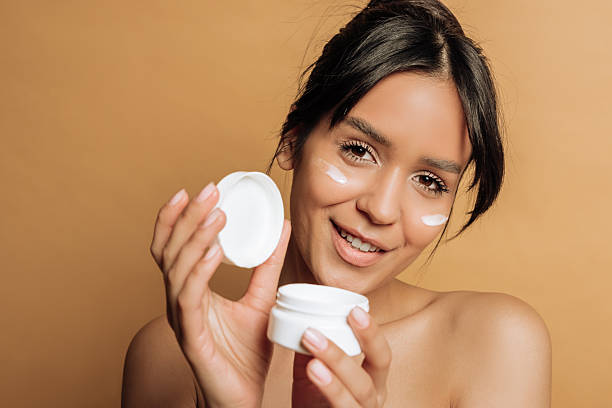
Here’s a counterintuitive truth: oily skin still needs moisturizer. When you skip it because you think you’re already greasy, your skin sends a distress signal and makes even more oil. The solution is a lightweight, gel-based moisturizer with hyaluronic acid or glycerin. These ingredients pull water into your skin without adding heaviness. You’re essentially telling your oil glands to relax because you’ve got hydration covered. It’s the least exciting part of skincare, but it’s also the most effective.
Sunscreen is another non-negotiable. Many women with oily skin avoid it because it feels thick and cloggy. But UV damage is the number one cause of premature wrinkles. Look for a light, oil-free, matte-finish sunscreen and apply it every morning, even on cloudy days. Your natural oil does nothing to protect you from the sun, so let the SPF do that job.
Another thing to keep in mind is how you handle that midday sheen. It’s tempting to reach for blotting papers and pressed powders, but be cautious. Powders can settle into fine lines and make them more noticeable. Blotting papers are safer because they just absorb the excess oil without moving your makeup around. And whatever you do, don’t wash your face with a cleanser in the middle of the day just because you feel greasy. That will set off the oil-overproduction cycle all over again. A quick spritz of a facial mist or a swipe of a blotting paper is all you need to feel fresh.
Here’s what happens to you as you move through your thirties and forties: your oil production slows down. The skin that used to be shiny starts feeling normal, then even dry in parts. This is the time to adjust your routine, not celebrate. Switch to a gentler, cream-based cleanser and a slightly richer nightly moisturizer. Most importantly, start using a retinol product if you haven’t already. Retinol speeds up cell turnover, smooths out emerging lines, and keeps pores from looking stretched. Start with a pea-sized amount a couple of nights a week, and always pair it with moisturizer to avoid irritation. Hormonal shifts can also affect your oil production, so stay flexible.
Exfoliation also needs a smarter approach. With oily skin, you might think scrubbing daily helps, but over-exfoliating damages that protective barrier and leads to inflammation, which ages you faster. Instead, use a gentle chemical exfoliant with salicylic acid or lactic acid, two or three times a week. These break down the glue that holds dead cells to your skin, revealing a fresh layer without any harsh rubbing.
The bottom line: your oily skin is not a curse. It’s a built-in hydration system that keeps you plump and less prone to early wrinkles. But you have to work with it, not against it. Keep it gently hydrated, protect it from the sun, and adjust your routine as your oil levels change with age. The women who age the best aren’t the ones who punished their oily complexions in their youth. They’re the ones who gave that oil a respectful nod and then chose the right products to support it. So next time you catch your reflection, don’t roll your eyes at the shine. That shine might be why you still look so young ten years from now.