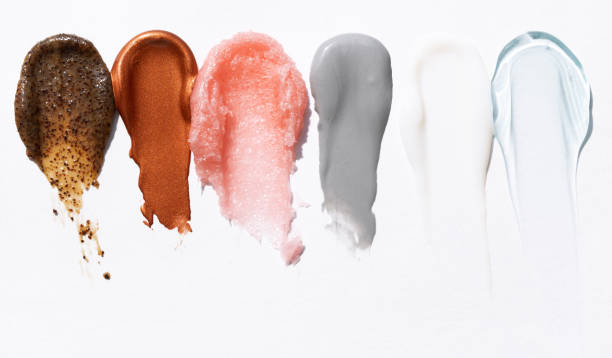
If your skin feels like crumpled paper that has been smoothed out again, you are not imagining it. Tiny bumps, rough patches, and that dull, slightly uneven look are all texture. Alpha hydroxy acids, or AHAs, are one of the most straightforward ways to refine that texture. They work by loosening the dead cells sitting on the surface so they can wash away instead of hanging around and casting shadows. The result is skin that feels softer and looks more even. The catch is that AHAs are not a “more is better” ingredient. The right one, used at the right pace, can make your routine feel almost effortless. The wrong one, used too often, can leave you red, tight, and sorry.
Start with the job your skin actually needs done. If your skin is dry, sensitive, or new to exfoliating acids, lactic acid is a smart first pick. It is gentle enough for a couple of nights a week, and it helps lift that rough, sandpaper feeling around the nose and chin without making your face feel stripped. It also pairs well with moisturizer, because texture often looks worse when skin is dehydrated. If your skin is oily, normal, or already comfortable with exfoliation, glycolic acid is the stronger option. It gets to work quickly and is especially good for stubborn little bumps and that dull layer that makes makeup look uneven. You do not need both at once. Pick one, give it a fair chance, and let your skin tell you what it thinks.
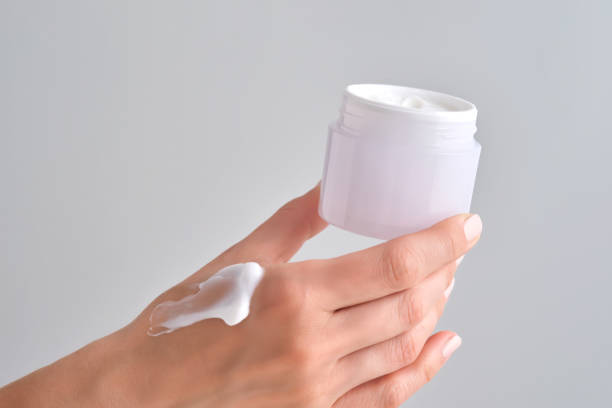
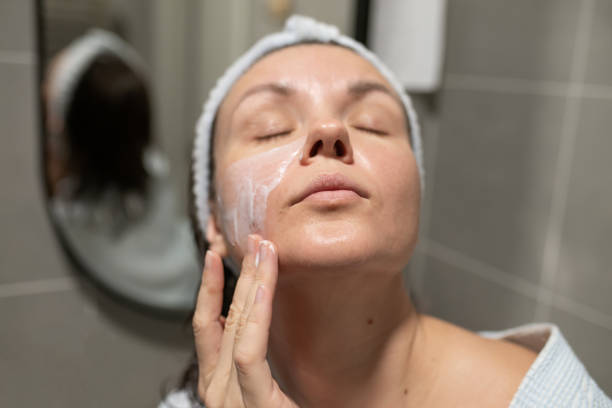
Ignore the idea that tingling equals progress. A light tingle can happen, but burning, itching, or a hot feeling is not a beauty moment. It is your cue to rinse. If you are trying a new AHA, test it on a small area first and wait a day. When you start, use it two nights a week, not every night. A low percentage is not a weak choice; it is the choice that lets you stay consistent. Wash-off formulas and short-contact masks are useful if you are unsure. Leave-on liquids and creams are fine once you know your skin tolerates them. More product does not speed up results. A thin layer on clean, dry skin is enough.
The rest of your routine should be boring in the best way. Use a gentle cleanser, skip the scrub, and put away the cleansing brush on AHA nights. Do not stack an AHA with retinol, vitamin C, or another exfoliating acid in the same sitting unless you know how your skin handles it. A simple moisturizer after the AHA helps keep your skin comfortable. If your moisturizer stings, your skin is asking for a break. That is not the time to add a stronger acid. That is the time to cut back, use moisture, and wait until your face feels calm again.
Sunscreen is the part you cannot skip. AHAs make your skin more sensitive to the sun, and sun damage is the fastest way to undo the smooth, even look you are working for. Use a broad-spectrum sunscreen every morning, even on cloudy days, and reapply if you are outside for long. A hat and shade are not extras; they are part of the plan. If you are using an AHA at night, your morning sunscreen is not optional. It is the finish line.
Give it time. Texture does not change overnight, and that is normal. Most people see smoother skin after a few weeks of steady, sensible use. If you are flaking, peeling, or feeling raw, you are overdoing it. Back off to once a week or pause for a few days. If your skin looks calmer but still has rough spots, stay consistent instead of adding another product. The goal is not to feel like you had a procedure. The goal is skin that feels comfortable, looks more even, and lets your makeup sit the way you want it to.
The best AHA routine is the one you can repeat without dread. Choose the acid that matches your skin, start slowly, keep the rest of your routine gentle, and protect your face from the sun. That is how texture refinement actually happens: not with a dramatic peel, but with a smart product and a steady hand.