If your skin looks a little dull, feels rough around the cheeks, or seems to hold onto dry patches no matter how much moisturizer you use, alpha hydroxy acids can be the reset button your routine is missing. AHAs are the ingredients behind many of the smooth, light-catching finishes you see in beauty videos: glycolic acid, lactic acid, and their close cousins. They work by loosening the glue between dead surface skin cells so those cells can shed more evenly. That is texture refinement in plain English. Less buildup means makeup sits better, skincare sinks in faster, and fine lines look softer because the surface is smoother, not because anything dramatic happened overnight.
The trick with AHAs is not finding the strongest product. It is finding the strength and rhythm your skin can handle without tipping into irritation. This is where a lot of smart women get stuck. You buy a high-percentage glycolic toner because someone with glowing skin swore by it, use it every night, then wonder why your face feels tight and stings when you apply moisturizer. That is not a sign the product is working. It is a sign your skin is asking for a slower approach.
Start with one AHA product, not three. A leave-on serum or toner is the most common choice for texture, while a wash-off cleanser gives you less contact and is a gentler entry point if you are unsure. Glycolic acid is the classic for visible smoothing because its small molecules get into the surface quickly, but that also means it can be more aggressive. Lactic acid tends to be friendlier for dry or sensitive skin while still helping with dullness and rough patches. If your skin is oily and resilient, glycolic may suit you well. If your skin flushes easily, lactic is often the smarter first date. You do not need to memorize a chart. Pay attention to how your skin feels two hours after application and the next morning. Comfort is data.
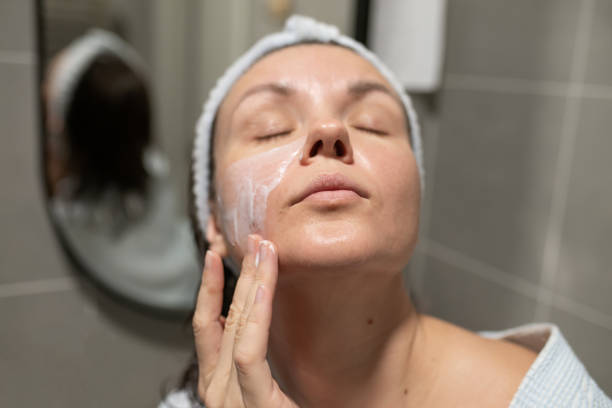
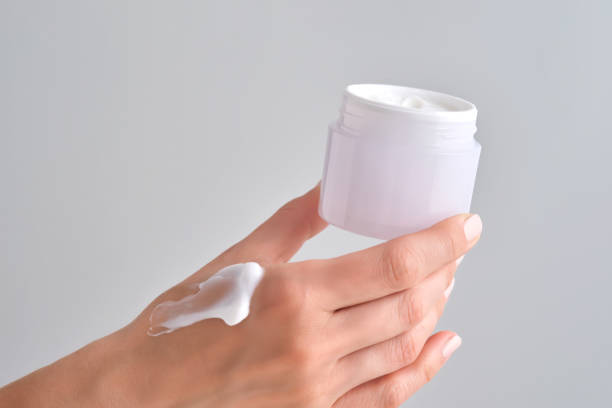
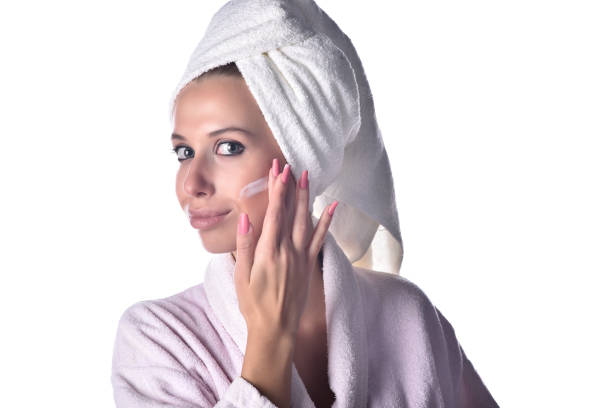
Use it two nights a week at first. If your skin feels calm after a couple of weeks, add a third night. That is it. More frequency is not automatically better. Many people get great texture results with two or three nights a week plus a good sunscreen and moisturizer. Apply a pea-sized amount to clean, dry skin, avoiding the corners of your eyes, nostrils, and lips. Wait a minute or two before layering moisturizer. On the other nights, keep your routine boring: gentle cleanser, moisturizer, maybe a hydrating serum. Skip the facial scrub, the at-home peel, and the strong anti-aging treatment on AHA nights. Stacking exfoliants is how texture goals turn into a red, flaky setback. If your skin is easily irritated, use the wash-off cleanser on those nights and save leave-on acids for later.
You will know AHAs are helping when your skin feels smoother after a few weeks, looks more even in the mirror, and your makeup glides over your cheeks instead of catching on dry spots. You will know you have gone too far if your skin feels tight right after cleansing, stings when you put on moisturizer, flakes in patches, or looks shiny-red rather than glowy. If that happens, stop the AHA for a week. Go back to basic cleansing and moisturizing, then restart once a week. If irritation keeps returning, choose a lower strength or a wash-off formula, or ask a skincare professional for help. This is not a test of willpower.
Daily sunscreen is nonnegotiable. AHAs remove some of the surface buildup that normally helps shield skin, and smooth skin can show sun damage faster if you are not protected. A broad-spectrum sunscreen in the morning is part of the treatment, not an optional extra. Think of AHA use as a partnership: the acid refines texture, moisturizer keeps the surface comfortable, and sunscreen protects the results. When you get that balance right, you do not need a dramatic routine. You need a steady one, a modest strength, and enough patience to let your skin show you what works. That simple three-part routine is boring in the best way: it gives your skin a chance to look polished without asking it to recover from too much.