You’ve seen the shelf at your favorite beauty store: amber glass bottles lined up like little apothecary soldiers, each promising glow, softness, and a clear conscience. And you’ve also seen the price tags. Before you drop thirty bucks on something called “sustainable squalane” or “ethically sourced marula,” let’s talk about what clean beauty really means when it comes to facial oils – and how to pick one that does right by your skin without making you feel like you need a degree in chemistry to shop.
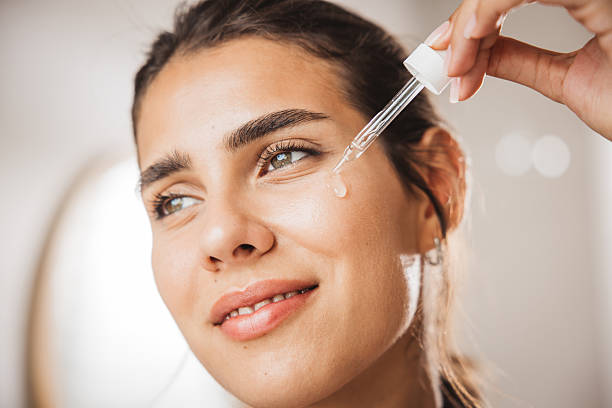
First, know this: your skin doesn’t care about marketing buzzwords. It cares about molecules. A facial oil works because it sits on top of your skin or sinks in just far enough to support your moisture barrier. That barrier is your first line of defense against the dry air, harsh cleansers, and all the little tugs and pulls that lead to fine lines over time. So when you’re choosing an oil, your job is to find something that mimics what your own skin already produces – not something that sounds exotic or arrives in a fancy box.
Here’s the trick to skipping past the fluff: flip the bottle over and read the ingredient list like you’re reading a food label. If the oil is truly clean, the list will be short. Ideally, you’ll see one or two plant oils, maybe a vitamin E for stability, and that’s it. Anything with more than five ingredients is usually a blend of perfumes, preservatives, and synthetic fillers that do nothing for your wrinkles and might even irritate your skin. Fragrance is the big one to avoid. Even “natural” essential oils like lavender or citrus can trigger sensitivity over time, and sensitive skin is more prone to inflammation – which breaks down collagen faster. Your goal is calm skin, not a aromatherapy session.
Now, about the word “natural.” It means very little on its own. Poison ivy is natural. So is crude oil. What you actually want are oils that are cold-pressed and unrefined. That means the plant was pressed without heat or harsh chemicals, so the fatty acids – the good stuff that feeds your skin – stay intact. Look for things like jojoba, squalane (from olives, not sharks), camellia, or rosehip. These are lightweight, non-clogging, and have research behind them for improving elasticity and softening fine lines. Avoid anything labeled “fragrance oil” or “perfume oil” – that’s a red flag for synthetic stuff.
Sustainability is the other half of this equation, and here’s where it gets personal. A clean oil should not just be clean for your face; it should be clean for the people and place that grew it. That means checking for fair trade practices if the oil comes from a single origin, like argan from Morocco or shea from West Africa. It also means looking at the packaging. Glass is almost always better than plastic – not just because it looks pretty, but because oil can degrade plastic over time, and because glass is endlessly recyclable. Some brands offer refill pouches, which cuts down on shipping weight and waste. If you can find a refill or a recyclable aluminum bottle, you’re already ahead of the game.
But don’t let perfect become the enemy of good. The most sustainable oil you can buy is the one you actually finish. That sounds obvious, but think about how many half-used serums are sitting in your bathroom right now. A tiny 10-milliliter bottle with a beautiful dropper might feel eco-friendly, but if you have to rebuy it every three weeks, the glass, the shipping, and the packaging adds up. A larger size – even if it feels less chic – often has a better environmental footprint per ounce. And store it away from sunlight and heat. Oils go rancid when they’re stressed, and rancid oil does the opposite of preventing wrinkles – it promotes oxidative damage, which ages you faster.
One more thing: your skin type matters. If you’re oily or prone to breakouts, go for squalane or jojoba – they’re molecularly similar to your own sebum and won’t clog pores. If you’re dry or seeing early lines, rosehip or camellia are richer and full of vitamin A precursors that gentle resurface. And if you’re in between, a simple blend of jojoba and squalane is a safe bet. You don’t need a twelve-step ritual. In fact, the cleanest beauty routine is often the shortest one.
So next time you’re tempted by a bottle that promises “green,” “eco,” or “conscious,” ask yourself three questions: What’s in it? How was it made? And what happens to the bottle when I’m done? If the answers are “a few plant oils,” “cold-pressed and fairly traded,” and “it goes in my recycling bin,” you’ve found a winner. Your skin will thank you with glow, your wallet will thank you with fewer wasted impulse buys, and your grandma’s future wrinkles will be slightly less inevitable. That’s clean beauty you can actually feel good about.