You’ve heard that retinol is the gold standard for fighting wrinkles. But maybe you’ve tried it and ended up red, flaky, and miserable. Or maybe you want a sustainable option that fits your clean beauty routine. That’s exactly why bakuchiol has become so popular. This plant-based powerhouse delivers similar results without the harsh side effects. And if you’re someone who reads labels and avoids parabens or sulfates, you’ll find a lot to love here.
Bakuchiol comes from the seeds of the babchi plant, which grows across Asia. It’s been used in traditional medicine for centuries. Today you’ll find it in serums, creams, and oils from both luxury and drugstore brands. And it deserves the hype.
Here’s what bakuchiol does in simple terms. It prompts your skin cells to speed up their renewal cycle. Old, tired cells slough away, and fresh ones surface. It also stimulates collagen production, the protein that keeps your skin firm and bouncy. Over time, fine lines look softer, pores appear smaller, and your overall skin tone evens out. Retinol works through similar pathways, but it often brings along peeling, redness, and serious sun sensitivity. Bakuchiol delivers the goods without that punishment. Think of it as a gentler messenger to your skin.
Clinical research backs this up. In a 12-week study, women applying bakuchiol twice daily saw significant improvement in wrinkle depth and firmness. Their results were comparable to a retinol group. The striking difference was tolerability. Bakuchiol users experienced far less stinging and flaking. So you can wake up glowing, not grieving your face.
From a clean beauty perspective, bakuchiol is a win. Retinol is often synthesized from petroleum-derived ingredients. Bakuchiol is harvested from renewable plants. It doesn’t require heavy irrigation or pesticides. Some brands practice regenerative farming to cultivate babchi. And because bakuchiol is chemically stable, formulators don’t need to load products with preservatives. That’s better for your skin and the planet. Plus, bakuchiol’s sourcing supports farmers who grow the babchi plant responsibly, creating a positive chain from soil to serum.
When you’re ready to buy, don’t be swayed by pretty packaging. Read the ingredient label. You want bakuchiol listed near the top, within the first five or six ingredients. That ensures you’re getting a meaningful amount. Look for formulas that pair bakuchiol with soothing ingredients like squalane or hyaluronic acid. Avoid artificial fragrance, which can cause inflammation. If your skin is sensitive, skip products with alcohol as well. A serum is usually your best bet because it penetrates deeply and absorbs quickly.
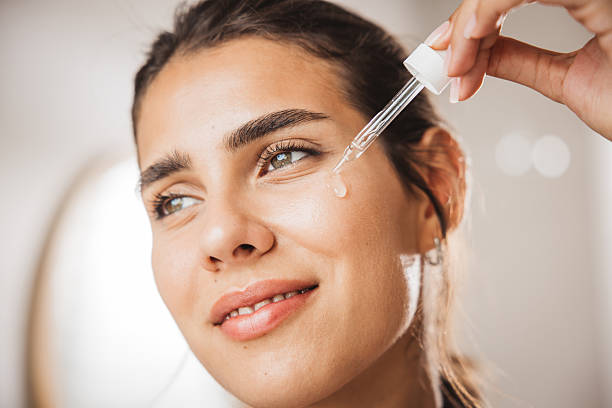
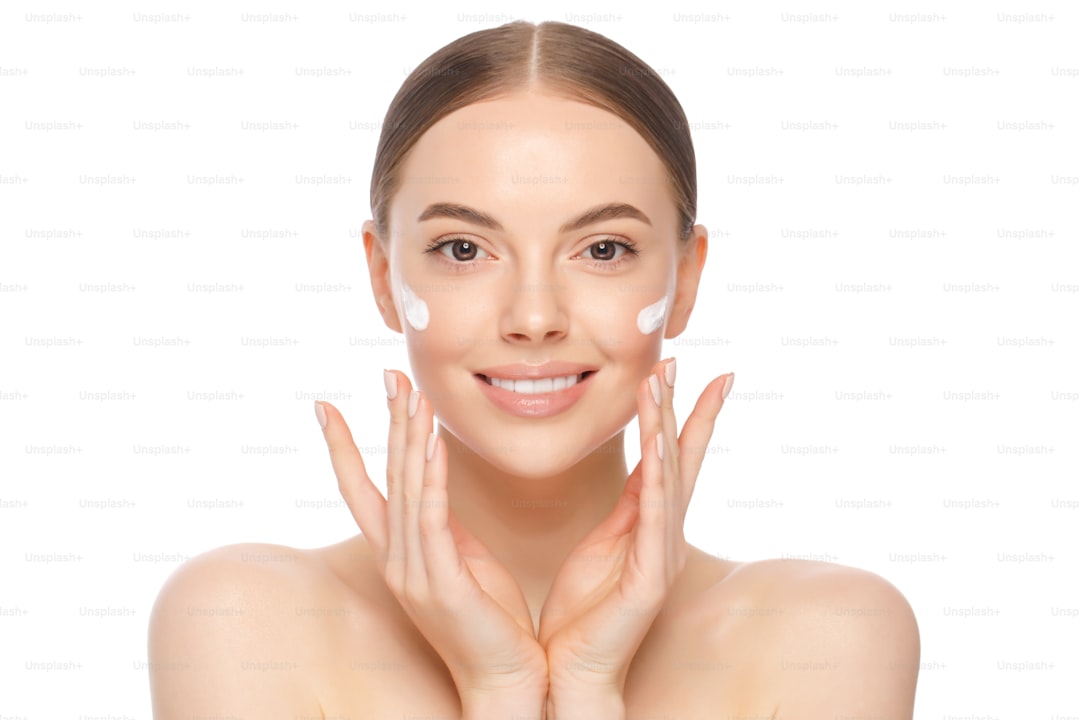
Using bakuchiol is refreshingly easy. Unlike retinol, you don’t need to start slow or build up tolerance. Cleanse your face at night, warm a few drops of serum between your fingers, and press them gently onto your face and neck. Follow with a simple moisturizer to lock in hydration. Do this every evening. Done. You can even add a facial oil if needed.
One important caveat: bakuchiol can increase your skin’s sensitivity to sunlight, though not as much as retinol. So make sunscreen a non-negotiable every morning. Look for a broad-spectrum SPF 30 or higher. Sun exposure is the leading preventable cause of wrinkles, after all. Pairing daily SPF with bakuchiol gives you a powerful anti-aging combination.
Who should try it? Almost anyone. In your twenties, it’s a perfect preventive measure. In your forties, when skin becomes more delicate, bakuchiol offers results without the irritation. Dermatologists also consider it safe for acne-prone and rosacea skin. Many pregnant women choose it because retinol isn’t recommended during pregnancy. As always, consult your own doctor.
Clean beauty doesn’t have to be expensive. You can find quality bakuchiol serums for under $20. Many reputable brands openly share their sourcing and manufacturing processes. Look for recycled packaging or refillable bottles to cut down on waste. Once you finish your first serum, purchase a refill pouch instead of a whole new container.
Finally, patience matters. Your skin renews itself every 28 days, so give bakuchiol about three months. After that, you’ll likely notice that laugh lines appear less defined, your forehead feels smoother, and your complexion has a healthy glow. No irritation, no flakes, no regrets. That’s modern skincare that actually thinks about tomorrow. No pressure. Just glow.