The quest for smooth, youthful skin often focuses on the face, but the skin on our legs is equally susceptible to signs of aging, including dryness, loss of elasticity, and the formation of fine lines and wrinkles. In this context, exfoliation—the process of removing dead skin cells from the surface—is frequently touted as a beneficial skincare step. However, when specifically addressing wrinkle prevention on the legs, the answer is nuanced. While exfoliation offers significant indirect benefits that can create a smoother, healthier canvas, it is not a direct anti-wrinkle solution in the same way it might be for concerns like clogged pores or dullness.
To understand this, one must first recognize what causes wrinkles on the legs. Unlike facial wrinkles, which are heavily influenced by repetitive muscle movements (expression lines) and sun exposure, leg wrinkles are primarily driven by intrinsic aging and environmental factors. As we age, the skin naturally produces less collagen and elastin, the proteins responsible for firmness and bounce. This leads to thinner, looser skin that can sag and crease, particularly on the thighs and behind the knees. Significant weight fluctuations can also stretch the skin and contribute to laxity. Therefore, preventing wrinkles here is less about smoothing existing lines and more about maintaining overall skin health, hydration, and thickness.
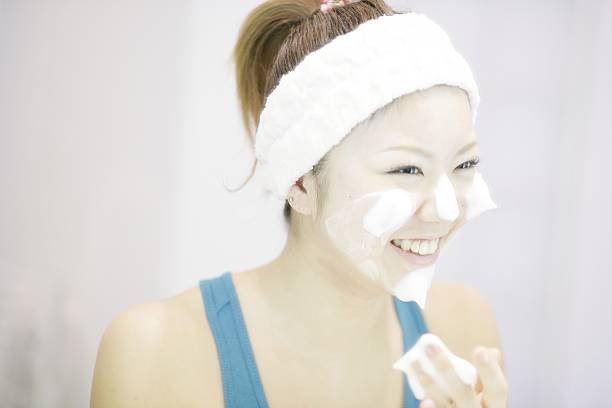
This is where exfoliation finds its valuable, albeit supporting, role. Regular, gentle exfoliation of the legs removes the outermost layer of dead, flaky skin cells. This process delivers several key benefits that indirectly combat the conditions that make wrinkles more apparent. First, it dramatically improves skin texture, instantly creating a smoother surface where fine lines are less visible. By sloughing away the dull, dead layer, exfoliation allows light to reflect more evenly off the skin, giving an illusion of plumpness and reducing the shadowing that can emphasize creases.
More importantly, exfoliation enhances the skin’s ability to absorb and retain moisture. The barrier of dead cells can prevent moisturizers—especially those containing crucial humectants like hyaluronic acid or glycerin—from penetrating effectively. By clearing this barrier, exfoliation allows these hydrating products to reach living skin cells more readily. Well-hydrated skin is plumper, more resilient, and shows fine lines less prominently. Dehydrated skin, in contrast, can look shriveled and exaggerate any existing wrinkles. Furthermore, certain chemical exfoliants, like alpha hydroxy acids (AHAs) such as lactic or glycolic acid, can stimulate a mild renewal response in the skin. Over time, this may encourage a slight increase in collagen production, thereby improving skin thickness and elasticity, which are fundamental defenses against sagging and wrinkles.
However, it is crucial to approach leg exfoliation with care to avoid counterproductive results. Over-exfoliation, using overly harsh scrubs or tools, can strip the skin’s natural lipid barrier. This leads to transepidermal water loss, causing dryness, irritation, and inflammation—all of which can ultimately break down collagen and accelerate skin aging. The goal is gentle maintenance, not aggressive scrubbing. For the legs, mechanical exfoliation with a soft brush or a mild scrub used once or twice a week, or chemical exfoliation with a body lotion containing AHAs used a few times weekly, is typically sufficient.
Ultimately, while exfoliation is a helpful component of a leg care regimen aimed at preventing wrinkles, it is not a standalone solution. Its primary function is to optimize skin health and enhance the efficacy of other, more critical products. The most powerful strategy for preventing wrinkles on the legs is a consistent routine of daily moisturization with products designed to support the skin barrier, coupled with rigorous sun protection. UV radiation is a leading cause of collagen degradation, so applying sunscreen to the legs when exposed is non-negotiable for long-term prevention. Therefore, view exfoliation as a valuable preparatory step—one that clears the path for moisturizers and sunscreens to perform their essential, collagen-preserving work, thereby helping to maintain the smooth, supple appearance of your legs over time.