Crow’s feet are not a flaw. They are proof your face has been doing its job—smiling, squinting, laughing, and showing exactly how you feel. But the skin around your eyes is thin, and it shows wear-and-tear sooner than the rest of your face. That does not mean you need a complicated routine or a drawer full of products. It means you need a few smart habits and a lighter touch. The goal is not to erase expression. It is to keep the delicate area around your eyes smooth, comfortable, and cared for so lines stay softer for longer.
Start with sunglasses, and treat them like skincare, not just an accessory. The outer corners of your eyes are exactly where crow’s feet begin, and big lenses that cover that area do more for you than most eye creams. Squinting is a repeated motion, and sun exposure makes thin skin look thinner and more lined over time. Wear sunglasses on bright days, yes, but also on cloudy ones and in the car. Choose a pair that sits close to your face without pressing into your cheeks or temples. If you have to choose between a trendy pair and one that actually blocks light, choose the one that blocks light. Your future self will not care about the brand.
Your sleep position matters more than most people realize. If you sleep on your side or stomach, your face presses into the pillow for hours. That pressure can create morning creases that eventually behave like set-in lines. Try training yourself to sleep on your back. It feels awkward at first, but most people adjust within a few weeks. If back sleeping is not realistic, use a silk or satin pillowcase and a pillow that does not smash your face. You will still get some pressure, but less friction and less morning creasing. Small changes count.
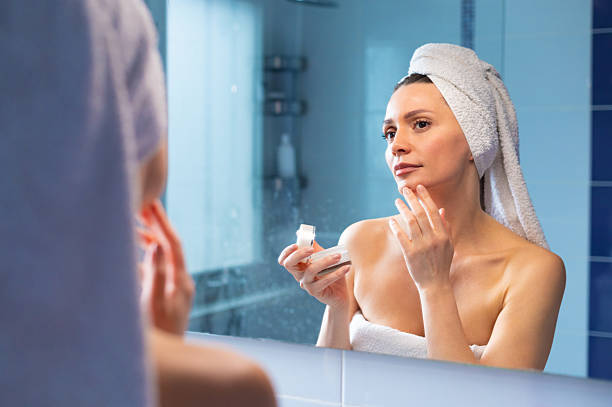
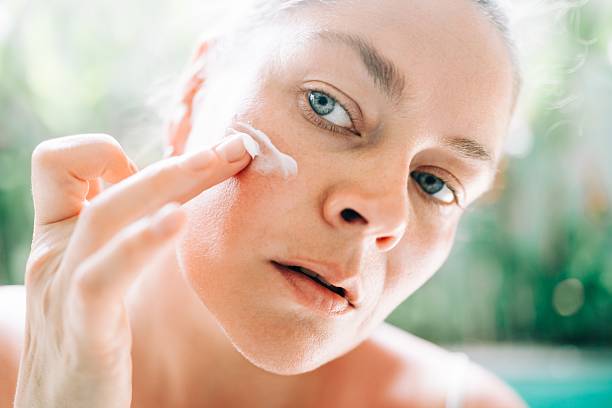
Apply eye cream with restraint. The skin around your eyes is delicate, and most people tug at it without noticing. Use your ring finger, because it has less strength behind it. Dot a small amount around the eye area, staying on the bone rather than too close to the lashes. Tap, do not rub. Move gently from the outer corner inward, then back out, without stretching the skin. In the morning, use a light cream and follow with sunscreen. At night, use a slightly richer moisturizer if the area feels dry. You do not need five products. One good, gentle eye cream used consistently is better than a complicated routine you abandon.
Hydration is simple, but it is not only about drinking water. The skin around your eyes gets dry easily, and dry skin makes every fine line look sharper. Moisturize morning and night, and pat your skin dry instead of rubbing it. In winter, a humidifier can make a real difference. If your eyes feel dry and tired, you squint more, and squinting is exactly what you are trying to reduce. Use moisturizing eye drops when you need them, blink fully, and look away from your screen every so often. Enlarge the text on your phone. Clean your glasses. These tiny adjustments cut down on the expression lines you create all day without thinking.
Be gentle with makeup removal. Wipes are convenient, but too often they turn into tugging. Use a soft cleanser or a remover that dissolves mascara without force. Let it sit for a few seconds. Do not stretch your eyelid to get the last bit of liner. That repeated pull is hard on thin skin. The same goes for applying concealer: tap it in, do not drag it. Treat the eye area like the delicate zone it is.
Daily sunscreen around the eyes is non-negotiable. UV light reaches through clouds and windows, and the outer corners of your eyes are often the first place to show it. Use a gentle formula that does not sting, and apply it to the upper cheekbones and outer corners as well as the lid area. Wear a hat when you can. And do not stop smiling. You do not need to freeze your face to care for it. Your expressions are not the enemy; harsh habits are.
Consistency beats intensity. The eye area rewards small daily choices more than dramatic overnight fixes. Give any new routine several weeks. Take a photo in similar light if you want to track changes. Stop picking at the mirror. If something changes suddenly or feels irritated, get it checked. Otherwise, keep it simple: cover up, hydrate, tap gently, and let your face do what it was made to do.