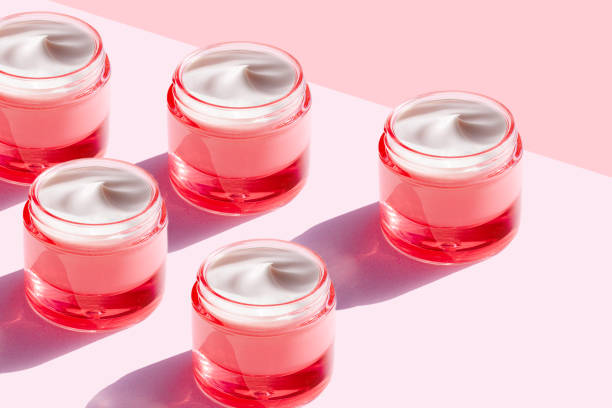
You’ve seen the shelf of pretty jars at the store. The ones with the pastel labels promising “glow” and “bounce.“ The powder is tasteless, dissolves into your morning coffee, and costs roughly the same as a nice dinner out. But before you add another subscription to your monthly lineup, let’s talk honestly about what collagen supplements can and cannot do for your face.
Here’s the thing about your skin: it’s built on collagen. That’s the protein that gives your cheeks their plumpness, your jawline its definition, and your forehead its smooth look. When you’re young, your body makes plenty of it. Then somewhere around your mid-twenties, production starts to slow down. Add sun exposure, stress, and the natural passage of time, and your skin begins to show it in tiny lines at first, then deeper creases. That’s why collagen has become such a star in the supplement world. The logic seems simple: if you’re losing collagen, just eat more of it. But your body isn’t quite that straightforward.
When you swallow collagen powder, your digestive system breaks it down into amino acids and peptides. Those building blocks don’t carry a little GPS that directs them straight to your face. They go where your body needs them most, whether that’s your joints, your tendons, or your skin. However, research has shown that taking collagen consistently for at least eight to twelve weeks can improve skin elasticity and hydration. The effect is genuine, but it’s not dramatic. You won’t wake up looking like you’ve had a facelift. What you might notice is that your skin feels less tight, looks slightly more supple, and those fine lines around your mouth and eyes appear a bit softer. Think of it as a subtle nudge rather than a transformation.
Now, the important part: picking the right product without losing your mind. Walk down the supplement aisle and you’ll see marine collagen, bovine collagen, types I, II, and III, hydrolyzed something-or-other. Here’s what actually matters. First, look for “hydrolyzed collagen” or “collagen peptides.“ That just means the protein has been broken down into smaller pieces so your body can absorb it easily. Second, check the source. Marine collagen tends to be from fish skin and is often better for skin because it’s mostly type I, the main collagen in your skin. Bovine collagen from cows usually contains a mix of types I and III, also great for skin. Either is fine. Third, look at the dose. Most effective studies use around 2.5 to 15 grams per day. If a jar only gives you 2 grams per scoop, you’ll need more scoops than you think. Finally, check if they’ve added vitamin C. Your body needs vitamin C to actually build new collagen, so a product that pairs the protein with that vitamin is doing you a favor. If not, have an orange with your coffee.
But here’s the part that no supplement bottle will tell you: collagen powder works best when it’s not doing all the heavy lifting alone. Your skin’s collagen levels are also affected by how you live. Smoking destroys it. Sun exposure destroys it even faster. If you’re taking collagen every morning but still sunbathing without SPF or smoking on weekends, you’re basically digging a hole while someone fills it in with a spoon. Your diet matters too. Eating protein-rich foods, getting enough vitamin C from fruits and vegetables, and staying hydrated all give your body the raw materials it needs to hang onto that collagen you’re paying for. A supplement is a boost, not a superhero. It’s more like a helpful teammate on a squad where you’re the captain.
So, should you try it? If you’re in your late twenties or thirties and you’re already good about sunscreen and moisturizer, a collagen supplement might give you an extra edge. It’s also helpful if you aren’t a big meat or fish eater, since those foods naturally provide collagen-building nutrients. Just don’t expect miracles. Give it three months of consistent use before judging. And pay attention to how your skin actually feels and looks, not just what the jar’s label promised.
At the end of the day, your skin is the largest organ you’ll ever have. It reflects everything from your sleep schedule to your stress level to the little choices you make every morning. Collagen powder can be part of that steady, sensible routine that keeps your face looking like you. Not like you’re chasing twenty-one again, but like you’re the best version of your current age. That’s a beauty goal worth spending money on. Just spend it wisely, start small, and let your skin tell you what works.