You’ve noticed the signs. That fine line under your eye that refuses to fade, the dullness that shows up right before your period, the way your foundation settles into creases by noon. You’ve tried the creams, the serums, the fancy facial oils. But here’s the thing nobody tells you: the healthiest skin you’ve ever had might not come from a jar. It might come from a tiny red microalgae that lives in the ocean, and it’s called astaxanthin.
You might have heard of it in the same sentence as “salmon” or “shrimp” – that pink color they get? That’s astaxanthin. It’s a pigment that works like a bodyguard for sea creatures, protecting them from the harsh sun and environmental stress. And when you take it as a supplement, it does the same for your skin. Except your skin doesn’t need to worry about being eaten by a bigger fish. It just needs to survive your morning commute, your desk lamp, and that late afternoon sun that sneaks through your office blinds.
Think about what actually ages your skin. It’s not just time. It’s the invisible stuff – UV radiation, pollution, stress, even the blue light from your phone. These things create tiny little soldiers that attack your skin cells and break down the collagen that keeps everything firm and bouncy. Dermatologists call them free radicals, but you don’t need the science class. Just know that astaxanthin is like a bouncer for your cells. It stands at the door, catches those troublemakers, and stops them before they cause chaos.
What makes astaxanthin different from other supplements you’ve tried? Let’s be honest – most of us have a drawer full of half-empty omega-3 bottles and multivitamins that promise the world. Astaxanthin has a trick that makes it stand out. It’s what skincare people call “lipophilic” – but I’ll translate. It likes fat. Your skin cells have fat in their outer layers, which means astaxanthin can actually get inside your cells and protect them from the inside out. Vitamin C, as great as it is, mostly hangs out in the watery parts. Astaxanthin goes deeper. It’s like the difference between standing outside a club and getting VIP access.
And it doesn’t just protect. Studies show it helps your skin hold onto moisture – we’re talking the kind of hydration that makes your moisturizer actually feel like it’s doing something. You know that plumped-up look you get after a really good sheet mask? That’s the feeling astaxanthin works toward, except it’s not temporary. It builds up in your skin over time, layer by layer, like a good savings account.
So what does it look like in real life? You take one small capsule a day, ideally with a meal that has some healthy fat in it – your avocado toast or eggs get the job done. You won’t notice anything dramatic on day one or day two. But around week three, a friend might casually say you look “rested” or “glowy” – and they won’t be able to explain why. That’s the astaxanthin doing its quiet work. Your skin tone looks more even. That tightness after washing your face? Gone. The crepey texture near your collarbone? Noticed it less.
Here’s the catch, because there’s always a catch. Astaxanthin is not cheap. A decent bottle runs you about forty to sixty dollars a month, which is more than that latte habit you’re judging right now. But compared to the price of prescription retinoids, professional peels, and that one “revolutionary” serum you bought and didn’t finish? It’s actually reasonable. And the results are the kind you keep, not the kind that disappear when you run out of product.
A few practical notes. Look for a brand that sources astaxanthin from microalgae, not synthetic. You don’t need a huge dose – around 4 to 8 milligrams daily is plenty for skin benefits. And give it at least ten to twelve weeks before you judge it. Skin cycles take about a month, so if you commit, commit like you do to your Sunday meal prep.
This isn’t about replacing your sunscreen or your retinol. It’s about adding a layer of defense that works while you sleep, while you sit in traffic, while you check your emails. The smartest skincare routines don’t just care for the surface. They think about what you’re absorbing every day. And if you’ve been doing the surface stuff right but still feel like something’s missing from within, astaxanthin might be exactly that something.
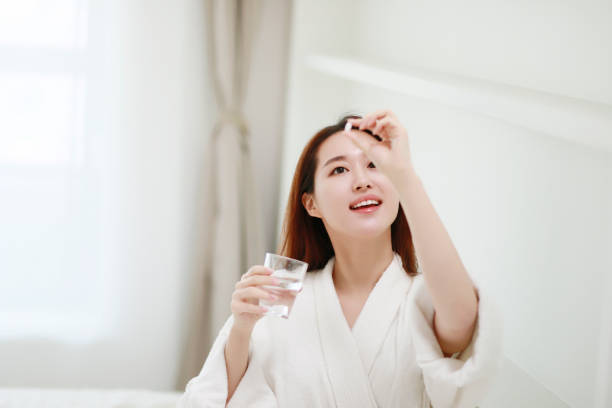
Your skin does a lot for you. It shields you from the world, repairs itself overnight, and never complains. Maybe it deserves a little backup that’s just as committed as you are. And the best part? You swallow it in thirty seconds with your morning water. No steps, no waiting for it to dry, no pilling under your makeup. Just a tiny red pill that whispers “I’ve got you” to every single one of your skin cells.